
Watering
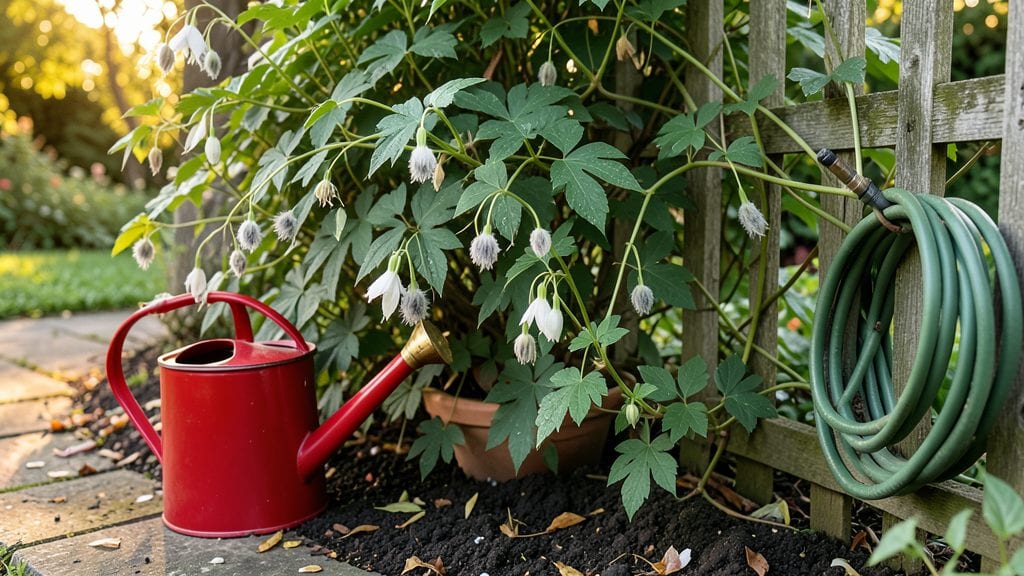
Watering clematis plants properly is the key to keeping those vibrant blooms coming back year after year—because even the hardiest climbers like this one 🌸 can’t thrive if their roots are confused.
Struggling to keep your clematis blooming? The secret isn’t just how much you water—but when and how you deliver moisture to satisfy this thirsty climber’s roots. Discover the soil moisture balance that transforms floppy vines into a garden showstopper.
Too little water and your clematis wilts; too much, and you risk root rot. The trick is keeping the soil consistently moist without drowning the roots—especially in Zone 6a, where spring rains can quickly turn to summer drought.
I’ll show you how to read your plant’s thirst signals and adjust for each season.
By the end, you’ll know exactly how often to water, the best times of day to do it, and how mulch can save you hours of hand-watering. Let’s turn those droopy stems into a lush, flowering masterpiece.
How often to water clematis for maximum blooms
Clematis vines thrive on consistent moisture, but their watering needs shift dramatically with the seasons and soil type. Unlike drought-tolerant succulents, clematis roots demand deep hydration to fuel those showstopping blooms—yet soggy soil can suffocate them.
The key? Watering deeply but infrequently, while reading your plant’s subtle thirst signals.
Most gardeners overwater clematis in spring and summer, thinking more moisture equals more flowers. But root rot from poor drainage is the #1 killer of these vines.
I’ve learned the hard way—my first clematis nearly died from weekly shallow watering that kept the topsoil damp but left roots gasping for air. Let’s fix that with a science-backed schedule tailored to your climate and soil.
🌱 Pro Tip: Clematis roots grow 12-18 inches deep. Water until moisture reaches 6-8 inches down—that’s how you trigger deep root growth for stronger stems and bigger blooms.
Let’s break down the seasonal shifts in detail. In spring, clematis wake up hungry after winter dormancy. Sandy soil drains too quickly, so check moisture daily—stick your finger 1 inch deep.
If it’s dry, water until 6 inches down. Clay soil holds moisture longer, so wait until the top 2 inches feel dry to the touch.
Summer is when clematis really drink. Heat and sunlight double their thirst. I water my sandy-soil clematis every 1-2 days in peak summer, using a soaker hose to avoid wetting leaves (which causes powdery mildew).
For clay soil, every 3-4 days is plenty—just monitor for yellowing leaves, a sign of overwatering.
Fall slows everything down. By September, I reduce watering to once a week for sandy soil and every 10 days for clay. The goal is to prep roots for winter without stress
Common watering mistakes that kill clematis flowers
Your clematis might look thirsty, but overwatering is just as deadly as underwatering. Too much moisture causes root rot and brown stems, while too little leads to leaf drop and sparse blooms.
The key is consistent moisture at the right depth—never letting the soil dry out completely or stay soggy. I’ve seen wilting vines recover in days when I adjusted my watering routine, so don’t give up if your plant looks stressed!
Most gardeners assume clematis need daily watering, but this vine actually thrives with deep, infrequent watering. Shallow puddles on the surface won’t reach the deep roots where moisture matters most.
Instead, aim for 1-2 inches of soil to stay damp—like wringing out a damp sponge. If you’re unsure, stick your finger 2-3 inches down; if it’s dry, it’s time to water.
⚠️
- Overwatering causes root rot and brown stems (fungus loves soggy soil)
- Underwatering leads to leaf drop and no blooms (stress = no energy for flowers)
- Night watering invites powdery mildew (leaves stay wet too long)
One of the biggest mistakes I see is watering at night. While it might seem logical to hydrate plants when it’s cooler, wet foliage overnight creates the perfect conditions for fungal diseases like powdery mildew.
Clematis leaves are large and thin, so they dry slowly—meaning morning watering gives them time to evaporate moisture before evening. If you must water in the evening, do it early (by 4 PM) and avoid wetting leaves.
Another silent killer is inconsistent watering. Clematis hate boom-and-bust cycles—one day soaked, the next bone-dry. This causes cellular stress, leading to drooping vines and premature bud drop. To fix this, set a weekly schedule (e.g., Monday/Wednesday/Friday in summer) and stick to it.
Use a soaker hose or drip irrigation to deliver water slowly and evenly, mimicking natural rainfall.
If your clematis has brown stems at the base, it’s likely root rot from overwatering. The fix? Stop watering immediately and improve drainage. Amend the soil with perlite or sand, and if the plant is in a pot, repot it into a well-draining mix.
For leaf drop from underwatering, give the roots a deep soak and mulch with 2-3 inches of organic matter (like shredded bark) to lock in moisture.
Remember, clematis are drought-tolerant once established, but they need consistent moisture during their first year to build strong roots. The goal is balanced soil: damp but never soggy, with even moisture from top to bottom.
With the right watering routine, your clematis will reward you with vibrant blooms all season long! 🌸