
Lawn
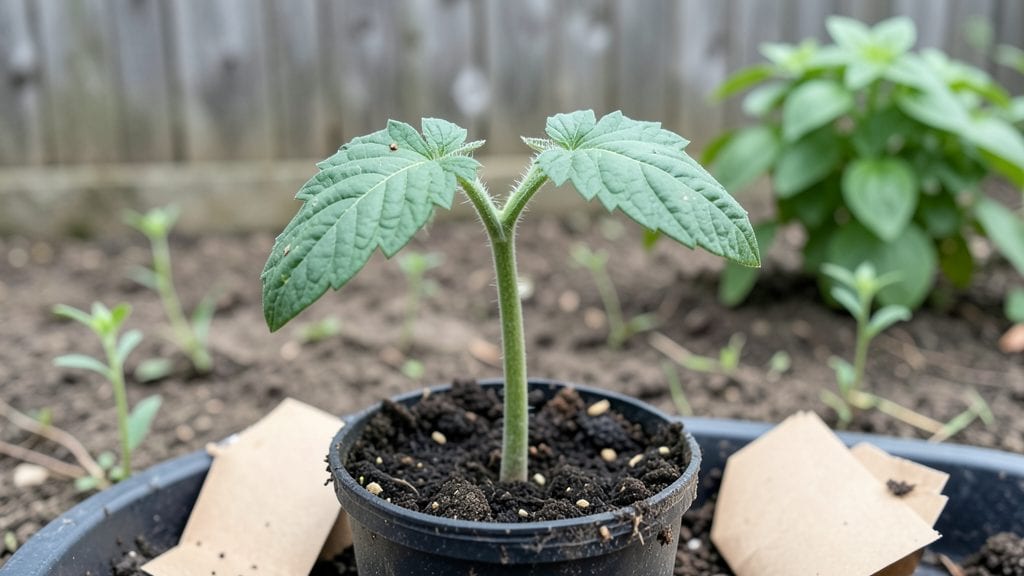
Weather for seed planting depends on frost-free dates, soil warmth, and moisture levels—cool-season crops like lettuce thrive at 40–50°F, while warm-season seeds (tomatoes, peppers) need soil above 60°F. Check local last-frost dates and monitor soil temperature with a thermometer before sowing.
Timing your seeds right means understanding how temperature and frost patterns interact with different plants. 🌱 Cool-season crops like spinach or kale actually prefer cooler weather, while warm-season favorites like peppers or cucumbers won't germinate until the soil warms up.
I've seen beginners rush planting too early, only to have their seeds rot in cold, wet soil—always wait for the right conditions to avoid wasted effort.
For a foolproof approach, I recommend checking your local USDA hardiness zone and using a simple soil thermometer (they're cheap and save you from guesswork). Most garden centers sell them, and they'll tell you exactly when your soil is ready for planting.
Pro tip: If you're in a cooler climate, you can sometimes extend your growing season by using row covers or cold frames to protect tender seedlings from late frosts.
💡 In This Article
- How Soil Temperature Affects Seed Germination
- Seasonal Seed Planting Calendar by Climate Zone
How soil temperature affects seed germination
Seed germination kicks off when water activates enzymes inside the seed, breaking down stored nutrients to fuel growth. But temperature acts as a critical regulator—cool-season crops like peas and spinach trigger germination at 40-50°F because their enzymes function optimally in chilly conditions.
Warm-season plants like beans and tomatoes, however, require 70-85°F soil to activate their heat-sensitive enzymes. The difference lies in their evolutionary adaptations to native climates.
Here's what happens when temperatures stray from ideal ranges: Below 40°F, enzymatic activity grinds to a halt, leaving seeds dormant. Above 90°F, seeds can overheat and fail to germinate. Even a 10°F drop can delay emergence by 3-5 days in warm-season crops.
In Northern climates (USDA zones 3-5), gardeners often wait until soil reaches 55°F before planting tomatoes, while Southern growers (zones 8-10) can start as early as 60°F.
The science gets even more fascinating when you consider regional variations. In the Pacific Northwest, where spring soils stay cool for weeks, gardeners plant warm-season crops in black plastic mulch to raise soil temperatures by 10-15°F. Meanwhile, in Florida's subtropical climate, seeds can germinate year-round if moisture is adequate.
A soil thermometer becomes your best friend—these $10 tools measure temperature at seed depth (typically 1-2 inches) and should read consistently for 3-5 days before planting.
What most people don't realize is that soil temperature varies dramatically by depth and material. Sandy soils warm up 2-3 weeks faster than clay soils, while compost-amended beds retain heat longer. This explains why raised beds often allow earlier planting—organic matter insulates against temperature swings.
For warm-season crops, I've found that planting in south-facing beds can add 5-7°F of warmth compared to north-facing areas.
Cold soil doesn't just slow germination—it creates perfect conditions for fungal diseases. When seeds rot in damp, cold soil, the problem isn't just wasted seeds but potential contamination of your garden. That's why I always check for consistent warmth before sowing warm-season crops, even if the air temperature feels spring-like.
A simple test: Press your hand into the soil—if it feels cold to your skin, it's likely too chilly for heat-loving plants.
The key takeaway is that soil temperature isn't just about warmth—it's about consistency. Warm-season seeds need stable temperatures above 60°F for 7-10 days to ensure reliable germination. Cool-season crops, meanwhile, can handle more temperature fluctuation as long as they don't freeze.
This is why succession planting works so well—you can stagger plantings to take advantage of different temperature windows throughout the growing season.