
Pests and Diseases
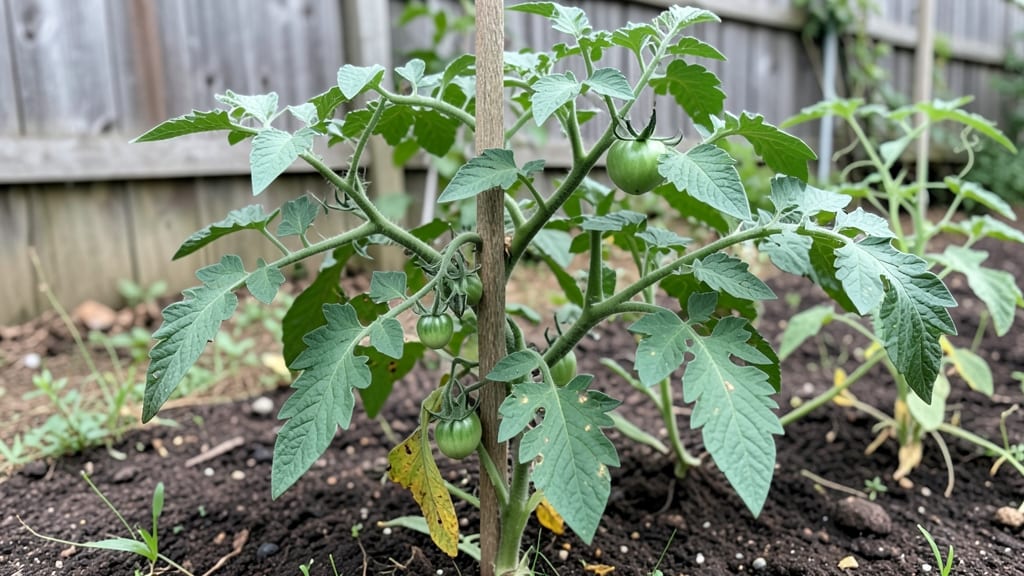
You can plant green beans and tomatoes together with careful spacing—tall tomato plants need 18-24 inches apart, while bush beans thrive 4-6 inches apart, with vining beans needing 6-8 inches. Use trellises for tomatoes to save space and avoid shading beans, which need full sunlight for optimal growth.
This pairing works because green beans fix nitrogen in the soil, benefiting tomato plants while requiring minimal competition for nutrients.
The key is vertical organization—tall tomato stalks on trellises keep leaves out of the beans' sunlight path. 🌱 I’ve seen gardens double their yield by combining these crops this way, but only when spacing is precise.
For example, a 4-foot row of tomatoes with beans planted in the gaps between them creates an efficient use of space without sacrificing either crop’s needs.
Container gardens also work well for this combo, using 5-gallon pots for tomatoes and 3-inch-deep pockets for beans. Just ensure the container has drainage and enough depth for roots to spread.
The real trick is monitoring growth—prune tomato suckers regularly to prevent overcrowding, and harvest beans frequently to encourage continuous production.
💡 In This Article
- How Companion Planting Works for Tomatoes and Green Beans
- Best Spacing and Trellis Techniques for High-Yield Gardens
How companion planting works for tomatoes and green beans
The magic behind this pairing lies in how these two plants interact at the soil level. Green beans are legumes, meaning they form a symbiotic relationship with nitrogen-fixing bacteria called Rhizobium in their root nodules.
These bacteria convert atmospheric nitrogen into a form the plants can use, enriching the soil naturally. Tomatoes, while heavy feeders, benefit from this extra nitrogen without competing aggressively for it—especially when their roots are directed vertically rather than sprawling.
Here's what's actually happening underground: Bean roots spread horizontally in the top 6-12 inches of soil, while tomato roots dive deeper, typically reaching 24-36 inches when supported by trellises. This vertical separation prevents root competition for nutrients and water.
The beans' shallow roots also create microchannels that improve soil aeration, helping tomato roots access oxygen more efficiently. 🌱 What most gardeners don't realize is that beans actually improve tomato flavor by reducing soil acidity through their nitrogen fixation process.
The sunlight dynamic is equally critical. Tomato plants can grow 4-6 feet tall when trellised, while bush beans max out at 2 feet. Without vertical support, tomato vines would cast long shadows over beans, reducing their photosynthesis by up to 40% during peak summer growth.
The solution? Use 6-foot tall trellises positioned north-south to keep tomato leaves elevated above the bean canopy. This spatial engineering lets both plants get their required 6-8 hours of direct sunlight daily without shading conflicts.
Pest management adds another layer to this partnership. Beans repel Mexican bean beetles and aphids that also target tomatoes, while tomatoes deter Colorado potato beetles that might attack beans. The combined foliage creates a more complex ecosystem that confuses pests naturally.
However, this only works if you maintain proper spacing—crowded plants become stressed and attract more pests. The ideal ratio is 1 tomato plant per 2 square feet with beans filling the gaps between them.
Consider the root zone chemistry: Tomatoes prefer slightly acidic soil (pH 6.0-6.8) while beans thrive in neutral to slightly alkaline conditions (pH 6.0-7.5). When planted together, beans help buffer soil pH through their nitrogen enrichment, creating a more stable growing environment.
This chemical synergy explains why many organic gardeners report 20-30% higher yields when growing these crops in proximity compared to isolated plantings.
For container gardeners, this science translates directly to pot selection. Use 15-gallon containers for tomatoes with 3-inch deep pockets for beans along the sides. The key is ensuring the tomato's deep root system isn't cramped while the beans get surface-level access to their nitrogen-fixing zone.
This vertical layering mimics the natural spacing found in ground plantings but in a compact form. 💫