
Planting
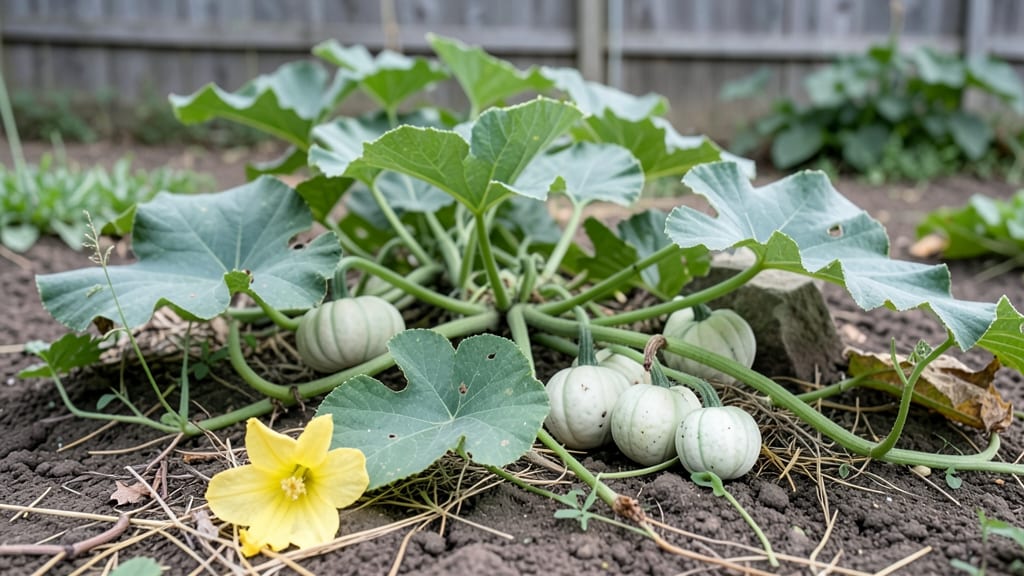
Growing white pumpkin plants transforms your garden into a striking canvas of ivory vines and golden gourds. ✨ I planted my first white pumpkin last summer, and the contrast against green leaves made it feel like a secret garden—until the neighbors started asking where I got those unusual vines.
The key to success? Starting with the right variety and giving those sprawling vines plenty of room to shine.
You’ll need a sunny spot with at least 6 hours of direct light daily, rich soil mixed with compost, and space for vines to stretch 10–15 feet—think trellis or open ground.
White pumpkins thrive in warm climates (zones 3–10) but need a long growing season (90–120 days). The secret weapon? A balanced fertilizer early on to fuel those bold vines without overfeeding.
By harvest time, you’ll have smooth, creamy-white fruits that weigh 10–20 pounds each—perfect for carving, baking, or gourmet dishes. The vines themselves become a living art piece, climbing and sprawling with dramatic flair. Just watch for squash vine borers and powdery mildew, which love the same conditions these beauties do.
Even small gardens can accommodate white pumpkins with vertical training, and the edible gold they produce makes every square foot worthwhile. Ready to grow something truly showstopping? Let’s get those seeds in the ground!
📚 In This Guide
- What you need
- Instructions
- Tips and common mistakes
- Wrapping up and next steps
What you need
- ● White pumpkin seeds – Choose heirloom varieties like ‘White Cushaw’ or ‘Casaba’ for sweet, pale flesh. Aim for 3–5 seeds per plant (or 10–15 seeds if planting multiple).
- ● Well-draining potting mix or garden soil – 10–20 lbs (for containers) or enrich your 6–12 sq ft garden bed with compost.
- ● Compost or organic fertilizer – 5–10 lbs (5-10-5 NPK ratio) to boost growth.
- ● Watering can or hose with a gentle spray nozzle – Pumpkins need 1–2 inches of water weekly.
- ○ Sturdy trellis or support structure (optional but recommended) – Vines can grow 10–20 ft long; use 6–8 ft tall cages or stakes.
- ● Gloves & knee pads – Protect your hands and joints during planting.
- ● Trowel or hand shovel – For digging holes 1–2 inches deep.
- ● Pruning shears – To trim vines and encourage fruit growth.
- ● Mulch (straw or grass clippings) – 2–3 inches thick to retain moisture.
- ● Sunny location (full sun, 6–8+ hours/day) – Non-negotiable!
- ● Patience (3–5 months to harvest) – White pumpkins take longer to mature than orange varieties.
- ● Row covers or shade cloth – Protect seedlings from pests or intense afternoon sun.
- ● Drip irrigation system – Automates watering for large gardens.
- ● Pest control (neem oil, companion plants like marigolds) – Deters squash bugs and beetles.
- ● Food-safe spray bottle – For misting seedlings if starting indoors.
Step-by-step instructions for growing white pumpkin plants
Here’s how to cultivate these striking vines with minimal fuss—just follow these simple steps.
🌱 Step 1: Choose the Perfect Planting Spot
White pumpkins need full sun—at least 8 hours daily—to produce those stunning fruits and sweet flesh. Pick a spot where they can sprawl freely, like a south-facing garden bed or along a sturdy trellis (if training vertically). I always avoid low-lying areas where cold air pools, as pumpkins are frost-sensitive.
Test your soil’s drainage by digging a 6-inch hole and filling it with water. If it drains in under 1 hour, your spot is ideal. If it pools, amend with 2 inches of compost or build a raised bed. White pumpkins thrive in well-draining, fertile soil with a pH between 6.0 and 6.8—test your soil if possible, or add a balanced fertilizer at planting time.
🪴 Step 2: Plant Seeds After Last Frost
Wait until after your last frost date and when soil temperatures reach at least 65°F—cold soil delays germination. Plant 4 seeds per hill, spacing hills 5-6 feet apart (they’ll spread!). Dig holes 1 inch deep and place seeds 2 inches apart in each hole. Cover lightly with soil, then water gently to settle everything without displacing seeds.
I like to use a seed-starting mix in biodegradable pots for a head start, then transplant seedlings after 2-3 weeks when they’ve developed 2-3 true leaves. If planting directly, expect germination in 7-10 days at 70-85°F soil temps. Thin to the strongest seedling per hill once sprouts are 3-4 inches tall—this prevents overcrowding and disease.
☀️ Step 3: Water and Feed for Maximum Growth
Keep soil consistently moist but not soggy—white pumpkins wilt fast in drought. Water deeply 1-2 times weekly, aiming for 1 inch of water per week. I use a soaker hose to avoid wetting leaves, which reduces fungal risks. Mulch around plants with 2-3 inches of straw to retain moisture and suppress weeds.
Feed plants every 3-4 weeks with a balanced 10-10-10 fertilizer (or compost tea) once vines start running. You’ll know they’re thriving when leaves are deep green and glossy and vines grow 2-3 feet weekly. Watch for yellowing leaves—this signals overwatering or nutrient deficiency. Adjust watering or add a potassium-rich fertilizer if needed.
✂️ Step 4: Prune and Protect for Healthy Fruits
Remove weak or diseased vines regularly to redirect energy to 1-2 main vines per plant. I also pinch off early flowers to encourage stronger vine growth before fruit sets. Once fruits appear, stop pruning—you want all energy focused on swelling those pumpkins.
Protect young plants from squash vine borers by wrapping the base of vines with aluminum foil (they hate the texture). Handpick pests like cucumber beetles early in the day when they’re sluggish. If birds peck at flowers, cover plants with lightweight row fabric during blooming season.
🏆 Step 5: Harvest at Peak Ripeness
White pumpkins are ready when their rinds turn creamy white and stems dry out (they’ll feel papery). The ideal harvest time is 90-100 days after planting, but some varieties take longer. Cut fruits from the vine with 2-3 inches of stem attached using clean pruners—this prevents rot.
Cure pumpkins in a dry, shady spot for 10 days at 80-85°F to harden the skin. Store in a cool, dark place (like a basement) where temps stay 50-55°F. They’ll keep for 2-3 months—perfect for carving or roasting!
Tips & tricks for perfect white pumpkin plant cultivation
These simple tricks will help you grow stunning white pumpkins that outshine the ordinary—no green thumbs required.
Sunlight Strategy: Those 8 hours of full sun are non-negotiable! If your garden gets partial shade, consider using reflective mulch or a white-painted board behind plants to bounce extra light onto the vines. I've seen white pumpkins grow beautifully in containers with south-facing windowsills—just rotate them daily for even exposure.
Soil Temperature Secret: The 65°F soil temperature threshold is crucial for germination. If your spring is unpredictable, use a soil thermometer to monitor temps. I've had success with black plastic mulch laid down 2-3 weeks before planting—it warms the soil faster and gives seeds a head start. Just remove it after transplanting to avoid overheating.
Pruning Precision: When you're pinching off those early flowers in Step 4, aim to remove them just as they start to open. This redirection of energy to vine growth makes all the difference in fruit size. I like to do this in the morning when plants are turgid and can handle the stress better. Think of it as giving your pumpkins a growth spurt before they start producing.
Harvest Timing Tip: The 90-100 day window can feel like forever, but patience pays off! For variety-specific guidance, check the seed packet—some white pumpkins like 'Lumina' mature faster than others. I mark my planting date on the calendar and set reminders for the estimated harvest window to avoid missing the perfect ripeness window.
Pro Tips for White Pumpkin Plant
- These simple tricks will help you grow stunning white pumpkins that outshine the ordinary—no green thumbs required.
- Sunlight Strategy: Those 8 hours of full sun are non-negotiable!
- Soil Temperature Secret: The 65°F soil temperature threshold is crucial for germination.
Frequently asked questions
Got questions about growing white pumpkin plants? You’re not alone—these striking vines spark curiosity! Here are answers to the most common queries to help you cultivate confidence (and delicious harvests) in your garden.
How long does it take for white pumpkin plants to produce fruit?
White pumpkins typically mature in 80–100 days from transplanting, depending on the variety. Smaller types (like ‘Casaba’) may fruit faster (60–80 days), while larger heirlooms could take closer to 120 days. Start seeds indoors 4–6 weeks before your last frost date for a head start!
Can white pumpkin plants grow in containers?
Choose large containers (at least 5 gallons) with drainage holes and fill them with well-draining potting mix. Opt for bushier varieties like ‘Jack Be Little’ to save space. Place containers in full sun (6+ hours/day) and water consistently—container-grown pumpkins dry out faster.
What pests or diseases should I watch for with white pumpkin plants?
Common threats include:
- Squash bugs: Crush eggs (tiny black dots) or use row covers early.
- Powdery mildew: Improve airflow, avoid overhead watering, and spray with neem oil if needed.
- Cucumber beetles: Handpick or use floating row covers to protect young plants.
- Blossom end rot: Ensure consistent moisture and add calcium (like crushed eggshells) to the soil.
Are white pumpkins as nutritious as orange pumpkins?
Yes! White pumpkins (like ‘Cushaw’ or ‘Banana’) are packed with vitamin A, fiber, and potassium, just like their orange cousins. They’re often sweeter and creamier when cooked, making them a fantastic alternative for pies, soups, and roasting. Plus, their lower sugar content can be a plus for some diets.
Can white pumpkin plants survive frost?
No—white pumpkin plants are tender annuals and cannot tolerate frost. Start seeds after soil reaches 60°F (15°C) and use black plastic mulch to warm the soil. If frost threatens while fruits are ripening, cover plants with frost cloth at night. Harvest before the first frost to enjoy your pumpkins!
What can I do with extra white pumpkin seeds?
Don’t toss those seeds! Roast them for a crunchy, nutty snack (toss in oil and bake at 300°F/150°C for 20–30 mins). You can also plant them next year—just dry them thoroughly first. For a fun project, paint them with non-toxic dyes and use as decorations!
Wrapping up and next steps
Growing white pumpkin plants is a rewarding journey that brings bold vines, stunning blooms, and delicious harvests to your garden. Whether you're drawn to their unique aesthetics or eager to savor their sweet, nutritious fruit, these plants offer both beauty and bounty.
With the right care and a little patience, you’ll soon be enjoying the fruits of your labor—literally!
Ready to take the next step? Start small—plant a few seeds or seedlings this season and watch your garden transform. Share your progress with fellow gardeners, or experiment with recipes using your homegrown white pumpkins. Happy planting! 🌱✨