
Light Requirements
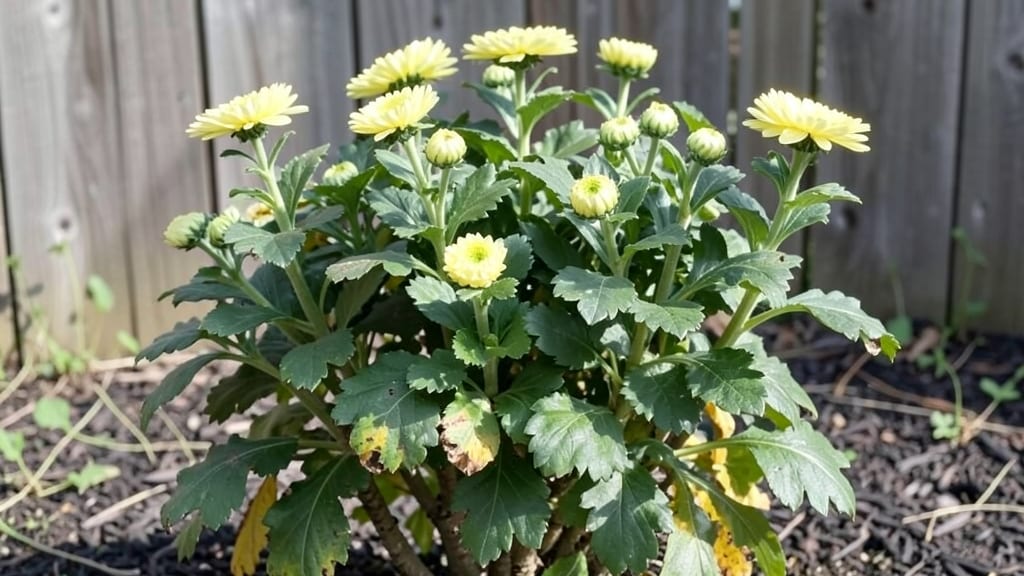
Are mums full sun plants that thrive in bright light, but too much—or too little—can dull their showstopping blooms.
Picture this: you’ve spent weeks planting your fall garden’s star, only to watch the blooms shrink or the leaves scorch. That’s the power of sunlight—or the lack of it—on chrysanthemums.
Too much? They’ll wilt. Too little? They’ll stretch and struggle. Getting it right means the difference between a vibrant display and a sad, sparse display.
Here’s the good news: with the right balance of sun, soil, and care, your mums can thrive in USDA Zone 6a and beyond. Whether you’re planting in spring or adjusting summer shade, we’ll break down exactly how much light these classic flowers need—and how to keep them blooming all season.
Ready to unlock the secret to bigger, brighter blooms? Let’s dive into the light requirements that’ll make your garden the talk of the neighborhood.

How much sun do mums need for optimal growth and blooms?
Mums (chrysanthemums) are classic fall favorites, but their sunlight needs often confuse gardeners. While they thrive in full sun, many varieties tolerate partial shade, especially in hot climates. The key lies in balancing light exposure with your local climate zone to maximize those showstopping blooms.
Too little sun leads to sparse flowers, while too much can scorch leaves—let’s find that perfect middle ground.
In most regions, full sun (6+ hours daily) produces the largest, most vibrant blooms, but afternoon shade prevents leaf burn in intense heat. For example, USDA Zone 7-9 gardeners should aim for morning sun + afternoon shade, while cooler zones (3-6) can handle full sun all day.
Understanding these nuances ensures your mums flourish from late summer to frost.
Sunlight directly impacts bloom size, color intensity, and even plant height. Full-sun mums develop larger flowers with deeper colors, while shade-tolerant varieties (like 'Bonanza' or 'Dazzler') produce smaller but longer-lasting blooms.
If you notice pale petals or leggy stems, your plants may need more light—or less, if they’re wilting.
Regional adjustments are critical. In hot, dry climates (e.g., Zone 10+), partial shade protects mums from heat stress, while northern gardens benefit from extended sunlight to compensate for shorter days. Even a 5-hour difference in sun exposure can alter bloom quality—so pay attention to your microclimate.
Now, let’s break down the sunlight requirements for mums with this quick-reference table:
| Variety Type | Sunlight Needs | Bloom Impact | Best For |
|---|---|---|---|
| Standard Mums | 6+ hours full sun | Large, bold blooms | Cool/moderate climates |
| Dwarf Mums | 4-6 hours sun | Compact, long-lasting flowers | Containers, partial shade |
| Heat-Tolerant Mums | Morning sun, afternoon shade | Vibrant colors, fewer scorch marks | Hot climates (Zones 8-11) |
| Shade-Tolerant Mums | 3-4 hours filtered light | Smaller but longer blooms | Woodland gardens, north-facing spots |
The color of your mums also hints at their sunlight needs. Deep reds, purples, and oranges often thrive in full sun, while pastel pinks and whites may prefer partial shade.
For example, 'Cavendish' mums (a classic full-sun variety) produce giant, 4-inch blooms when given 6+ hours of direct light, but struggle in deep shade.
If you’re growing mums in containers or raised beds, sunlight requirements change slightly. Pots dry out faster, so full-sun varieties may need more frequent watering to prevent stress.
Place containers in south-facing spots for maximum light, but move them to partial shade by mid-afternoon in Zone 9+ to avoid wilting.
One common mistake is assuming all mums are full-sun plants. While most varieties love sun, some hybrids (like 'Medallion' or 'Bright Lights') perform better with 3-4 hours of morning sun.
Always check the plant tag or breeder notes—it’s your best guide! For instance, 'Penny' mums are shade-tolerant and ideal for woodland gardens.
To test your garden’s sunlight, use a sunlight tracker for a week. Place a white piece of paper where you plan to plant—if it’s dry by noon, that spot gets full sun.
If it stays damp, it’s shady. Adjust your mum placement based on these findings, and don’t forget to rotate pots every few days for even growth.
Finally, remember that seasonal changes affect sunlight needs. In early fall, days shorten, so extend light exposure by trimming nearby trees or relocating containers. By late September, mums need less sun to prepare for dormancy—this is when
Signs your mums aren’t getting enough (or too much) sunlight
Your chrysanthemums (mums) might be silently screaming for help if their sunlight exposure is off. Too little light leads to leggy stems and weak blooms, while too much can scorch leaves. As someone who’s nursed countless mums back to health, I’ve learned to read their signals like a gardening detective.
The key is understanding how light stress manifests and how to adjust care before it’s too late.
Start by checking your mums’ leaf color and stem structure. Healthy mums should have deep green leaves and sturdy stems. If you’re seeing pale, yellowing leaves or stems stretching toward the light like a sunbathing cat, your plants are begging for more direct sunlight.
Conversely, crispy, brown edges or wilted leaves mean they’re getting too much intense sun. These visual cues are your first clues to diagnosing the problem.
⚠️ Are Mums Full Sun Plants?
Yes, but with flexibility! Mums thrive in full sun (6+ hours daily), but some varieties tolerate partial shade (3-6 hours), especially in hot climates. Southern regions may need afternoon shade, while cooler zones can handle all-day sun. Always check your specific variety—some dwarf mums prefer shade, while standard types crave sun.
One of the most common red flags is sparse or small blooms. When mums don’t get enough light, they’ll produce fewer flowers, and the ones they do make will be pale and lackluster.
I’ve seen gardeners assume their mums were just "off-season" when the real issue was poor lighting. If your blooms are underwhelming, move your plants to a sunnier spot immediately. Even just an extra 2-3 hours of light can make a dramatic difference in bloom quality.
For overwatered or heat-stressed mums, watch for leaf burn—those crispy, brown patches on leaf edges. This usually happens when mums get too much midday sun without enough water.
If you’re in a hot, dry climate, provide afternoon shade with a lightweight shade cloth or plant them where they’ll get morning sun and afternoon relief. Mulching around the base also helps retain moisture and protect roots from extreme heat.
Don’t overlook the soil temperature—cool soil can trick mums into thinking they’re not getting enough light. If your garden soil stays chilly (common in northern climates), your mums might stretch toward the sun to compensate.
In these cases, use black plastic mulch or dark containers to warm the soil and encourage stronger growth. Pair this with a balanced fertilizer (like 10-10-10) to give them the energy they need to thrive.
To fix light issues, start with a diagnostic checklist: Check leaf color, stem strength, bloom quality, and soil moisture. If your mums are in containers, rotate them weekly so all sides get even light.
For in-ground plants, consider relocating them closer to a south-facing wall or under a partial shade tree that filters harsh afternoon rays. Remember, mums are adaptable—with the right adjustments, they’ll bounce back and reward you with bold, vibrant blooms all season.