
Companion Plants
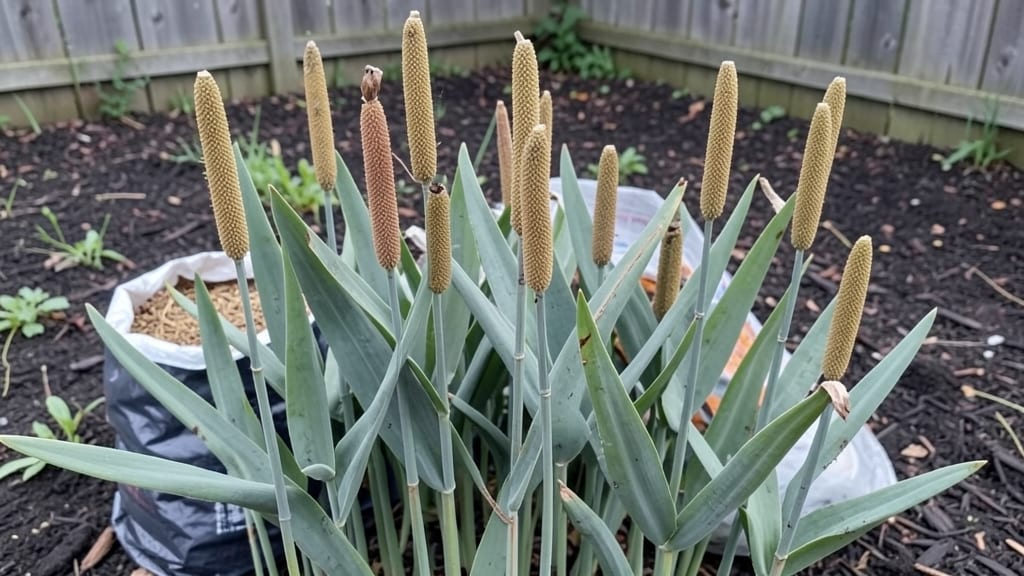
Artificial cattail plants turn any water feature into a lush, naturalistic centerpiece without the mess. 🌿 I’ve used them to instantly elevate my backyard pond from "basic" to "wow" with just a few strategic placements—no maintenance, no dying back, and zero mosquito headaches.
The best part? They blend seamlessly with real plants while adding height and texture that real cattails can’t always match.
These faux reeds work in shallow water, along pond edges, or even in containers for patio water gardens. You’ll find them in bundles or individual stems, so you can customize the look—tall and dramatic for a statement piece, or clustered for a wild, overgrown aesthetic.
They’re also perfect for seasonal swaps, letting you refresh your design without digging up roots or dealing with winter dieback.
The payoff is instant: a serene, natural-looking water feature that stays vibrant all year. No wilting, no brown patches, and no need to replant. Just pop them in, adjust the arrangement, and enjoy the tranquility of a thriving wetland vibe without the upkeep.
Here’s how to make them look effortlessly natural in any setup.
Whether you’re filling out a new pond or sprucing up an existing one, artificial cattails are the secret weapon for low-effort, high-impact design. They pair beautifully with water lilies, rocks, and even floating plants—let’s talk placement tricks to maximize their impact.
📚 In This Guide
- What you need
- Instructions
- Tips and common mistakes
- Wrapping up and next steps
What you need
- ● Artificial cattail plants: 5–20 stems (depending on desired density; opt for realistic or bold-colored versions for a modern twist).
- ● Pond liner or waterproof base: A 12–24-inch deep liner (PVC or EPDM) if planting in a pond or container.
- ● Gravel or pebbles: 1–2 bags of smooth, medium-sized stones (for drainage and weight).
- ● Water-resistant glue or silicone: For securing stems to rocks or bases (e.g., aquarium-safe silicone).
- ○ Decorative rocks or driftwood: Optional but highly recommended for a natural aesthetic (1–3 large pieces).
- ● Scissors or pruning shears: For trimming stems to desired height (aim for 2–4 feet).
- ● Measuring tape: To ensure even spacing (aim for 6–12 inches apart for a lush look).
- ● Garden gloves: For handling gravel and plants comfortably.
- ○ Waterproof paint (optional): For customizing stems (e.g., metallic or pastel hues).
- ○ Floating pond plants (optional): Like water lilies, to enhance the wetland vibe.
How to style artificial cattails for a stunning water garden
Here's the straightforward way to create a natural-looking wetland vibe without the upkeep.
🪴 Step 1: Choose Your Artificial Cattail Bundles
Select realistic artificial cattail bundles with varying heights—aim for 3-5 different sizes to create depth. I like bundles with 3-5 stems per cluster because they mimic natural growth patterns better than single-stem options. Look for bundles with brown seed heads and green foliage that's slightly tapered at the tips for that authentic look.
Check the bundle density—thicker bases (about 2-3 inches wide) anchor better in water gardens. Avoid anything too stiff; you want flexible stems that sway naturally with water movement. For a 4-foot pond, I use 4 bundles of varying sizes to fill the space organically.
☀️ Step 2: Position for Natural Balance
Place your tallest cattails near the center of the water feature, then fan out shorter bundles toward the edges. This creates a natural focal point while maintaining visual balance. I like to group bundles in odd-numbered clusters (3 or 5) for a more organic feel—it looks less staged than even groupings.
For a shallow water garden, bury half the stem in the substrate (gravel or sand) to stabilize them. In deeper water, use water garden weights (the 2-ounce sandbags you'll need) tied to the base of each bundle. This prevents them from floating or tipping over when touched.
💧 Step 3: Secure and Anchor Properly
Tie each bundle's base with fishing line (the 50 feet you have) to the weights. I make a simple loop around the bundle and weight, then trim any excess line to keep it tidy. For bundles in marginal plant shelves, press the base firmly into the substrate and add a few small rocks for extra hold.
Here's the thing—don't over-tighten the line. You want enough tension to keep them upright, but stems should still sway slightly with water movement. If a bundle feels too stiff, loosen the knot just a touch. This mimics how real cattails move in natural wetlands.
✂️ Step 4: Trim and Shape for Realism
Use sharp scissors (the 1 pair you have) to trim any stems that look uneven or too long. Cut at a 45-degree angle just above a leaf node to encourage a natural break point. I like to leave 1-2 inches of bare stem below the foliage—this mimics how cattails grow from the water's edge.
For extra realism, gently bend the taller stems toward the center of the pond. This creates a soft, cascading effect that looks intentional. Avoid cutting more than 10-15% of the foliage—you want to maintain the full, lush appearance that makes artificial cattails so appealing.
🌿 Step 5: Maintain for Long-Lasting Beauty
Rinse your cattails monthly with a garden hose to remove dust and algae buildup. Focus on the foliage and seed heads, where debris collects fastest. I do this in early morning sunlight so any moisture dries quickly—prevents mold growth on the artificial fibers.
If stems start to look tired after 1-2 years, replace the bundles. Artificial cattails don't degrade like real ones, but UV exposure can fade colors over time. Store unused bundles in a shaded, dry place when not in use to preserve their appearance for seasons to come.
Tips & tricks for perfect artificial cattail styling
Creating a natural wetland look with artificial cattails takes just a few simple tricks that make all the difference.
Bundle Selection Matters: When choosing your 3-5 different sized bundles for that 4-foot pond, pay special attention to the foliage texture. I always look for bundles with slightly tapered green leaves that mimic natural cattails. The thicker 2-3 inch bases provide better stability, but don't sacrifice flexibility—stems should bend naturally with water movement. Pro tip: Hold bundles up to natural cattail photos for comparison before purchasing.
Positioning for Natural Balance: In Step 2, when placing your tallest cattails near the center, remember this visual trick: imagine your pond as a clock face. Place your tallest bundles at 12 o'clock and 6 o'clock positions, then fill in the remaining spaces with shorter bundles. This creates that organic, asymmetrical look that feels intentional rather than staged. For extra drama, leave some empty spaces—nature isn't perfectly uniform!
Anchoring Secrets: The 50 feet of fishing line you have is perfect for securing bundles, but here's what nobody tells you—use a simple slip knot instead of a fixed loop. This allows you to adjust tension later if water levels change or if you want more natural sway. For bundles in marginal shelves, press the base firmly into substrate but leave about 1 inch exposed above the surface to mimic how real cattails emerge from shallow water.
Maintenance Made Easy: That monthly rinsing in Step 5 works wonders, but here's my extra tip: use a soft-bristle brush to gently scrub seed heads and foliage before rinsing. This removes stubborn debris that hose water alone can't dislodge. Store unused bundles vertically in a cardboard box with tissue paper between each bundle to prevent crushing and maintain their shape for next season.
Pro Tips for Artificial Cattail Plants
- Creating a natural wetland look with artificial cattails takes just a few simple tricks that make all the difference.
- Bundle Selection Matters: When choosing your 3-5 different sized bundles for that 4-foot pond, pay special attention to the foliage texture.
- Positioning for Natural Balance: In Step 2, when placing your tallest cattails near the center, remember this visual trick: imagine your pond as a clock face.
Frequently asked questions
Got questions about adding artificial cattail plants to your water garden? You’re not alone! Here are some of the most common queries—and their answers—to help you make the best choice for your space.
What are the benefits of using artificial cattails instead of real ones?
Artificial cattails offer low-maintenance beauty without the hassle of upkeep. They don’t die, spread invasively, or require replanting—just pop them in and enjoy year-round color. Plus, they’re eco-friendly since they don’t need fertilizers or pesticides, and they won’t disrupt local wildlife balance like some real plants can.
How do I determine the right size for my pond or water feature?
Measure your pond’s surface area first! For small fountains or bog gardens, 12–18-inch cattails work perfectly. Larger ponds (50+ sq. ft.) can handle 36–48-inch varieties for a dramatic look. Pro tip: Place them in odd-numbered clusters (3, 5, or 7) for a natural, balanced appearance.
Will artificial cattails attract pests like real ones?
Nope! Unlike real cattails, which can harbor mosquitoes or rodents, artificial versions are pest-proof. They’re made from durable, weather-resistant materials like polypropylene or PVC, so you won’t deal with critters or decay. Just give them a quick rinse now and then to keep them looking fresh.
Are there affordable alternatives to high-end artificial cattails?
Look for budget-friendly sets from garden centers or online retailers (often under $20 for a 3-pack). DIY options include repurposing realistic-looking plastic reeds or even handmade versions with foam and paint. Just ensure they’re UV-resistant to avoid fading.
How do I clean or repair damaged artificial cattails?
Most artificial cattails are easy to clean—just hose them down with water and mild soap. For stubborn dirt, use a soft brush. If stems snap, check for weak spots and reinforce with waterproof glue or replace the section. Storage tip: Drain and air-dry them in a shaded area during winter if your climate gets harsh.
Wrapping up and next steps
Artificial cattail plants bring effortless elegance to ponds and water gardens—no maintenance, no mess, just year-round beauty! 🌿 Whether you’re enhancing privacy, improving aesthetics, or creating a low-maintenance wetland vibe, these plants deliver real results with zero hassle.
Ready to transform your space? Start small with a single unit, experiment with placement, and watch your water feature shine!
💡 Next Steps:
- Measure your pond or garden area to determine the ideal quantity.
- Choose your preferred style (realistic, textured, or decorative).
- Install with confidence—your serene oasis is just a few steps away! ✨