
Planting
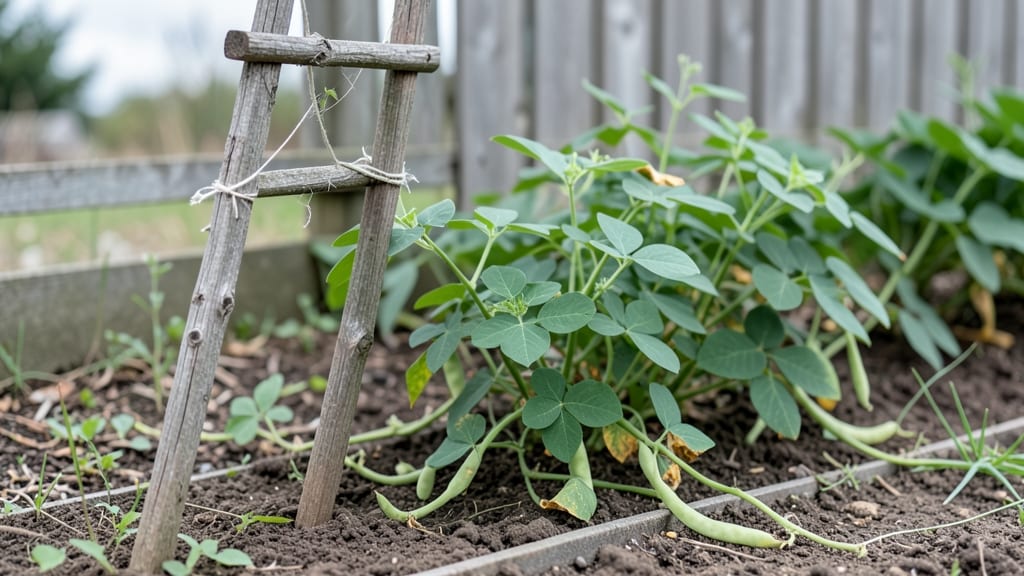
My bean plants nearly collapsed last summer until I learned these sturdy trellis tricks—now they climb like jungle vines instead of sprawling everywhere. 🌱 The right support transforms floppy stems into bushy, productive plants that yield more beans with less space.
I’ll show you exactly how to choose and set up supports that last through the entire growing season, without bending or breaking.
You don’t need fancy materials: bamboo stakes, chicken wire, or even repurposed fencing can work, depending on your bean variety. Pole beans need tall, strong supports like 6-foot trellises, while bush beans barely need anything at all—just a few inches of clearance.
The key is matching the support to your plants’ growth habits, and I’ll walk you through the simplest setups that actually hold up in wind or rain.
With the right training, your beans will grow 30-50% taller and produce double the pods compared to unsupported plants. Plus, harvesting becomes a breeze when everything’s off the ground.
We’ll cover when to install supports, how to gently guide vines, and what to watch for to keep them thriving all season.
Works for backyard gardens, containers, or even small urban spaces—no matter where you grow, these tricks will keep your beans climbing strong. Let’s get started with the easiest, most reliable methods that actually work.
📚 In This Guide
- What you need
- Instructions
- Tips and common mistakes
- Wrapping up and next steps
What you need
- ● Trellis Structure: Bamboo stakes (3–5 ft tall, 3–5 per plant)
- ● PVC pipes (½–¾ inch diameter, cut to 4–6 ft lengths)
- ● Wooden dowels or lattice panels (4–6 ft long, ½-inch thick)
- ○ Metal or wooden T-posts (1–2 per trellis, optional for stability)
- ● Fasteners & Connectors: Jute twine or soft plant ties (5–10 ft per trellis)
- ● Zip ties (5–10 per trellis, for PVC or metal structures)
- ● Staple gun + staples (for lattice or mesh)
- ● Extras for Stability: Stakes or mallets (to secure trellis in soil)
- ● Heavy-duty garden twine (for tying plants to support)
- ● Galvanized wire mesh (for DIY trellis frames)
- ● Decorative lattice panels (for a polished garden look)
- ● Adjustable plant clips (gentler on stems than twine)
- ● Waterproof sealant (for wooden structures)
Step-by-Step instructions for building bean plant supports
Here's how to create sturdy, low-cost supports that transform floppy bean vines into lush, productive plants.
🪴 Step 1: Choose and Prepare Your Trellis Materials
For four plants, I recommend using 4 bamboo stakes (each 5 feet tall) and 10 feet of twine. Bamboo is lightweight but strong enough to handle pole beans, and the stakes won't rot quickly like wooden ones. If you prefer a more permanent look, substitute the bamboo with 4 metal T-posts (driven 1 foot deep) and 10 feet of soft garden twine. Avoid wire—it can cut into tender vines as they grow.
Cut the twine into 4 pieces, each 2.5 feet long. This gives you enough length to create a crisscross pattern between stakes without leaving excess dangling. Test the twine's strength by pulling gently—it should stretch slightly but not snap. If it feels too stiff, swap for a softer variety designed for plant supports.
🌱 Step 2: Install the Trellis Framework
Place your first bamboo stake 6 inches away from the base of each bean plant, pressing it 4 inches deep into the soil. Tap it firmly with a mallet or your foot until it stands upright without wobbling. Repeat for all four plants. For T-posts, drive them 1 foot deep using a mallet—this ensures stability even in windy conditions.
Once all stakes are in place, tie the twine between them in a diamond pattern. Start at the top of the first stake, loop the twine around it, then cross diagonally to the second stake, looping again before continuing to the third and fourth. Space the loops 12 inches apart vertically. This creates a sturdy lattice that gives vines something to grip as they climb. If your twine is too short, overlap the ends by 4 inches and tie a secure knot.
✂️ Step 3: Train the Bean Vines to Climb
As soon as your bean plants develop 3-4 sets of true leaves (about 2-3 weeks after germination), gently guide the main stem toward the trellis. Don't force it—let the vine find the twine naturally. Once it touches, tie it loosely with a small piece of twine or even a paper clip (yes, really) to encourage upward growth. I like to use soft plant ties for this because they won't damage the stem as the vine thickens.
Watch for side shoots forming at the leaf nodes. These will produce pods, but if they're growing toward the ground, gently weave them upward through the trellis gaps. You'll see the vines thicken and strengthen over 2-3 weeks—this is your cue that the support is working. If any vines slip, retie them every 5-7 days until they're firmly established on the trellis.
💧 Step 4: Maintain Support Through the Growing Season
Check your trellis weekly for signs of stress. If the twine starts to sag under the weight of heavy pods, add a second layer of twine between the existing loops. This distributes the load more evenly. You'll notice the vines grow more upright and produce longer, straighter pods when properly supported—no more tangled messes at the base.
Water at the base of the plant, not the trellis, to prevent rot where the stakes meet the soil. If you're growing in hot, dry conditions, mulch around the base with 2 inches of straw to retain moisture. Avoid overhead watering after the vines reach the trellis—wet leaves can lead to fungal issues like rust, which weakens the plant's ability to climb.
☀️ Step 5: Harvest and Clean Up for Next Season
When pods turn dry and papery (about 8-10 weeks after planting), harvest by gently twisting them off the vine. Leave the trellis in place until you're ready to replant—it'll save you time next season. If you notice any yellowing leaves or stunted growth, it's a sign the trellis wasn't sturdy enough, and you may need to upgrade to heavier-duty stakes for next year's beans.
After harvest, remove any remaining plant debris but leave the trellis intact. Store the twine in a dry place for reuse, and clean the bamboo or metal stakes with a 10% bleach solution (1 part bleach to 9 parts water) to prevent disease carryover. With proper care, your trellis will last 3-5 seasons, making it a worthwhile investment for bushy, productive bean plants.
Tips & tricks for perfect bean plant support
Here's what I've learned from years of growing beans—these tricks turn floppy vines into thriving plants that produce like crazy.
Material Selection: Bamboo stakes are my go-to because they're lightweight but sturdy enough for pole beans. If you're growing in windy areas, metal T-posts are worth the extra investment—they won't lean or break like bamboo. I've seen bamboo stakes snap in strong winds, so if you're in a breezy location, don't skip the metal option.
Twine Strength Test: Before building your trellis, give your twine a good tug—it should stretch slightly but not snap. I've used twine that looked fine but broke under the weight of heavy pods. If yours feels stiff, swap for softer garden twine designed specifically for plant supports. This small test saves headaches later!
Tying Technique: When creating the diamond pattern in Step 2, make sure your knots are secure but not too tight. I learned this the hard way—too-tight knots can damage the vines as they grow. Use a simple square knot and leave just enough slack to allow the vine to thicken naturally over those 2-3 weeks.
Maintenance Hack: That weekly check in Step 4 is crucial—if you see twine sagging, add a second layer immediately. I've watched beans go from lush to leggy when supports weren't reinforced in time. The extra 10 minutes of maintenance now means straighter pods and easier harvesting later.
Pro Tips for Bean Plant Support
- Here's what I've learned from years of growing beans—these tricks turn floppy vines into thriving plants that produce like crazy.
- Material Selection: Bamboo stakes are my go-to because they're lightweight but sturdy enough for pole beans.
- Twine Strength Test: Before building your trellis, give your twine a good tug—it should stretch slightly but not snap.
Frequently asked questions
Got questions about keeping your bean plants happy and upright? You’re not alone! Here are some of the most common concerns—and straightforward answers—to help you grow a thriving, supported bean patch.
What’s the best material for a bean plant support?
For lightweight, easy-to-assemble options, bamboo stakes, garden twine, or wire mesh trellises work great. If you prefer durability, wooden or metal cages last longer but require more upfront effort. Choose based on your garden size and bean variety (pole beans need taller supports than bush beans!)
When should I install supports for bean plants?
Set up supports as soon as you plant seeds or seedlings—even before vines appear. For pole beans, insert stakes 6–8 inches deep to prevent toppling. Bush beans? Skip the trellis and focus on mulching to retain moisture instead. Early prep = fewer headaches later!
Can I reuse last year’s bean supports?
Clean and disinfect wooden or metal supports with a 10% bleach solution to kill pests/diseases. Avoid reusing twine or string if it’s frayed or moldy—opt for fresh materials to prevent vine damage. Pro tip: Store supports in a dry place to extend their lifespan!
What if my bean plants are already flopping over?
Don’t panic! Gently weave vines through a pre-installed trellis or tie them loosely to stakes with soft fabric strips (avoid wire—it can cut stems). For bush beans, stake individual plants with small stakes or use a cage-like structure for extra support. Act fast, but handle vines gently to avoid snapping them.
Are there eco-friendly alternatives to plastic trellises?
Yes! Try bamboo stakes, willow branches, or repurposed chicken wire (cut into sections). For a zero-waste approach, plant sunflowers or corn nearby—their stalks can double as natural trellises! Just ensure supports are sturdy enough to handle bean growth (up to 10+ feet for pole varieties).
Why are my bean leaves yellowing even with supports?
Yellow leaves often signal overwatering, nutrient deficiency, or pests—not just support issues. Check soil moisture (beans hate soggy roots!) and fertilize with compost or a balanced 10-10-10 mix if leaves are pale. For pests, spray neem oil or introduce ladybugs. If stems are weak, add a second support to distribute weight.
Wrapping up and next steps
Growing thriving bean plants starts with the right support system—whether it’s a simple trellis, sturdy cage, or DIY frame. With the right materials and techniques, you’ll enjoy bushy, productive vines and fewer pests or tangled messes. 🌱
Now that you’re armed with tips and tricks, it’s time to roll up your sleeves! Start small—try a single trellis for a few plants, then expand as you gain confidence. Happy gardening, and may your beans grow taller, healthier, and more abundant than ever!