
Companion Plants
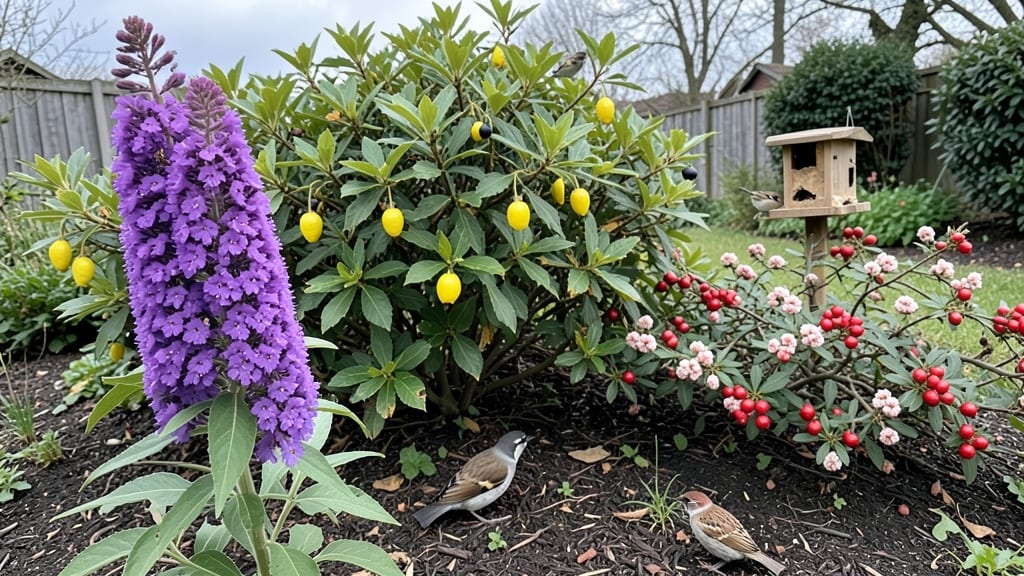
Creating a garden where birds and plants thrive together is one of the most rewarding choices you’ll make. 🌿 The right plant pairings turn your yard into a bustling ecosystem, where hummingbirds dart between blooms and cardinals perch among berry-laden shrubs.
My own backyard went from quiet to lively after swapping out non-native plants for native species that feed birds year-round.
The secret isn’t complicated—just focus on three things: food sources (berries, seeds, and insects), shelter (dense shrubs and trees), and water (birdbaths or shallow dishes). Native plants like serviceberry, elderberry, and coneflowers provide all three while keeping maintenance low.
Even small spaces can work with the right choices, like a windowsill herb garden paired with a suet feeder.
What you’ll get is a garden that hums with activity—songbirds flitting through flowers, chickadees darting for seeds, and maybe even a family of robins raising chicks in your shrubs. The air fills with chirps instead of silence, and your plants stay healthier because birds control pests naturally.
Plus, your neighbors will ask how you made your yard so alive.
This works year-round, from spring migrants stopping to nest to winter birds foraging for berries. Start with just one bird-friendly plant this season, and watch how quickly your garden transforms into a sanctuary. The best part? You’re not just gardening—you’re creating a tiny wildlife refuge right in your own yard.
📚 In This Guide
- What you need
- Instructions
- Tips and common mistakes
- Wrapping up and next steps
What you need
- ● Native flowering plants (3-5 varieties) – Choose a mix of annuals, perennials, and shrubs (e.g., coneflowers, milkweed, sunflowers, or serviceberry bushes). Aim for at least 10-15 plants to ensure continuous blooms.
- ○ Bird-friendly seeds or feeders (optional but recommended) – If supplementing, pick black oil sunflower seeds, nyjer seeds, or mixed birdseed (1-2 lbs to start).
- ● Potting soil (2-3 bags, 18-24" cubic feet) – Use a high-quality, well-draining mix (e.g., Miracle-Gro or FoxFarm Ocean Forest).
- ● Gardening tools: Trowel (1)
- ● Pruners (1 pair, sharp and sterilized)
- ● Garden gloves (1 pair, breathable)
- ● Watering can or hose with a gentle spray nozzle
- ● Mulch (1-2 bags, shredded hardwood or pine) – Helps retain moisture and suppress weeds.
- ● Water source – A shallow birdbath (3-4" depth) or drip irrigation system.
- ● Pollinator houses – For solitary bees (e.g., bumblebee boxes).
- ● Plant supports – Stakes or cages for taller plants like sunflowers or hollyhocks.
- ● Organic fertilizer – Slow-release granules (e.g., Osmoote or fish emulsion) to boost plant health.
- ● Wildlife cameras (1-2) – For monitoring bird and pollinator activity (fun and educational!).
- ● Native plant guides or apps – Like iNaturalist or Audubon’s Bird Guide to identify local species.
How to create a pollinator-friendly garden that birds will love
This isn't just about pretty blooms—it's about building a thriving ecosystem where birds and plants support each other.
🌱 Step 1: Choose Native Plants That Attract Both Birds and Pollinators
Start with native plants—they're the secret weapon for attracting birds and pollinators. Native species have evolved alongside local wildlife, so they provide the best food sources. Look for plants that offer nectar, seeds, or berries—these are the top draws for birds. For example, coneflowers and black-eyed Susans provide nectar for bees and butterflies, while sunflowers and milkweed offer seeds that birds love.
I always plant in layers—tall plants like purple coneflower at the back, mid-height plants like bee balm in the middle, and low-growing plants like wild bergamot in the front. This creates a multi-level habitat that attracts different species. Birds will use the taller plants for perching and nesting while pollinators forage at all levels.
☀️ Step 2: Provide Continuous Bloom Times for Year-Round Support
Birds and pollinators need food year-round, so plan for sequential blooming. Start with early spring bloomers like columbine or virgin's bower, followed by summer favorites like butterfly weed and goldenrod, and end with late-season bloomers like asters or sedum. This ensures there's always something in bloom to feed pollinators, which in turn attracts birds that rely on them for food.
I like to create three distinct planting groups—each with a mix of plants that bloom at different times. For example, one group might include dwarf lilac (early spring), salvia (summer), and Russian sage (fall). This way, even when one plant finishes blooming, another takes over, keeping the garden active and buzzing with life.
🪴 Step 3: Add Water and Shelter for Birds and Pollinators
Birds and pollinators need water, and a simple birdbath or shallow dish filled with water will make your garden irresistible. Place it in a spot where birds can see it from a distance but still feel safe. I like to add pebbles or rocks to the bottom so birds and insects can perch safely while drinking. Keep the water fresh and clean—change it every few days to prevent mosquitoes.
Shelter is just as important. Add dense shrubs like serviceberry or winterberry for birds to nest in and hide from predators. You can also include small trees like dogwood or redbud for larger birds. Even a small brush pile in a corner can provide hiding spots for insects and small birds. The more shelter you provide, the more wildlife will visit—and the more balanced your garden ecosystem becomes.
✂️ Step 4: Avoid Pesticides and Create a Chemical-Free Haven
Pesticides are the enemy of pollinators—and birds, too. Even "bird-friendly" pesticides can harm insects that birds rely on for food. Instead, focus on natural pest control. Plant marigolds near your garden to deter pests, or introduce ladybugs to control aphids. If you do encounter pests, opt for soapy water sprays or neem oil—they're safe for birds and pollinators when used correctly.
I also make sure to leave some "wild" areas in the garden—like a patch of clover or dandelions—because these plants provide early-season nectar and pollen. Many gardeners see them as weeds, but they're critical for pollinators in early spring when few other flowers are blooming. Birds will thank you by sticking around longer to enjoy the bounty.
💧 Step 5: Maintain a Balanced Garden with Seasonal Care
Once your garden is planted, seasonal maintenance keeps it thriving. In spring, focus on pruning dead growth and adding mulch to retain moisture. In summer, water deeply but avoid overwatering—soggy soil can attract pests and harm roots. In fall, leave seed heads on plants like coneflowers and sunflowers—birds will feast on the seeds over winter.
I also rotate plants every few years to prevent soil depletion and keep the garden fresh. For example, if bee balm starts to decline after three years, I replace it with butterfly weed or purple loosestrife. This keeps the garden dynamic and ensures a steady supply of food for pollinators—and the birds that follow them. A little effort now means a lively, buzzing garden all season long.
Tips & tricks for pollinator-friendly gardens that birds will love
Creating a thriving ecosystem isn't just about planting flowers—it's about crafting a habitat where every element supports the next. Here's how to elevate your garden from pretty to purposeful.
Layering for Maximum Impact: In Step 1, when you're arranging your native plants, think vertically. Tall coneflowers and sunflowers should anchor the back row, while mid-height bee balm and salvia create the middle layer. The front should feature low-growing wild bergamot and clover—this three-dimensional approach mimics natural habitats. Birds will use taller plants for perching and nesting while pollinators forage at all levels. I've noticed hummingbirds particularly love this setup, often hovering near the taller flowers while butterflies flit between layers.
Seasonal Succession Secret: The key to year-round support in Step 2 is creating three distinct planting groups with staggered bloom times. When planning your groups, include at least one early bloomer (like columbine), one summer star (like butterfly weed), and one late-season performer (like sedum). I always add a fourth plant to each group that blooms in between seasons—this ensures no gaps in the food supply. For example, my spring group includes dwarf lilac (early) and Russian sage (fall), with salvia bridging the summer gap.
Water Feature Essentials: When setting up your birdbath in Step 3, placement matters as much as the water itself. Position it where birds can approach from multiple directions but still feel protected—about 10 feet from dense shrubs provides perfect visibility without exposure. I've found adding a few flat rocks creates perfect perching spots for smaller birds. Pro tip: Place your water feature near your planting groups so birds can easily transition from feeding to drinking without venturing too far.
Pest Control Without Harm: In Step 4, when dealing with pests, remember that even "bird-friendly" pesticides can disrupt the delicate balance. Instead of reaching for chemicals, I've had great success with companion planting. Marigolds near your sunflowers deter aphids naturally, while ladybugs introduced to your bee balm will keep pests in check. For stubborn problems, a mixture of one tablespoon of mild dish soap in a gallon of water sprayed directly on affected leaves works wonders—just avoid spraying when pollinators are active.
Pro Tips for Birds And Plants
- Creating a thriving ecosystem isn't just about planting flowers—it's about crafting a habitat where every element supports the next.
- Layering for Maximum Impact: In Step 1, when you're arranging your native plants, think vertically.
- Seasonal Succession Secret: The key to year-round support in Step 2 is creating three distinct planting groups with staggered bloom times.
Frequently asked questions
Got questions about creating a bird- and plant-friendly garden? Here are some of the most common inquiries—and their answers—to help you get started on the right wing!
What are the best plants to attract birds and pollinators?
Native flowering plants like coneflowers, milkweed, and bee balm are top picks—they provide nectar, seeds, and shelter. Berries from serviceberry or holly also draw birds for snacking. Pair these with shrubs like butterfly bush or wild lilac for year-round appeal.
How do I time planting to maximize bird and pollinator benefits?
Start with early bloomers like crocus or dandelions (yes, they’re pollinator magnets!) in spring, then add summer favorites like sunflowers or black-eyed Susans. Fall-blooming asters and goldenrod extend the buffet. Plant perennials first—they return yearly and build soil for future blooms.
Can I use pesticides, or will they harm birds and pollinators?
Skip the chemicals!
Pesticides kill bees, butterflies, and even birds that eat contaminated insects. Opt for neem oil, soapy water sprays, or companion planting (e.g., marigolds deter pests naturally). If pests persist, handpick or use barriers—your garden’s ecosystem will thank you.
What if birds eat my plants before they flower?
Some birds (like goldfinches) nibble buds, but it’s usually minor. To deter them, try bird netting over young plants or plant thorny shrubs (e.g., hawthorn) as barriers. Focus on late-blooming varieties—they’ll still thrive while providing food for birds later in the season.
Are there low-maintenance plants that still attract birds and pollinators?
Lavender, Russian sage, and sedge grasses need little water and thrive in poor soil. Coneflowers and yarrow are drought-tolerant and bloom for months. Mulch with leaves or straw to retain moisture—your garden (and its visitors) will flourish with minimal effort.
Still curious? Drop your question below—we’re happy to help your garden become a haven for both wings and blooms!
Wrapping up and next steps
The bond between birds and plants is a beautiful reminder of nature’s interconnectedness! 🌿 By choosing the right pollinator-friendly pairings, you’re not just creating a thriving garden—you’re fostering biodiversity and supporting local ecosystems. Whether you’re a seasoned gardener or just starting, every small step counts.
Ready to take action? Start small: Add a few native plants to your garden this season, and watch as birds and pollinators transform your space into a vibrant hub of life. Happy planting! 🌸