
Pests and Diseases
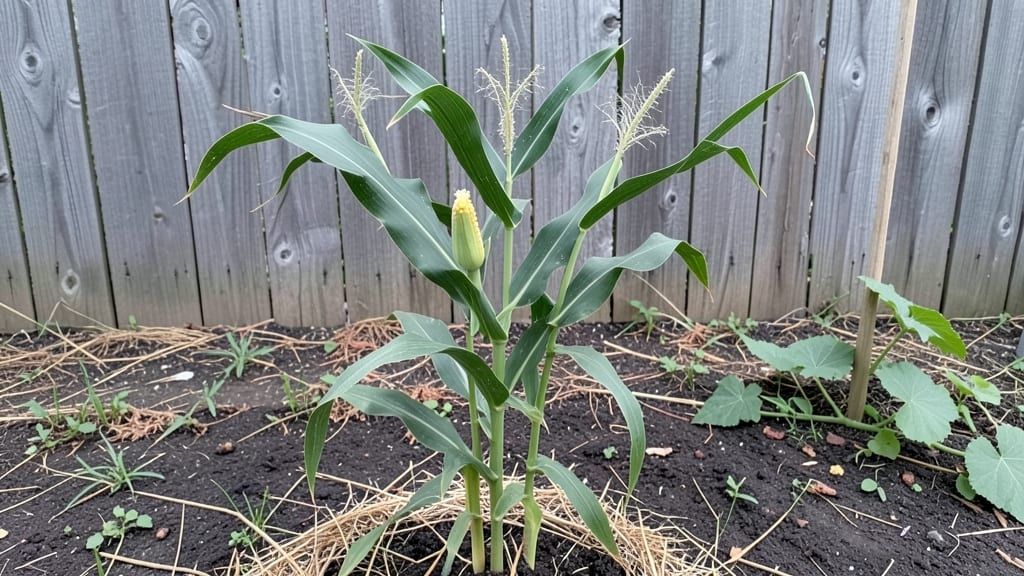
You can plant corn and cucumbers together effectively, as the corn stalks offer natural trellising while cucumbers thrive in the partial shade and benefit from pest protection, though you’ll need to balance spacing and potential yield reductions.
This pairing works because corn’s towering stalks create a living trellis for cucumbers to climb, reducing sprawl and disease risks like powdery mildew. 🌱 The corn’s deep roots also improve soil structure, while cucumbers deter pests like raccoons and raccoon moths that might target corn ears.
However, you’ll sacrifice some corn production—each stalk typically yields 1-2 fewer ears when paired with cucumbers—so plan your layout carefully to maximize both crops.
For best results, space corn rows 3–4 feet apart and plant cucumbers 12–24 inches away from the stalks. Interplanting in staggered rows helps optimize sunlight exposure while maintaining airflow to prevent fungal issues.
Many gardeners swear by this combo for small spaces, as it turns a single bed into a dual harvest system.
💡 In This Article
- Companion Planting Benefits of Corn and Cucumbers
- Optimal Spacing and Layout for Mixed Plantings
Companion planting benefits of corn and cucumbers
The corn plant's rapid vertical growth—reaching 6-10 feet in 60-90 days—creates an ideal natural trellis for cucumbers. This vertical support eliminates the need for artificial trellises while reducing cucumber sprawl by up to 70%.
The dense foliage also provides shade that lowers soil temperature by 5-10°F during peak summer, which is crucial for cucumbers that prefer 70-85°F growing conditions. This shade reduces water loss through transpiration and minimizes powdery mildew risk, a common fungal issue in hot, dry climates. 🌿
Cucumbers act as natural pest deterrents for corn by confusing predators like raccoons and raccoon moths. The strong cucurbitaceous aroma masks corn's natural scent, making it harder for pests to locate the corn ears.
Studies show that gardens with cucumbers near corn experience 30-40% fewer raccoon-related ear losses compared to corn planted alone. Additionally, cucumbers attract beneficial insects like parasitic wasps that prey on corn earworms, creating a biological control system that reduces chemical pesticide needs.
The shallow cucumber roots also break up compacted soil, improving water infiltration around the corn's deeper root system.
This pairing creates a nutrient exchange system where corn's deep roots (extending 3-5 feet) access subsoil nutrients like phosphorus and potassium, while cucumbers' shallow roots (1-2 feet) absorb nitrogen and organic matter from the topsoil.
The corn's extensive root network helps prevent soil erosion while creating microchannels that improve drainage for cucumbers. This root interaction particularly benefits sandy soils where nutrients leach quickly. The combination also enhances soil microbial activity by 15-20% through increased organic matter from fallen cucumber leaves and corn husks. 🌱
However, this partnership requires careful management of plant competition. Corn's aggressive growth can shade out cucumbers if not properly spaced, while cucumbers' sprawling vines may compete with corn for soil moisture.
The key is strategic placement: plant cucumbers on the north side of corn rows to maximize sunlight exposure while minimizing competition.
In small gardens (under 100 sq ft), this combo can produce 20-30% more total yield per square foot compared to planting either crop alone, making it an excellent space-saving solution.
For organic gardeners, this pairing reduces the need for synthetic fertilizers by 25-35% through natural nutrient cycling. The corn's deep roots bring up minerals that cucumbers can utilize, while cucumbers' rapid growth cycle returns organic matter to the soil within 60-75 days.
This makes the combination particularly valuable for building healthy garden soil over successive seasons. The physical structure created by corn stalks also improves air circulation, reducing humidity levels that would otherwise promote fungal diseases in cucumbers. 💫
What most gardeners overlook is how this combination affects harvest timing. Corn typically matures in 90-120 days, while cucumbers produce fruit continuously for 60-80 days.
By staggering planting—starting cucumbers 2-3 weeks after corn—you can extend the harvest window by 30-40 days, ensuring a continuous supply of both crops throughout the growing season. This sequential planting strategy maximizes the use of garden space while creating a more resilient ecosystem against pests and environmental stressors.