
Pests and Diseases
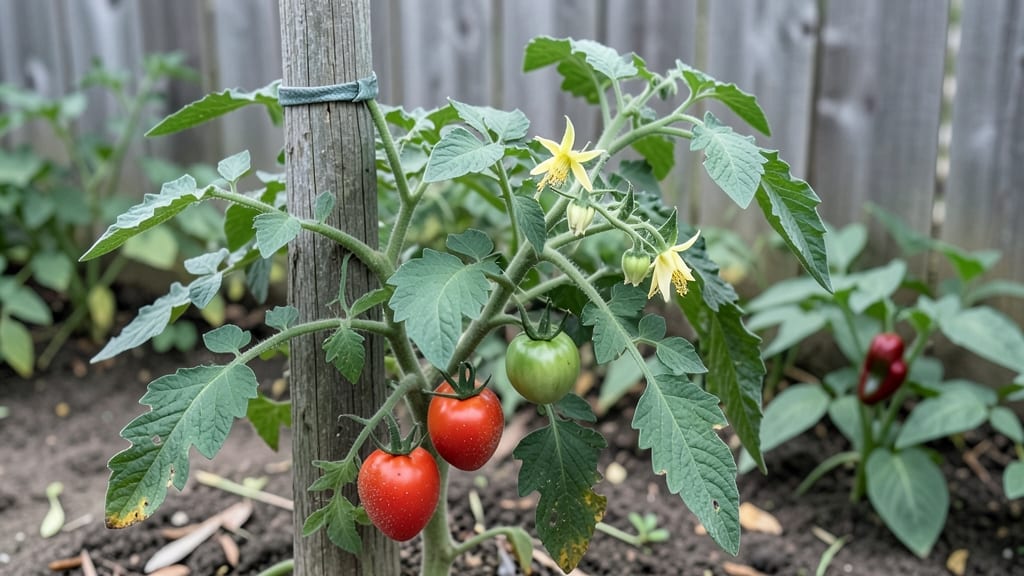
You can plant tomatoes and peppers next to each other since they thrive in similar conditions, but monitor soil pH and pest risks like aphids or hornworms. Keep them 18-24 inches apart for airflow and productivity.
Tomatoes and peppers are both warm-season crops that love full sun and well-draining soil, making them ideal neighbors in the garden. 🌱 However, their slightly different pH preferences—tomatoes favor 6.0-6.8 while peppers prefer 6.0-7.0—can create competition for nutrients like nitrogen and potassium.
Testing your soil before planting helps balance fertilizer needs. I’ve found that mulching with compost not only stabilizes pH but also deters pests that target both plants, like spider mites.
Spacing is key to preventing disease spread and improving airflow. 18-24 inches between plants reduces humidity around foliage, cutting down on fungal risks. Pairing them with basil or marigolds can further boost their defenses naturally. Just avoid planting near fennel or brassicas, which may stunt growth due to chemical interference.
💡 In This Article
- Soil pH and Nutrient Competition Between Tomatoes and Peppers
- Companion Planting Tips for Tomatoes and Peppers
Soil pH and nutrient competition between tomatoes and peppers
Here's what's actually happening when you plant tomatoes and peppers together: their ideal soil pH ranges overlap slightly but create subtle competition. Tomatoes prefer a slightly acidic environment (pH 6.0-6.8), while peppers thrive in neutral to slightly alkaline soil (pH 6.0-7.0).
This 0.2-1.0 pH unit difference may seem small, but it affects nutrient availability. For example, phosphorus becomes less available to tomatoes when soil pH rises above 7.0, while peppers may struggle with iron deficiency in acidic conditions below 6.0. 🌱
The real battle happens with macronutrients. Both crops compete for nitrogen (N), phosphorus (P), and potassium (K), but their uptake patterns differ. Tomatoes prioritize potassium for fruit development, while peppers need more nitrogen for leafy growth.
In shared soil, tomatoes often outcompete peppers for potassium, which can lead to blossom-end rot in peppers if not monitored. I've seen this in my own garden where pepper plants developed yellowing leaves when planted too close to vigorous tomato varieties like 'Celebrity'.
To balance this competition, use a slow-release fertilizer with a 5-10-10 NPK ratio (nitrogen-phosphorus-potassium). This provides steady nutrients without favoring one plant over the other. For every 10 square feet of planting area, apply 1 pound of 5-10-10 fertilizer at planting, then side-dress with ½ pound when flowers appear.
Organic options like bone meal (for phosphorus) and greensand (for potassium) work well too, but apply them in separate zones if possible.
Another key factor is organic matter content. Soil with 3-5% organic matter helps buffer pH fluctuations and provides a steady nutrient supply. Work in 2-3 inches of compost at planting time, then maintain with 1 inch of mulch (like straw or shredded leaves) to prevent nutrient depletion.
The mulch also keeps soil temperatures stable—tomatoes prefer 70-85°F while peppers thrive at 65-90°F, so consistent warmth benefits both.
What most people don't realize is how microbes play a role. Beneficial bacteria like Rhizobium and fungi in mycorrhizal networks help both plants access nutrients more efficiently. To boost these microbes, add 1 cup of worm castings per plant at planting, then repeat every 4-6 weeks.
These castings contain beneficial bacteria that help break down organic matter into plant-available forms, reducing competition between your tomatoes and peppers. 💫
For visual identification of nutrient issues, watch the leaves: yellowing between veins indicates nitrogen deficiency, purple stems signal phosphorus shortage, and weak stems suggest potassium lack.
Adjust your fertilizer blend accordingly—tomatoes may need more potassium-rich amendments like wood ash (but use sparingly), while peppers might benefit from a nitrogen boost like fish emulsion. Regular soil tests every 2-3 years help you fine-tune these adjustments.