
Planting
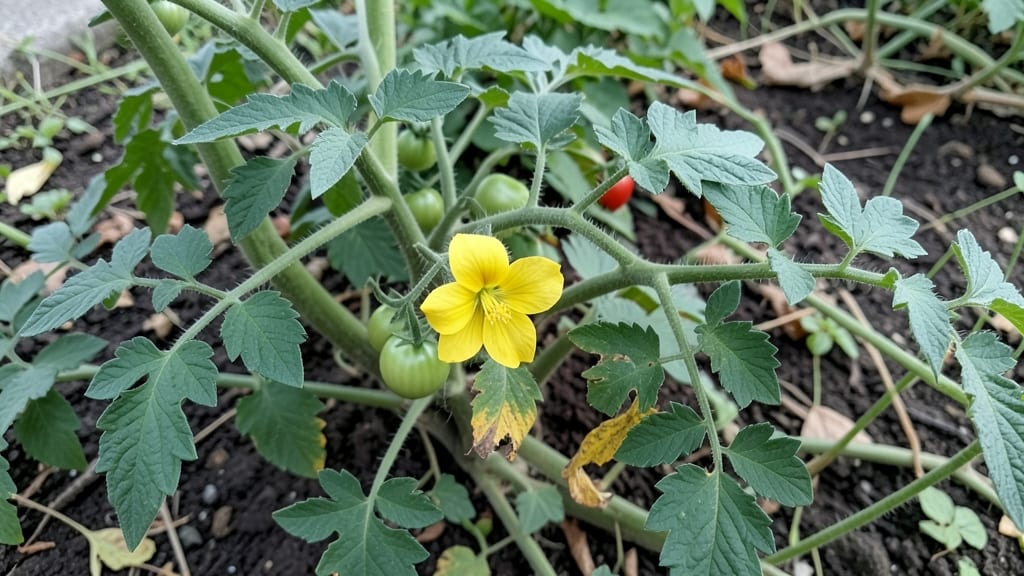
The Candyland tomato plant delivers sun-drenched red fruits with a sweetness that rivals any heirloom—plus, it handles dry spells like a pro. 🌿 I grew mine last summer, and the moment I bit into that first ripe tomato, I knew this was the variety to replace all others in my garden.
Its compact vines and glossy leaves make it perfect for containers or small spaces, while its resistance to cracking and disease means fewer headaches and more harvests.
This tomato thrives in full sun but won’t bolt in the heat, making it ideal for hotter climates where other varieties struggle. The soil needs to drain well—think loose, fertile mix with a touch of compost—and watering should be deep but infrequent once established.
Prune regularly to encourage airflow and focus energy on fruit production, and you’ll end up with clusters of vibrant, flavor-packed tomatoes that neighbors will beg for.
What makes Candyland special isn’t just its taste—it’s the reliability. Even in drought conditions, the plants keep producing, and the sweetness stays consistent from first fruit to last. By midsummer, you’ll have enough tomatoes to share, can, or freeze, all while saving space and effort.
The secret? Start with healthy seedlings, keep the soil moist but not soggy, and protect those blossoms from late frosts.
Whether you’re a beginner testing your green thumb or a seasoned gardener looking for a foolproof variety, Candyland delivers. It’s the kind of tomato that turns casual gardeners into enthusiasts—one bite at a time. Ready to grow yours?
📚 In This Guide
- What you need
- Instructions
- Tips and common mistakes
- Wrapping up and next steps
What you need
- ● Candyland tomato seeds or seedlings: 2–4 plants (check seed packet for spacing recommendations).
- ● Containers or garden bed: Containers: 5-gallon pots or larger (at least 12" deep) with drainage holes.
- ● Garden bed: Full sun (6–8+ hours daily) with well-draining soil.
- ● High-quality potting mix: 10–20 lbs (sterilized, organic blend with perlite or vermiculite for aeration).
- ● Slow-release fertilizer: 10–15–10 NPK ratio (follow package instructions for application).
- ● Tomato cages or stakes: 4–6 ft tall (to support vining growth).
- ● Mulch: Straw or shredded leaves (2–3 inches thick to retain moisture).
- ● Hand trowel or transplanting tool (for planting seedlings).
- ● Watering can or hose with gentle spray nozzle (avoid wetting foliage to prevent disease).
- ● Pruning shears (to remove suckers and encourage fruit production).
- ● Organic compost (for enriching soil before planting).
- ○ Drip irrigation kit (optional) (for consistent watering in drought-prone areas).
- ● Epsom salt (magnesium sulfate) (1 tbsp per plant monthly for vibrant red fruit).
Step-by-step guide to growing Candyland tomatoes
This heirloom variety delivers sweet, vibrant red fruits while thriving in dry conditions—here’s how to coax its best performance.
🌱 Step 1: Start Seeds Indoors at the Right Time
Fill your 4-inch seedling trays with sterile seed-starting mix (never garden soil—it’s too dense). Press the mix down lightly so it’s firm but not compacted, then water until the surface is evenly moist. Candyland tomatoes need warmth to germinate, so place the trays on a seedling heat mat set to 75-85°F.
Sow seeds ¼ inch deep, two per cell, since germination rates can be uneven. Cover the tray with plastic wrap to trap humidity, but remove it once sprouts appear. You’ll see tiny green shoots in 7-10 days—that’s your cue to move them under grow lights for 14-16 hours daily. Without enough light, seedlings stretch weakly and never recover.
☀️ Step 2: Harden Off and Transplant After Frost
Two weeks before your last frost date, start hardening off seedlings by placing them outside in a sheltered spot for 1-2 hours the first day. Gradually increase their outdoor time by 1 hour daily until they can handle a full day. Candyland tomatoes are drought-tolerant, but they still need time to adjust to wind and sun.
Transplant after the soil warms to 60°F—stick your finger in the ground; if it’s cool below 2 inches, wait another week. Bury seedlings deeper than usual, up to their first true leaves, to encourage strong root systems. Space plants 24-36 inches apart in rows 3 feet apart to allow airflow and prevent disease.
💧 Step 3: Water Deeply and Mulch for Drought Resistance
Candyland tomatoes thrive on deep, infrequent watering—aim for 1-1.5 inches per week, delivered at the base of the plant. Water in the morning so foliage dries quickly, reducing fungal risks. You’ll know it’s time to water when the top 2 inches of soil feel dry.
Spread 2-3 inches of mulch around each plant (but not touching the stem) to retain moisture and keep roots cool. I use straw because it breaks down slowly and improves soil structure over time. Avoid synthetic mulches—they can overheat the soil and stress plants in hot climates.
✂️ Step 4: Prune and Support for Maximum Fruit Production
Install cages or stakes as soon as plants reach 12 inches tall—Candyland tomatoes grow indeterminately, so they’ll keep climbing. Prune suckers (the small shoots in the leaf axils) regularly to direct energy into fruit production. Remove any leaves touching the ground to prevent soil-borne diseases.
When fruits begin to set, pinch off the first few blossoms if the plant looks stressed. This ensures stronger roots and more vigorous growth later. You’ll know the plant is thriving when it produces bright red, glossy fruits with sweet, tangy flavor—harvest when fully colored and slightly soft to the touch.
Tips & tricks for growing Candyland tomatoes
Here's what I've learned from growing these vibrant, drought-tolerant beauties—tricks that'll help you avoid common pitfalls and get the best harvest possible.
Seedling Heat Mat: That 75-85°F range on your heat mat is non-negotiable for germination. I've tried using regular room temperature (around 68°F) and the seeds took twice as long to sprout. If you don't have a heat mat, place your trays on top of your fridge—they generate just enough warmth. Just monitor closely to avoid overheating above 85°F, which can cook the seeds.
Lighting Secret: The 14-16 hours of grow light daily is crucial, but here's the thing: quality matters more than quantity. If your lights are dim, even 18 hours won't help. I use full-spectrum LED grow lights about 4-6 inches above seedlings. You'll know you've got it right when seedlings grow sturdy and dark green—not leggy and pale.
Transplanting Hack: When you're checking soil temperature at 60°F, take it a step further. Bury your thermometer 2 inches deep and leave it there for 10 minutes—surface temps can be misleading. Also, water the soil thoroughly right before transplanting. This helps reduce transplant shock and gets roots growing faster.
Mulch Strategy: That 2-3 inches of mulch isn't just about moisture—it's also about temperature regulation. In hot climates, it keeps roots cool; in cooler areas, it adds insulation. I've found that applying mulch right after transplanting gives plants a head start. Just keep it 2 inches away from the stem to prevent rot.
Pro Tips for Candyland Tomato Plant
- Here's what I've learned from growing these vibrant, drought-tolerant beauties—tricks that'll help you avoid common pitfalls and get the best harvest possible.
- Seedling Heat Mat: That 75-85°F range on your heat mat is non-negotiable for germination.
- Lighting Secret: The 14-16 hours of grow light daily is crucial, but here's the thing: quality matters more than quantity.
Frequently asked questions
Got questions about growing the stunning Candyland tomato plant?
You’re not alone! Here are answers to the most common queries—from planting to harvest—so you can enjoy those sweet, drought-resistant red gems with confidence.
How long does it take for a Candyland tomato plant to produce fruit?
The Candyland tomato plant typically takes 60–75 days from transplanting to first harvest, depending on your climate. In warmer regions, expect fruits earlier, while cooler areas may see a slightly longer wait. Patience pays off—these beauties are worth it!
Can I grow Candyland tomatoes in containers, or do they need a garden bed?
Candyland tomatoes thrive in 5-gallon containers or larger with proper drainage. Use a high-quality potting mix and support the vines with a cage or stake. Just ensure they get 6–8 hours of sunlight daily—containers dry out faster, so water consistently.
Why are my Candyland tomatoes cracking, even though I’m watering them?
Cracking often happens due to inconsistent watering—too much or too little can stress the plant. Aim for deep, regular watering (1–2 inches per week) and mulch to retain moisture. Harvest tomatoes as soon as they ripen to reduce stress. If cracks appear, don’t worry—they’re still safe to eat!
Are there any diseases or pests I should watch out for on Candyland tomato plants?
Like most tomatoes, Candyland can fall prey to blight, aphids, or hornworms. Prevent issues by:
- Rotating crops yearly
- Using neem oil for pests
- Avoiding overhead watering
What’s the best way to store harvested Candyland tomatoes?
Store unripe Candyland tomatoes at room temperature (away from direct sunlight) to ripen naturally. Once ripe, keep them in a cool, dark place (like a paper bag) for up to a week. For longer storage, refrigerate—but know the texture may soften. Enjoy them fresh or preserve them in sauces, salsas, or dried snacks!
Wrapping up and next steps
Growing the Candyland tomato plant isn’t just about adding a pop of color to your garden—it’s about embracing a hardy, flavorful variety that thrives even when conditions aren’t perfect. 🌱 With its drought tolerance and sweet, vibrant red fruits, this tomato is a dream for both beginners and seasoned gardeners alike.
Whether you’re aiming for a bountiful harvest or simply want to liven up your outdoor space, the Candyland tomato delivers on both beauty and taste.
Ready to get started? Grab your seeds, pick a sunny spot, and let your green thumb shine! Plant a few today, and soon you’ll be savoring homegrown tomatoes that are as delightful to look at as they are to eat. Happy gardening! 🌞