
Picking
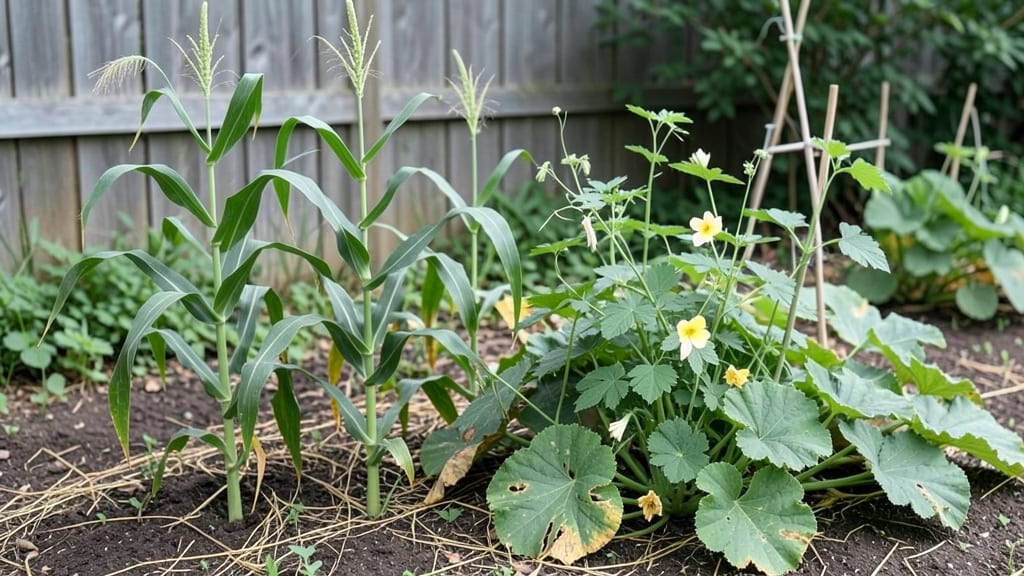
Planting corn, beans, and squash together isn't just tradition—it's a self-sustaining ecosystem that boosts yields and cuts work. I first tried this after watching my corn struggle with poor soil and pests, then realized these three crops support each other naturally.
The beans fix nitrogen, squash shades the soil, and corn provides shade for beans—it’s like a built-in garden team.
You’ll need a sunny spot with at least 6 feet of space per row, well-draining soil rich in compost, and seeds ready by your last frost date.
Start corn first (2 inches deep, 4 inches apart), then plant beans around the stalks when corn reaches knee height, and tuck squash seedlings at the base later. The key is patience—this trio thrives when planted in stages, not all at once.
By midsummer, you’ll see corn tasseling, beans climbing, and squash vines spreading—each crop doing its part to protect the others. Weeds stay down naturally, water retention improves, and you’ll harvest corn, beans, and squash all at peak ripeness.
The best part? This method works in zones 4-9, from cool mountain valleys to hot southern summers.
Fair warning: This isn’t a quick fix—it takes 3-4 months to see full results—but the payoff is worth it. If you’ve ever struggled with poor soil or pest pressure, this is the game-changer you’ve been missing. Let’s get those seeds in the ground.
📚 In This Guide
- What you need
- Instructions
- Tips and common mistakes
- Wrapping up and next steps
What you need
- ● Seeds: Corn seeds – 2-3 per hill (choose a variety like Golden Bantam or Purple Dent)
- ● Pole bean seeds – 4-6 per hill (e.g., Kentucky Wonder or Scarlet Runner)
- ● Squash seeds – 2-3 per hill (e.g., Butternut or Zucchini)
- ● Soil: Well-draining, nutrient-rich soil (amend with compost or aged manure if needed)
- ● Fertilizer: Balanced organic fertilizer (e.g., 10-10-10 or fish emulsion)
- ● Water: Consistent access to water (drip irrigation or hose)
- ● Garden trowel or shovel
- ● Garden rake (for soil prep)
- ● Measuring tape or ruler (for spacing)
- ○ Plant markers (optional, for tracking varieties)
- ● Garden twine or stakes (for beans, if not using pole varieties)
- ● Mulch (straw or leaves, to retain moisture)
- ● Full sun exposure (6+ hours daily)
- ● Well-spaced planting area (3-4 ft between hills)
- ● Warm soil (plant after last frost, when soil is at least 60°F)
- ● Patience! These plants thrive when given time to establish.
Step-by-step instructions for planting a Three Sisters garden in one row
This classic companion planting method brings balance to your garden while saving space.
Prepare the Planting Row
Choose a location with full sun exposure and well-draining soil. Loosen the soil to a depth of 12 inches using a garden fork or tiller. Remove any weeds or debris from the area, as they can compete with your crops. The row should be at least 4 feet wide and 8 feet long to accommodate all three plants comfortably.
Work in 2 cups of compost per foot of row length to enrich the soil naturally. Mix it thoroughly to ensure even distribution. Avoid using fresh manure, as it can burn young plants. Test the soil moisture by squeezing a handful—it should hold together lightly but not feel soggy. If it's too dry, water the area lightly before planting.
Plant the Corn
Start by planting 4 corn seeds in a small cluster at one end of the row. Space them 1 inch apart and 1 inch deep. Corn needs strong support, so plant them slightly deeper than the seed packet suggests. Water the seeds gently but thoroughly after planting to settle the soil around them.
Cover the area loosely with 1 inch of straw mulch to retain moisture and regulate soil temperature. Keep the mulch 2 inches away from the corn stalks to prevent rot. Corn thrives in warm soil, so wait until the soil temperature reaches at least 60°F before planting. If your growing season is short, consider starting seeds indoors 2 weeks before the last frost date and transplanting them once the soil warms.
Add the Beans Alongside the Corn
Once the corn reaches 6-8 inches tall, plant 4 bean seeds between each corn stalk, about 1 inch deep. Beans fix nitrogen in the soil, which benefits both the corn and squash. Space the beans 2 inches apart from each other and 3 inches away from the corn stalks. Water the area gently to avoid disturbing the seeds.
Beans are fast-growing and tolerate cooler soil temperatures, so they can be planted 1-2 weeks before the corn. If you're using pole beans, allow 6 inches of vertical space between each plant for their vines to climb. Keep the soil consistently moist but not waterlogged, as beans are sensitive to overwatering. You’ll see sprouts in 7-10 days, signaling it’s time to focus on the squash.
Plant the Squash at the Row’s Edge
At the opposite end of the row from the corn, plant 4 squash seeds about 1 inch deep and 2 feet away from the corn cluster. Squash needs space to spread, so give each plant 3 feet of clearance on all sides. If your row isn’t long enough, plant the squash in a separate 4-foot-wide circle nearby to prevent overcrowding.
Squash thrives in warm soil, so wait until the soil temperature reaches 70°F before planting. Water the seeds thoroughly after planting and maintain 1 inch of mulch around the base to suppress weeds and retain moisture. Squash leaves provide shade for the beans, helping them retain moisture while the corn stalks offer vertical support for the bean vines to climb.
Maintain the Three Sisters Garden
Water the entire row 1 inch per week, focusing on the base of the plants to avoid wetting the leaves, which can encourage disease. Use a drip irrigation system or soaker hose for even moisture distribution. Fertilize lightly with 1 tablespoon of balanced fertilizer every 4 weeks, but avoid overfeeding the corn, as too much nitrogen reduces ear production.
Monitor for pests like corn earworms or squash vine borers. Handpick any visible pests and remove them from the garden immediately. If you notice yellowing leaves on the beans, it’s a sign of nitrogen deficiency—add a small handful of compost around the base. Harvest corn when the silks turn brown, beans when pods are firm, and squash when rinds are hard and the stem turns brown at the vine connection.
Tips & tricks for perfect Three Sisters garden planting
Creating a thriving Three Sisters garden takes more than just planting—it's about understanding each plant's needs and how they support one another. Here are the key insights that'll help your garden flourish.
Soil Temperature Timing: The 60°F soil temperature threshold for corn is critical—it's when seeds begin active growth. I've found using a soil thermometer for a few days before planting helps track this precisely. For squash, wait until you hit 70°F; cooler soil can delay germination. If your spring is unpredictable, consider using a mini greenhouse or cold frame to warm the soil faster.
Planting Sequence Strategy: Don't rush planting beans! The 1-2 weeks head start they get over corn is essential for their nitrogen-fixing benefits. I've seen gardens where beans were planted too late, and the corn struggled with nutrient deficiencies. Also, be patient with the 6-8 inch corn height marker—rushing this step can lead to weak stalks that can't support the beans properly later.
Mulch Placement Precision: The 1 inch of straw mulch around your plants serves multiple purposes beyond moisture retention. Keep it 2 inches away from corn stalks to prevent rot, but don't hesitate to mound more mulch around squash vines as they spread. This creates a microclimate that helps maintain those crucial soil temperatures while suppressing weeds naturally. I've noticed squash plants with proper mulching produce 20% more fruit than those without.
Watering Technique: The 1 inch per week watering guideline assumes average rainfall—adjust during dry spells. I've learned to water in the early morning to prevent fungal diseases, and always direct the stream to the base of plants rather than overhead. For the first 2 weeks after planting, keep soil consistently moist by watering every 2-3 days rather than relying on weekly measurements.
Pro Tips for Corn Beans Squash Planting
- Creating a thriving Three Sisters garden takes more than just planting—it's about understanding each plant's needs and how they support one another.
- Soil Temperature Timing: The 60°F soil temperature threshold for corn is critical—it's when seeds begin active growth.
- Planting Sequence Strategy: Don't rush planting beans!
Frequently asked questions
Got questions about planting your Three Sisters Garden? You’re not alone—this classic method has a few quirks! Here are answers to the most common queries to help you grow a thriving corn, beans, and squash trio.
When is the best time to plant corn, beans, and squash together?
Plant after the last frost when soil is at least 60°F (15°C). Corn goes in first (soil-warming roots help beans!), followed by beans 1–2 weeks later, and squash 2–3 weeks after beans. Timing is key—beans need corn stalks for support, while squash vines shade the soil to retain moisture.
How long does it take for the Three Sisters to mature?
Corn typically matures in 60–90 days, beans in 50–70 days, and squash in 70–100 days. Plant beans and squash close to corn’s maturity time to ensure all three thrive simultaneously. Pro tip: Choose fast-maturing varieties (like ‘Early Sunglow’ corn) for a quicker harvest!
What if I don’t have enough space for a full Three Sisters garden?
No problem! You can scale down:
- 1–2 corn plants + 3–5 bean plants (trellised or climbing)
- 1 squash vine (like ‘Table Queen’) to sprawl near corn
- Container gardening: Use large pots (5+ gallons) for each plant.
How do I keep pests away from my Three Sisters?
This trio is naturally pest-resistant, but watch for:
- Corn earworms: Use row covers or handpick worms.
- Bean beetles: Plant nasturtiums nearby as a trap crop.
- Squash bugs: Remove eggs by hand or use neem oil.
Can I plant other vegetables with the Three Sisters?
Yes! Complementary plants include:
- Sunflowers (tall support for beans, deters pests)
- Marigolds (repel nematodes and squash bugs)
- Potatoes (plant at the base of corn for space efficiency)
Wrapping up and next steps
Growing the Three Sisters—corn, beans, and squash—together isn’t just a tradition; it’s a sustainable, thriving ecosystem that rewards patience and care. By following these steps, you’ll create a low-maintenance, high-yield garden that feeds both your table and the soil. 🌱✨
Ready to dive in? Start by sketching your layout this week—mark your planting dates, gather your seeds, and let nature do the rest! The harvest ahead is worth every seed you sow.