
Blooming
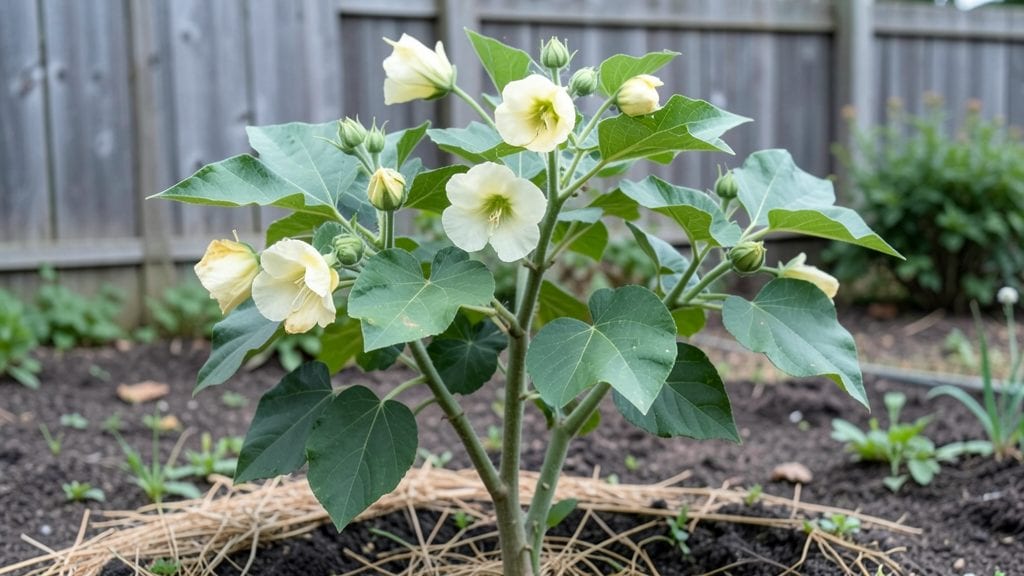
Cotton plants bloom with shockingly lush pink or white flowers that turn into fluffy bolls—if you give them the right conditions. I’ve grown them in my high-desert garden for years, and the key isn’t just watering but understanding their drought-smart nature.
These aren’t your grandma’s commercial cotton varieties; homegrown types like Upland or Sea Island produce vibrant blooms and usable fiber, all while sipping less water than most ornamentals.
The secret to those bold, healthy blooms starts with well-draining soil—mix in compost at planting—and full sun, even in heat waves. Overwatering is the silent bloom-killer, so let the top 2 inches dry out between drinks.
I’ve seen plants rebound from drought stress with just a deep soak, but they hate soggy roots. Once flowers appear, watch for pests like aphids—they’ll suck the life out of buds faster than you can say "harvest."
By midseason, you’ll have pops of color that last longer than most annuals, with bolls maturing into soft, fluffy cotton by fall. The best part? These plants thrive where others fail, giving you drought-proof beauty without the fuss.
Even in my Zone 7 garden, they keep blooming until frost—no deadheading required. Here’s how to coax that same resilience from yours.
Works for containers, borders, or even as a living mulch—just adjust spacing for your space. The same rules apply whether you’re growing for fiber, flowers, or both. Let’s get those buds popping!
📚 In This Guide
- What you need
- Instructions
- Tips and common mistakes
- Wrapping up and next steps
What you need
- ● Cotton plant seeds or seedlings: Choose drought-resistant varieties like Gossypium hirsutum or Gossypium barbadense (e.g., 'Sea Island Cotton').
- ● Quantity: 3–5 plants per 100 sq. ft. for optimal blooms.
- ● Well-draining soil: Mix 2 parts garden soil with 1 part compost and 1 part perlite/sand for aeration.
- ● pH level: 6.0–7.5 (test with a soil kit if unsure).
- ● Sunlight access: Full sun (6+ hours daily) is a must—cotton plants thrive in heat!
- ● Watering supplies: Drip irrigation or a soaker hose (to avoid wetting leaves and prevent disease).
- ● Water deeply 2–3 times per week (reduce in extreme drought).
- ● Fertilizer: Balanced 10-10-10 NPK fertilizer or organic options like composted manure.
- ● Apply every 4–6 weeks during growing season.
- ○ Support structures (optional but helpful): Stakes or cages (cotton plants can grow 4–6 feet tall!).
- ● Mulch: Straw or wood chips to retain moisture and suppress weeds.
- ● Pest control: Neem oil or insecticidal soap (cotton plants attract aphids and spider mites).
- ● Pruning shears: For shaping plants and removing dead blooms.
- ● Garden gloves: Protect your hands while handling thorny stems!
Step-by-step guide to encouraging cotton plant blooms
Here's how to coax vibrant blooms from your drought-tolerant cotton plants all year long.
Select the Right Variety and Planting Site
Choose a cotton variety suited to your climate zone—upland cottons thrive in USDA Zones 7-10, while sea island varieties prefer Zones 9-11. I always opt for disease-resistant strains like 'Deltapine' or 'Stoneville' to minimize pest pressure. Plant in full sun—cotton demands at least 8-10 hours of direct sunlight daily—and avoid low-lying areas where cold air pools.
Cotton hates soggy roots, so select well-draining soil with a pH between 6.0 and 7.5. Amend heavy clay with 2-3 inches of compost before planting to improve aeration. I test soil moisture by squeezing a handful—it should crumble easily when dry but not feel powdery. This ensures roots get oxygen while retaining enough moisture for bloom development.
Provide Consistent Water and Fertilizer
Water deeply 2-3 times per week during the growing season, delivering 1-1.5 inches of water per session. Let the top 2 inches of soil dry between waterings—cotton is drought-resistant but produces better blooms with steady moisture. I use a drip irrigation system to keep leaves dry, preventing fungal diseases like boll rot that can devastate flower sets.
Fertilize at planting with a balanced 10-10-10 formula, then switch to a low-nitrogen, high-phosphorus blend (5-10-10) once buds form. Phosphorus encourages root and flower development, while excess nitrogen promotes leafy growth at the expense of blooms. Side-dress with 1 tablespoon of bone meal per plant at bud stage for an extra phosphorus boost.
Prune for Airflow and Light Penetration
Remove suckers—those small shoots growing from the main stem—when they're 1-2 inches long. These compete with primary branches for nutrients and light, reducing bloom potential. I prune in the early morning when stems are firm, using clean, sharp pruners to avoid tearing tissue. Leave 3-4 main branches per plant to maximize flowering potential.
Thin dense foliage to improve airflow, especially in humid climates. Cotton plants need 18-24 inches of space between plants to prevent overcrowding. You'll know you've done it right when sunlight reaches the lower branches—this triggers more lateral buds to form. Avoid heavy pruning late in the season, as new growth won't have time to mature before frost.
Protect Blooms from Pests and Weather Stress
Cover young plants with floating row covers until they reach 12 inches tall to deter early-season pests like aphids and spider mites. These sap-suckers weaken plants and reduce bloom quality. Once plants are established, spray with neem oil weekly as a preventative measure. I apply it in the evening to avoid harming beneficial insects.
Cotton blooms are sensitive to temperature extremes. If nighttime temps drop below 55°F, use frost cloth to protect emerging buds. Heat stress above 95°F can cause buds to drop, so provide afternoon shade during heatwaves. Mulch with 2-3 inches of straw to regulate soil temperature and conserve moisture—this simple step keeps roots cool and blooms thriving.
Hand-Pollinate for Maximum Yield (If Needed)
Cotton flowers are self-pollinating, but poor airflow or heavy rain can prevent natural pollination. On cloudy days or after storms, gently shake plants in the morning to release pollen. For stubborn cases, use a soft paintbrush to transfer pollen from male to female flowers. Female flowers have a tiny boll at their base, while males have no boll—this visual cue helps you target the right blooms.
Remove any spent blooms that fail to set bolls to redirect the plant's energy toward developing fruit. I harvest blooms when they're fully open but before they turn brown, ensuring maximum fiber quality. This continuous pruning encourages more flowers to form throughout the season, extending your cotton plant's productivity well into fall.
Tips & tricks for perfect cotton plant blooms
These proven strategies will help you transform your cotton plants into a year-round floral display while keeping them resilient against drought and pests.
Soil Preparation Insight: Before planting, conduct a simple soil test using a DIY kit or send a sample to your local extension office. Cotton thrives in soil with a pH between 6.0 and 7.5, but many gardeners overlook this critical factor. I've seen plants struggle in soil testing 5.5 or above 8.0 despite perfect sunlight and watering. If your soil is too acidic, amend with dolomitic lime at a rate of 10 pounds per 100 square feet, working it into the top 6 inches. For alkaline soil, incorporate 2-3 inches of peat moss or sulfur to lower the pH gradually over several months.
Watering Strategy for Optimal Blooms: The 2-3 times per week recommendation works well in most climates, but timing matters just as much as frequency. I water my cotton plants between 6-8 AM to allow foliage to dry completely before evening, preventing fungal diseases like boll rot. During extreme heat (above 95°F), increase watering to daily sessions of 1.5 inches, delivered early in the morning. Always water at the base rather than overhead to minimize leaf wetness. Consider installing a moisture meter to track soil moisture at the 2-inch depth mentioned in the instructions—this helps avoid both underwatering and overwatering.
Pruning Technique Refinement: When removing suckers at the 1-2 inch stage, focus on the angle of your cuts. Make clean, diagonal cuts just above a leaf node to encourage stronger regrowth. I've found that leaving 3-4 main branches creates an ideal balance—too few branches limit bloom potential, while too many lead to overcrowding. For established plants, use a pair of bypass pruners for precision cuts, and always sterilize your tools with rubbing alcohol between plants to prevent disease spread. Prune on dry mornings to allow wounds to heal quickly, reducing the risk of infection.
Temperature Management for Extended Blooming: The 55°F nighttime threshold is crucial, but don't wait until buds appear to take action. Install a minimum-maximum thermometer near your plants to track nighttime temperatures consistently. If you're in a transitional climate zone, consider using a small space heater (safely positioned) during cold snaps to maintain soil temperatures above 55°F. For heat stress above 95°F, provide afternoon shade using shade cloth with 30-50% coverage—this reduces leaf scorch while allowing sufficient light for photosynthesis. Mulching with 2-3 inches of straw not only regulates soil temperature but also suppresses weeds that compete with cotton for nutrients.
Pro Tips for Cotton Plant Bloom
- These proven strategies will help you transform your cotton plants into a year-round floral display while keeping them resilient against drought and pests.
- Soil Preparation Insight: Before planting, conduct a simple soil test using a DIY kit or send a sample to your local extension office.
- Watering Strategy for Optimal Blooms: The 2-3 times per week recommendation works well in most climates, but timing matters just as much as frequency.
Frequently asked questions
Got questions about cotton plant blooms? You’re not alone!
Whether you're a gardener eager to grow these drought-resistant beauties or just curious about their care, here are some of the most common inquiries—answered in a snap.
When do cotton plants typically bloom?
Cotton plants usually bloom 60–100 days after planting, depending on the variety and climate. In warm regions, expect flowers in early summer, while cooler zones may see blooms later. Pro tip: Plant in spring after the last frost for the best results!
How often should I water cotton plants during bloom?
Water deeply but infrequently—about 1–1.5 inches per week—to encourage strong blooms. Overwatering can drown roots, while underwatering stresses the plant. Drought-resistant tip: Mulch around the base to retain moisture and reduce evaporation.
Why aren’t my cotton plant flowers opening?
Several factors could be at play:
- Not enough sunlight (they need full sun, 6+ hours daily).
- Overcrowding—thin plants if they’re too close.
- Nutrient deficiency (try a balanced fertilizer).
- Extreme temps (below 50°F or above 95°F can delay blooms).
Can I grow cotton plants in containers?
Yes! Just use a large pot (15+ gallons) with drainage holes and well-draining soil. Dwarf varieties like ‘Pima’ or ‘Sea Island’ work best. Container tip: Place pots in a sunny spot and water consistently—containers dry out faster!
Are cotton plant blooms edible or toxic?
While cotton flowers are edible (used in teas, salads, or garnishes), the plant itself contains glycosides, which can be toxic if ingested in large amounts. Stick to the blooms and avoid other parts. Safety note: Always confirm with a local expert if unsure!
What’s the best alternative if cotton plants don’t thrive in my climate?
Try these drought-resistant bloomers with similar charm:
- Okra (edible flowers, heat-loving).
- Lantana (long bloom season, attracts pollinators).
- Zinnia (easy to grow, vibrant colors).
- Portulaca (Moss Rose) (succulent-like, thrives in poor soil).
Wrapping up and next steps
The cotton plant bloom isn’t just a splash of color—it’s a symbol of resilience and year-round beauty that thrives even in dry conditions. With the right care, you can enjoy its delicate flowers and lush foliage while supporting sustainable gardening.
Whether you’re a seasoned gardener or just starting, this drought-resistant gem is a rewarding addition to any space! 🌸
Ready to bring home some cotton plant magic? Start by selecting your favorite variety, gathering your supplies, and planting with confidence. Your garden will thank you—and so will your eyes! 🌱