
Plants
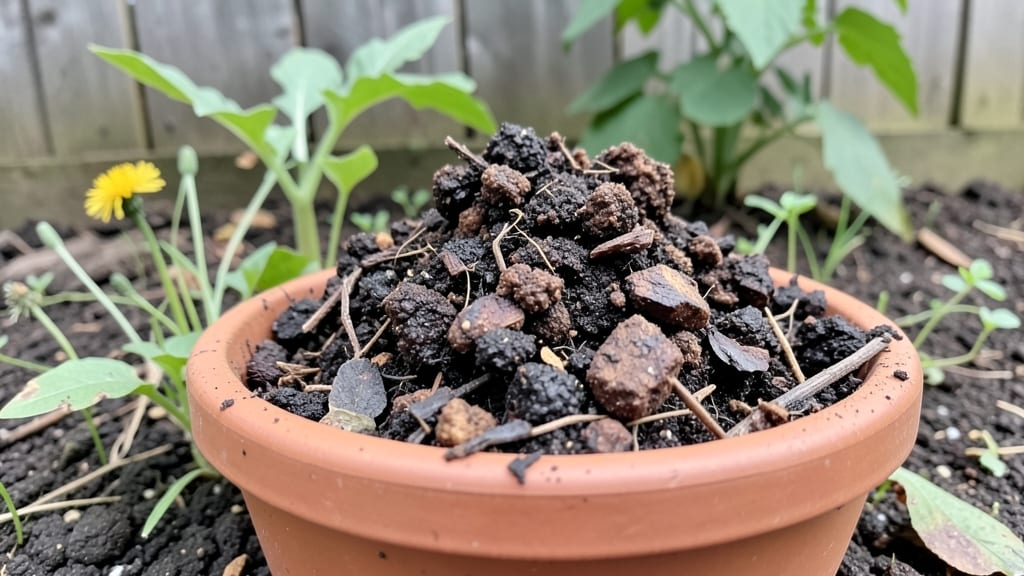
Using DE for plants targets pests like aphids and slugs by dehydrating them, but it doesn’t provide nutrients. Apply food-grade DE lightly around soil or foliage, avoiding overuse to protect beneficial insects and plant roots.
Diatomaceous earth (DE) works as a natural insecticide because its microscopic particles create tiny cuts in soft-bodied pests, causing them to dry out within hours. 🔥 Unlike chemical pesticides, DE breaks down harmlessly in sunlight and rain, making it a safer option for organic gardens.
However, it’s not a fertilizer—it won’t improve soil health or plant growth, so pair it with compost or balanced nutrients for best results.
For best results, apply DE in dry conditions (early morning or late evening) to avoid washing it away with rain. Focus on areas where pests hide, like under leaves or along stems, and reapply every 7-10 days or after heavy rain. Always use food-grade DE—pool-grade versions contain harmful additives.
💡 In This Article
- How Diatomaceous Earth Kills Pests
- Best Practices for Using DE in Gardens
How diatomaceous earth kills pests
Diatomaceous earth (DE) works as a natural insecticide through a dual mechanism: microscopic sharp edges and silica absorption. The powder consists of fossilized diatoms—single-celled algae with porous, glass-like cell walls that grind down to particles measuring 1-100 microns in size.
When soft-bodied pests like aphids or spider mites crawl across treated surfaces, these jagged particles cut through their exoskeletons, creating microscopic wounds that disrupt their protective barrier. 🔥
The real damage occurs through dehydration. Once the exoskeleton is compromised, the silica in DE absorbs the insect's moisture and fatty oils, causing them to dry out within 24-72 hours. This process is similar to how silica gel packets work in packaging, but on a cellular level.
The key factor is particle size: finer particles (3-5 microns) cling better to pests, while coarser particles work better for larger insects like slugs.
Here's why DE fails against hard-shelled insects: beetles, ants, and earwigs have thick, waxy exoskeletons that resist the sharp edges of DE. Their bodies also produce oils that repel the powder, preventing absorption.
Unlike soft-bodied pests that suffocate and dehydrate quickly, these insects simply walk away unharmed. This is why DE works best on caterpillars, snails, and whiteflies—pests with delicate, moisture-rich bodies. 💫
The silica composition also plays a crucial role. Food-grade DE contains 80-90% silicon dioxide, a naturally occurring mineral that's safe for plants but deadly to insects. When applied correctly, it creates a protective barrier that pests avoid, while beneficial insects like bees and ladybugs—with their waxy, hard exoskeletons—remain unaffected.
The powder's effectiveness drops dramatically when wet, which is why timing applications during dry conditions is essential.
What most gardeners don't realize is that DE doesn't kill pests instantly—it's a slow-acting desiccant. For maximum impact, you need to create a thick enough layer (1/8 inch) that pests can't easily bypass.
The powder should feel slightly gritty to the touch, similar to baby powder but with a slightly coarser texture. This ensures continuous contact that leads to dehydration over time. 🌟
Interestingly, DE's effectiveness varies by pest type. For example, slugs and snails leave a visible trail of slime that actually helps DE work better—the powder sticks to their bodies more effectively.
Meanwhile, flying insects like fungus gnats get coated when they land on treated soil, causing them to dry out within hours. This targeted approach makes DE one of the most precise natural pest control methods available.