
Pests
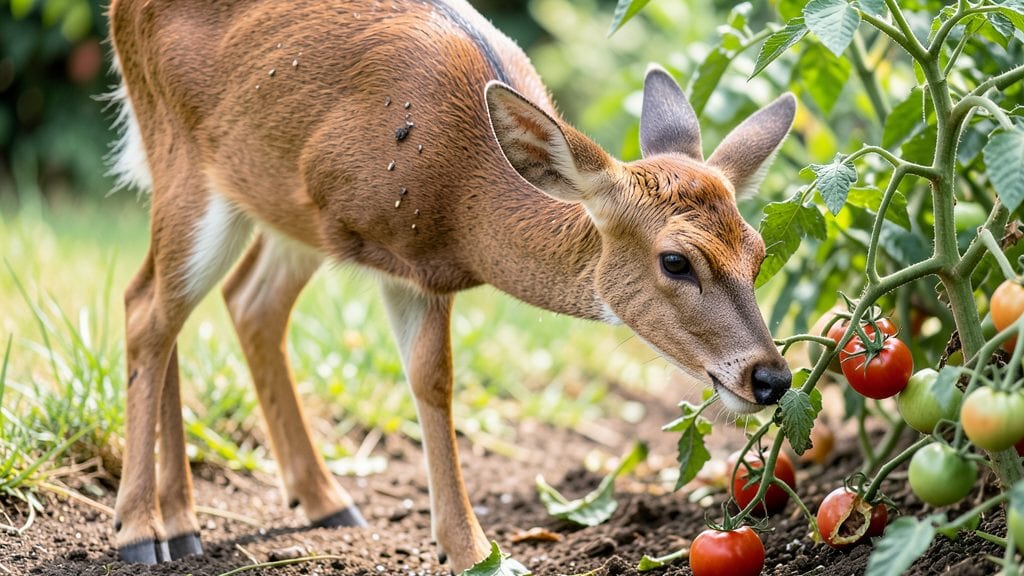
When deer ate my tomato plants down to the stems last summer, I knew I needed a multi-layered defense—not just one trick. 🌱 The good news? A combination of fencing, natural repellents, and smart plant placement can save your garden without harming wildlife.
My first year of trial and error taught me that deer aren’t picky; they’ll keep coming back until they find an easy meal.
The key is removing their motivation to browse. A 6-foot-tall fence (deer can jump higher than you think) paired with rotten-egg spray (ammonia-based) and companion plants like marigolds or garlic keeps them away.
I also learned that deer avoid tomato varieties with strong scents—like 'Cherokee Purple'—so planting those near the fence adds an extra layer of protection.
By mid-July, my tomatoes were thriving while my neighbors’ plants were skeletonized again. The secret? Consistency—reapply sprays every 2 weeks, check fence integrity after storms, and rotate repellent types to confuse their senses. Even my black thumb couldn’t mess this up.
This combo works for peppers, lettuce, and hostas too—anything deer love. The upfront effort pays off in full harvests and fewer late-night garden vigils. Let’s get your tomatoes back from those hungry neighbors for good.
Why it happens
Your lush tomato plants might look like an all-you-can-eat buffet to hungry deer—and they’re not wrong. Understanding why these graceful but destructive browsers target your garden is the first step to reclaiming your harvest.
The truth? It’s a mix of biology, behavior, and environmental factors working against your green thumb. Let’s break down the science behind their appetite for your tomatoes.
🦌 Natural Foraging Instincts
Deer are herbivorous browsers, meaning they evolved to graze on a variety of plants, including tender young shoots, leaves, and fruits. Tomato plants, with their succulent leaves and sweet, ripe fruit, are a nutritional powerhouse for them.
Scientifically, deer seek out plants high in protein, moisture, and carbohydrates—all of which tomatoes provide in abundance. Their keen sense of smell (up to 15 times stronger than humans’) detects the volatile organic compounds (VOCs) emitted by stressed or ripe tomatoes, acting like a dinner bell.
Pro Tip: 🌱 Mature tomato plants with thick stems are less appealing than young, tender seedlings. Deer prefer easy, low-effort meals—so giving your plants a head start (via early planting or row covers) can reduce early-season damage.
🌿 Seasonal Hunger and Food Scarcity
Deer are opportunistic feeders, and their diet shifts with the seasons. During late spring and summer—peak tomato-growing season—they may turn to your garden when natural forage like clover, grasses, or wild berries becomes less abundant.
Additionally, drought or overgrazing in wild areas forces them to seek out cultivated crops, including tomatoes. Studies show that deer in suburban or agricultural areas rely on gardens for up to 30% of their diet when native food sources dwindle.
Key Insight: 📊 If your neighborhood has seen recent droughts, wildfires, or construction that disrupted deer habitats, expect increased garden raids. Monitoring local wildlife reports or talking to neighbors can help predict outbreaks.
🌙 Nocturnal and Crepuscular Feeding Patterns
Deer are primarily crepuscular (active at dawn and dusk) and nocturnal feeders, which explains why you might wake up to find your tomato plants looking like a salad bar.
Their binocular vision and acute hearing make them wary of predators during daylight, but they feel safe under the cover of darkness. Tomato plants, especially those near wooded edges or thick shrubs, offer the perfect hiding spot for deer to graze undetected.
Actionable Tip: 🕯️ Install motion-activated lights or solar-powered floodlights near your garden’s perimeter. The sudden illumination disrupts their feeding rhythm—deer dislike exposure and will often avoid well-lit areas.
🍅 Tomatoes: The Perfect Snack
Beyond basic nutrition, tomatoes have specific traits that make them irresistible to deer:
- High moisture content: Deer need to hydrate, and tomatoes provide both water and electrolytes.
- Sweet, aromatic fruits: Ripe tomatoes emit volatile esters (like those in strawberries) that deer find irresistible.
- Low fiber, easy to digest: Unlike tough grasses, tomato leaves and stems are soft and require minimal chewing.
Even unripe tomatoes contain solanine (a natural toxin in nightshades), but deer have evolved to tolerate it—especially in young, green fruit. The real danger? Over-ripe or fallen tomatoes become a magnet, drawing deer back to your garden repeatedly.
Pro Tip: 🚫 Harvest tomatoes as soon as they ripen and remove fallen fruit promptly. A clean garden = less temptation for repeat visitors.
🏡 Human-Altered Landscapes
Urbanization and suburban sprawl have reduced deer’s natural predators (like wolves and large cats) while fragmenting their habitats. As a result, deer populations have surged in areas where they once wouldn’t survive.
Your manicured lawn and garden replace their lost ecosystem, offering shelter, food, and even water sources (like birdbaths or leaky hoses). A 2019 study in Wildlife Society Bulletin found that deer in suburban areas had diets 40% more reliant on cultivated plants than their wild counterparts.
Urban Deer Fact: 🏙️ If your property has dense shrubs, tall grass, or wooded borders, it’s essentially a deer “highway” leading to your tomato patch. Trimming these areas can reduce deer traffic by up to 60%.
Protect Your Garden Naturally
Deer may love munching on your tomato plants, but you don’t have to let them win! The good news is that there are effective, practical solutions to keep these hungry visitors at bay—without resorting to harsh chemicals or expensive traps.
Below, we’ll break down cause-specific fixes, from physical barriers to repellents, along with prevention tips to keep your garden safe long-term.
Deer are curious and persistent, so the best way to deter them is to block their access entirely.
🔥 Install a Sturdy Fence (8+ Feet High)
Deer can easily jump over short fences, so height matters. A fence at least 8 feet tall (or higher if your garden is near wooded areas) is ideal.
Use T-posts or metal stakes for stability and welded wire mesh (1-inch gaps) to prevent climbing. For extra security, bend the top outward to discourage jumping.
🍳 Temporary Protective Cages for Young Plants
If deer are targeting seedlings or small plants, individual cages can save them. Use chicken wire or hardware cloth (¼-inch mesh) to create small enclosures around vulnerable plants.
Secure the top with wire or stakes—deer can’t push through, but they can’t reach in either.
👨🍳 Motion-Activated Sprinklers (Scare Them Away)
Deer hate surprises! Motion-activated sprinklers (like the ScareCrow brand) spray water when they approach, startling them into leaving. These are low-maintenance, chemical-free, and work well for larger garden areas. Just place them strategically near high-traffic deer paths.
Deer have a strong sense of smell, and certain scents can make your garden unappealing. The key is reapplication—especially after rain.
🥘 Homemade Spray Repellents (Safe & Effective)
Mix one of these in a spray bottle and apply to plants (especially leaves and stems): - Garlic & Chili Pepper Spray: Blend 4 cloves of garlic, 1 tbsp cayenne pepper, 1 tsp dish soap, and 1 quart of water.
Strain, spray, and reapply every 5–7 days. - Egg & Milk Spray: Beat 2 eggs + 1 quart of milk, strain, and spray.
The smell disappears quickly, so use this as a short-term deterrent (best for overnight protection). - Predator Urine (Fox or Coyote): Available at garden centers, this mimics natural threats. Sprinkle around the garden’s perimeter and reapply weekly.
🔪 Plant Deer-Resistant Companions
Strategically planting deer-deterrent herbs and flowers around tomatoes can mask their scent. Try:
- Marigolds (strong smell deters deer)
- Basil & Rosemary (deer avoid these strongly scented plants)
- Lavender (pleasing to humans, repulsive to deer)
The best defense is a multi-layered approach that makes your garden unappealing and inaccessible.
💡 Remove Attractants (Food & Shelter)
Deer browse for easy meals, so:
- Harvest ripe tomatoes promptly—overripe or fallen fruit is a magnet.
- Keep grass short around the garden (deer prefer to graze in open areas).
- Remove brush and tall weeds near your garden (they use these as cover).
🌡️ Use Reflective Objects & Noise Deterrents
Deer are skittish—unexpected movements or sounds can keep them away.
- Hang old CDs, aluminum pie pans, or wind chimes to create reflective flashes.
- Place a solar-powered radio on a low setting near the garden (deer dislike sudden noises).
🎯 Rotate Repellent Methods
Deer adapt quickly, so switch up your tactics every few weeks. Combine:
- Physical barriers (fence/cages) one week
- Spray repellents (garlic/chili) the next
- Motion sprinklers on high-risk days
- Check fences weekly for gaps or damage—deer will exploit even small openings.
- Plant tomatoes near strong-smelling herbs (like thyme or oregano) to confuse deer.
- Avoid over-fertilizing—lush, tender plants are more appealing to deer.
- Use multiple repellents together (e.g., fence + spray + reflective objects) for maximum effectiveness.
By combining physical barriers, natural repellents, and smart prevention, you can outsmart deer and keep your tomato plants thriving. 🍅🚫🦌 No more lost harvests—just homegrown success!
Frequently asked questions
Will deer eventually stop eating my tomato plants if I keep scaring them?
Deer have excellent memories and will remember your garden as a food source. Even if you use motion-activated sprinklers or noise deterrents, they may return once they associate the area with safety. For long-term results, combine repellents with physical barriers like fencing or cages—this removes their access entirely.
Can I use commercial deer repellents safely around edible plants?
Most commercial repellents are labeled as safe for edible gardens, but always check the EPA-approved ingredients. Look for products with natural ingredients like putrescent egg solids or capsaicin—these break down quickly and won’t contaminate your harvest. Avoid anything with highly concentrated chemicals unless explicitly labeled for edible plants.
How do I know if deer are the real culprits (or rabbits/squirrels)?
Check for these clues: Deer leave clean-cut stems (they don’t tear leaves like rabbits) and large, irregular bite marks. Look for droppings near your plants—deer pellets are 1-inch long and cylindrical. If you see gnawed stems at ground level, rabbits are likely the culprits instead.
Is it worth investing in an 8-foot fence for just a few tomato plants?
If deer are a recurring problem, yes! An 8-foot fence protects your entire garden, not just tomatoes. For smaller plots, consider individual cages or temporary row covers during the most vulnerable growth stages (seedlings and fruiting). A fence also deters other pests like rabbits and groundhogs—making it a multi-purpose solution.
Why do deer ignore some tomato plants but eat others in the same garden?
Deer target plants based on taste, scent, and accessibility. Plants near wooded edges or dense shrubs get eaten first, while those in open areas with strong-smelling companions (like basil) may be spared. Even genetics play a role—some tomato varieties (e.g., 'Cherokee Purple') have stronger scents that deter deer.