
How To
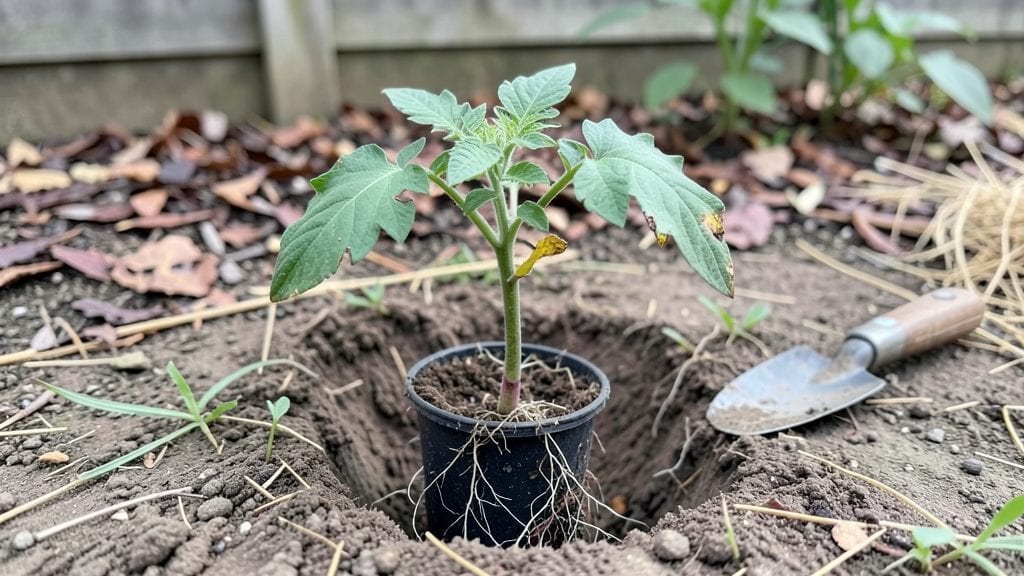
Planting seeds at the right depth for root development 🌱 is the invisible factor that decides whether your garden thrives or your effort goes to waste.
Planting seeds at the wrong depth can stunt growth, delay flowering, or even kill your seedlings—yet most gardeners guess instead of following science-backed rules. A single miscalculation can mean the difference between a lush harvest and a sad, brown patch in the soil.
In Zone 6a, where spring planting kicks off in March, getting this detail right means faster germination, stronger roots, and plants that reach maturity sooner.
The key? A simple rule: most seeds need to be buried at a depth 2-3 times their diameter, but there are exceptions you won’t believe.
Below, I’ll break down the exact depths for different seed sizes, how to adjust for soil type, and the one mistake that ruins more gardens than any other. No more guessing—just proven results for your spring planting.
How deep to plant seeds based on seed size and type
Getting the depth of planting right is one of the most overlooked steps in gardening, yet it directly impacts your seedlings' ability to reach light and water. Too shallow, and they’ll dry out before sprouting; too deep, and they’ll struggle to break through the soil.
The key lies in understanding your seed size and how it relates to root development.
Most gardeners follow a simple rule: plant seeds at a depth equal to 2-3 times their diameter. But this guideline varies wildly depending on whether you're sowing tiny seeds (like lettuce), medium seeds (like beans), or large seeds (like sunflower). Let’s break down the science-backed approach for each category.
For tiny seeds (less than 1/8 inch), like carrots or radishes, the ideal depth is just 1/4 inch. These seeds need minimal soil coverage to prevent drying out while still having enough moisture to germinate. Over-burying them can suffocate the delicate sprouts before they reach the surface.
Medium-sized seeds, such as beans, peas, or marigolds, typically range from 1/8 to 1/4 inch in diameter. These should be planted at a depth of 1/2 to 1 inch.
This depth ensures the seed has enough soil contact for moisture while allowing the sprout to push through without resistance.
Large seeds, like sunflower, beans, or corn, need more space to develop strong roots. These seeds should be planted 1 to 3 inches deep, depending on their size. For example, a sunflower seed (about 1/2 inch wide) should go 1 inch deep, while a bean seed (1/4 inch wide) might only need 1/2 inch of coverage.
Here’s a quick reference to help you visualize the ideal planting depth for different seed types:
<summary-table>| Seed Type | Seed Size | Planting Depth | Examples |
|---|---|---|---|
| Tiny Seeds | < 1/8" | 1/4" | Lettuce, Radishes, Carrots |
| Small Seeds | 1/8" - 1/4" | 1/2" | Marigolds, Basil, Spinach |
| Medium Seeds | 1/4" - 1/2" | 1" | Beans, Peas, Zucchini |
| Large Seeds | 1/2" - 1" | 1-3" | Sunflower, Corn, Pumpkin |
The root development phase is critical, and planting depth plays a huge role in how strong those roots grow. For instance, carrots and radishes need shallow planting because their roots grow downward, and burying them too deep can cause them to fork or split.
On the other hand, beans and peas benefit from slightly deeper planting to encourage strong taproots.
Another factor to consider is the moisture retention of your soil. In sandy soil, seeds need to be planted slightly deeper to retain moisture, while in clay soil, you might plant a bit shallower to prevent waterlogging.
Always adjust your depth based on your soil type and local climate conditions.
If you’re planting in containers or raised beds, keep in mind that soil dries out faster. This means you might need to plant seeds a little shallower to ensure they don’t dry out before sprouting.
For example, lettuce seeds in containers should be planted at 1/8 inch deep rather than the standard 1/4 inch.
Finally, always check the seed packet for specific instructions, as some seeds (like tomatoes or peppers) may have unique requirements. If you’re unsure, err on the side of shallower planting—you can always add more soil later as the seedlings grow.
With these guidelines, you’ll give your seeds the best chance to germinate strong and healthy, setting the stage for a thriving garden. Happy planting! 🌱
Common planting depth mistakes that stunt seedlings
Even experienced gardeners sometimes make critical errors when planting seeds, and the most common mistake is getting the depth of planting wrong. A seed planted too deep may never sprout because it lacks the energy to reach the surface, while one planted too shallow risks drying out before germination.
These oversights can turn your carefully planned garden into a disappointment.
Understanding the root development needs of different plants is key. Tiny seeds like lettuce or carrots need barely any soil cover, while larger seeds like beans or sunflowers require more depth. Without the right depth, your seedlings may struggle to establish strong roots, leading to weak growth or even death.
Another factor to consider is your soil type. Clay soils hold moisture but can suffocate roots if seeds are buried too deep, while sandy soils drain quickly and may require slightly deeper planting to retain moisture.
Adjusting for these conditions can make the difference between a thriving garden and a failed one.
⚠️
⚠️ Warning: Planting Depth Pitfalls
- Too Deep: Seeds rot from lack of oxygen or fail to sprout due to exhaustion.
- Too Shallow: Seeds dry out before germination or get washed away by rain.
- Incorrect Soil Adjustments: Heavy clay or loose sand alters ideal depth—always adjust!
Pro Tip: Use a ruler or stick to measure depth accurately—never guess!
One of the most frustrating mistakes is burying large seeds like beans or peas too deep. These seeds need enough soil to anchor their roots but not so much that they suffocate.
A good rule of thumb is to plant them 2-3 times their diameter deep. For example, a 1/2-inch bean seed should go 1 inch deep.
On the flip side, tiny seeds like marigolds or basil should barely be covered—often just pressed into the soil or covered with a thin layer of vermiculite. Over-burying them can prevent them from ever breaking through the soil surface, leaving you wondering why they didn’t sprout.
Soil type plays a surprisingly large role in determining the right depth. In clay soil, which compacts easily, seeds should be planted slightly shallower to avoid suffocation.
In contrast, sandy soil, which drains quickly, may require seeds to be planted a bit deeper to retain moisture and encourage root growth.
To avoid these common mistakes, always check the seed packet for specific instructions, and when in doubt, err on the side of shallower planting. With the right depth, your seedlings will have the best chance to grow strong and healthy, giving you the thriving garden you’ve dreamed of. 🌿