
Companion Plants
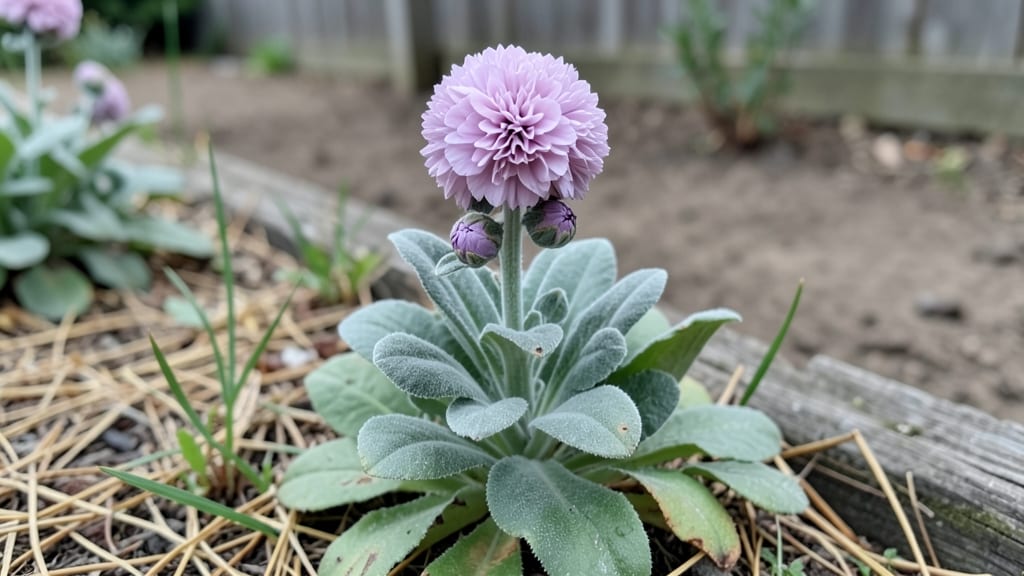
Double dianthus plants bring shockingly lush color and fragrance to gardens that other flowers can't match. 🌿 I’ve grown them for years, and they’ve never failed to deliver—bold blooms from spring through fall, plus that sweet, clove-like scent that keeps pests away.
The secret lies in their layered petals and hardy nature, which makes them stand out from single-flowered varieties.
These plants thrive in well-draining soil and full sun, but they’re tough enough to handle partial shade if needed. Most varieties bloom nonstop with minimal fuss, though deadheading spent flowers keeps them producing.
For fragrant, pest-repelling blooms, just plant them near roses or veggies—they’ll work as both a pretty border and a natural deterrent.
By summer’s end, you’ll have a vibrant, low-maintenance display that outlasts most annuals. The double blooms create a fuller look than single types, and their resistance to deer and rabbits makes them a gardener’s secret weapon. With the right care, they’ll reward you with color for years.
Perfect for borders, containers, or rock gardens—these plants adapt easily. Whether you’re a beginner or a seasoned grower, double dianthus delivers effortless beauty with minimal work. Let’s get them planted right!
📚 In This Guide
- What you need
- Instructions
- Tips and common mistakes
- Wrapping up and next steps
What you need
- ● Double dianthus seeds or plants: Choose Dianthus caryophyllus (carnation) or Dianthus barbatus (sweet William) varieties labeled as "double" for fuller blooms. Buy from a reputable nursery or seed supplier.
- ● Well-draining potting mix or garden soil: Aim for a blend with 50-70% perlite or sand to prevent root rot (e.g., 2 parts potting soil + 1 part perlite). For containers, use a 10-12 inch pot with drainage holes.
- ● Organic fertilizer: A balanced 10-10-10 or 5-10-10 formula (e.g., fish emulsion or compost tea) to encourage lush growth.
- ● Mulch: 1-2 inches of organic mulch (e.g., straw or shredded bark) to retain moisture and suppress weeds.
- ● Watering can or hose with a gentle spray nozzle: Dianthus prefers moderate moisture—avoid soggy soil.
- ● Gloves and knee pads: For comfortable planting and weeding.
- ● Hand trowel or small shovel: For transplanting seedlings or dividing mature plants.
- ● Pruning shears: To trim dead blooms and encourage new growth.
- ● Sunlight access: Full sun (6+ hours/day) is critical—choose a south- or west-facing spot.
- ○ Optional but helpful: Pest control: Neem oil spray (for aphids or spider mites).
- ● Companion plants: Marigolds or lavender to enhance pest resistance.
- ● Slow-release fertilizer tablets (e.g., Osmocote) for convenience.
How to grow double dianthus for season-long fragrance and pest control
Here's the foolproof method I've used for years to grow lush, fragrant double dianthus that thrive through summer heat and winter chill.
🌱 Step 1: Select the Right Varieties and Planting Time
Choose double-flowered dianthus varieties like 'Firewitch' or 'Superb' for their abundant blooms and intense fragrance. These plants prefer full sun—at least 6-8 hours daily—and well-draining soil. I plant mine in early spring (after the last frost) or late summer for fall blooms, as they establish roots quickly in cooler weather.
If you're starting from seed, sow indoors 8-10 weeks before the last frost—dianthus seeds germinate slowly and need warmth. Use sterile seed-starting mix to prevent damping-off, and keep the soil consistently moist but never soggy. You'll see tiny sprouts in 2-4 weeks, but be patient—they grow slowly at first.
🪴 Step 2: Prepare Soil and Plant with Proper Spacing
Dianthus hates wet feet, so amend heavy soil with coarse sand or perlite to improve drainage. Mix in compost for nutrients, but avoid fresh manure—it can burn tender roots. Dig holes twice as wide as the root ball but only as deep as the container they came in, since dianthus roots are shallow.
Space plants 12-18 inches apart—they spread slowly but need room to mature. If planting in containers, use pots at least 8 inches deep with drainage holes. Water deeply after planting to settle the soil, but avoid overwatering, which can cause root rot. You'll know the roots are happy when new growth appears within 2-3 weeks.
☀️ Step 3: Provide Sun and Water for Continuous Blooms
Place dianthus in the sunniest spot in your garden—morning sun with afternoon shade works in hot climates, but they thrive in full sun in cooler regions. Mulch around the base with 2-3 inches of gravel or pine bark to keep roots cool and retain moisture without suffocating the plants.
Water deeply once a week (or more in extreme heat) until the top 2 inches of soil feel dry. Dianthus are drought-tolerant once established, but they reward consistent moisture with longer blooming seasons. Deadhead spent flowers regularly to encourage more blooms—you'll see a flush of new flowers within 3-5 days after pruning.
✂️ Step 4: Prune and Fertilize for Year-Round Growth
After the first flush of blooms, trim back stems by one-third to promote bushier growth. I use clean, sharp pruners to make cuts just above a set of leaves, which encourages new shoots. Fertilize lightly with a balanced, water-soluble fertilizer (10-10-10) every 4-6 weeks during the growing season—too much nitrogen reduces flowering.
In late fall, cut back stems to 2-3 inches tall and mulch heavily to protect roots from freezing. Dianthus are perennial in USDA zones 5-9, but in colder areas, they may die back to the ground. They'll bounce back in spring with minimal care—just remove dead foliage and water lightly until new growth appears.
💧 Step 5: Protect from Pests and Diseases Naturally
Dianthus are naturally pest-resistant, but aphids and spider mites may appear. Spray plants with neem oil (mixed at 1 tablespoon per quart of water) to deter pests without harming beneficial insects. I apply it in the early evening to avoid burning foliage in the sun.
If you notice powdery mildew (a white, dusty coating on leaves), improve air circulation by spacing plants farther apart and avoid overhead watering. Remove affected leaves immediately—this keeps the plant healthy and prevents the fungus from spreading. With proper care, your dianthus will reward you with fragrant blooms from spring to frost.
Tips & tricks for perfect double dianthus blooms
These insider strategies will help you cultivate double dianthus that burst with fragrance and resist pests like a seasoned gardener's dream.
Variety Selection Matters: While 'Firewitch' and 'Superb' are my top picks for their abundant double blooms, consider 'Ruby Glow' for its deep magenta flowers or 'Cinderella' for its delicate pink hues. The double-flowered varieties produce more petals but may require slightly more sunlight—aim for that full 6-8 hours daily to maintain their vibrant color and intense fragrance. I've found that container-grown dianthus actually thrive with morning sun and afternoon shade in hotter climates, preventing leaf scorch while still producing prolific blooms.
Seed Starting Secret: When sowing those tiny dianthus seeds 8-10 weeks before last frost, I recommend using a heat mat set to 70-75°F to speed up germination. The seeds need warmth to break dormancy, and this can cut your 2-4 week waiting period by nearly half. Once sprouts appear, maintain consistent moisture—bottom watering with a spray bottle prevents disturbing the delicate seedlings while keeping them hydrated. Trust me on this: the patience pays off with those first fragrant blooms.
Soil Science: The coarse sand or perlite amendment isn't just about drainage—it creates the perfect air pockets dianthus roots crave. I mix in one part perlite to three parts native soil for my heavy clay garden beds, which prevents that dreaded "wet feet" condition. Pro tip: Test your soil's pH—dianthus prefer slightly alkaline conditions (around 6.5-7.0). If your soil tests acidic, add a handful of crushed limestone to the planting hole to create the ideal growing environment.
Pruning Precision: When you trim back stems by one-third after the first flush of blooms, always make your cuts just above a set of leaves using clean, sharp pruners. This encourages bushier growth from those leaf axils. For container plants, I find that pinching back the tips of new growth by 1/4 inch every 4-6 weeks during the growing season promotes even more compact, flowering stems. The key is to never remove more than one-third of the plant at once—this prevents shock and maintains continuous blooming.
Pro Tips for Double Dianthus Plants
- These insider strategies will help you cultivate double dianthus that burst with fragrance and resist pests like a seasoned gardener's dream.
- Variety Selection Matters: While 'Firewitch' and 'Superb' are my top picks for their abundant double blooms, consider 'Ruby Glow' for its deep magenta flowers or 'Cinderella' for its delicate pink hues.
- Seed Starting Secret: When sowing those tiny dianthus seeds 8-10 weeks before last frost, I recommend using a heat mat set to 70-75°F to speed up germination.
Frequently asked questions
Got questions about growing double dianthus plants?
Here are some of the most common ones—plus quick, practical answers to help you keep your garden blooming beautifully all year.
Can double dianthus grow in containers?
Double dianthus thrives in containers as long as the pot has drainage holes and is at least 6–8 inches deep. Use well-draining potting mix and place them in partial sun (4–6 hours of light daily). Just keep an eye on moisture—containers dry out faster than garden beds.
When is the best time to plant double dianthus?
The ideal time is early spring (after the last frost) or late summer (6–8 weeks before the first frost). This gives roots time to establish before extreme temperatures. For year-round blooms, stagger plantings every 4–6 weeks—this ensures continuous color!
Are double dianthus plants pest-resistant?
Yes! Their strong fragrance naturally deters pests like aphids, slugs, and deer. However, thrips or whiteflies can still appear. If needed, spray with neem oil or introduce ladybugs—a gentle, eco-friendly solution.
What’s the best companion plant for double dianthus?
Pair them with lavender (repels pests), roses (improves bloom longevity), or salvia (attracts pollinators). Avoid planting near mint or fennel, as they can stunt dianthus growth due to competitive root systems.
How do I overwinter double dianthus in cold climates?
In zones 5–7, cut back foliage to 2 inches and mulch heavily (3–4 inches) with straw or shredded leaves. For zones below 5, dig up plants, trim roots, and store in a cool, dry place (like a garage) until spring. Replant after the last frost!
Pro Tip: Deadhead spent blooms regularly to encourage nonstop flowering and prevent seed formation. Use clean pruners and trim just above a set of leaves!
Wrapping up and next steps
Growing double dianthus plants is a rewarding way to add vibrant color, delightful fragrance, and natural pest control to your garden—all year long! 🌸 These hardy perennials thrive with minimal fuss, making them perfect for beginners and seasoned gardeners alike.
Whether you’re planting them as borders, in containers, or alongside other companion plants, their cheerful blooms and pest-repelling properties will elevate your outdoor space effortlessly.
Ready to transform your garden? Start by selecting your favorite varieties, gathering your supplies, and following the simple steps outlined above. Your fragrant, pest-free oasis awaits—get planting today! 🌿✨