
Companion Plants
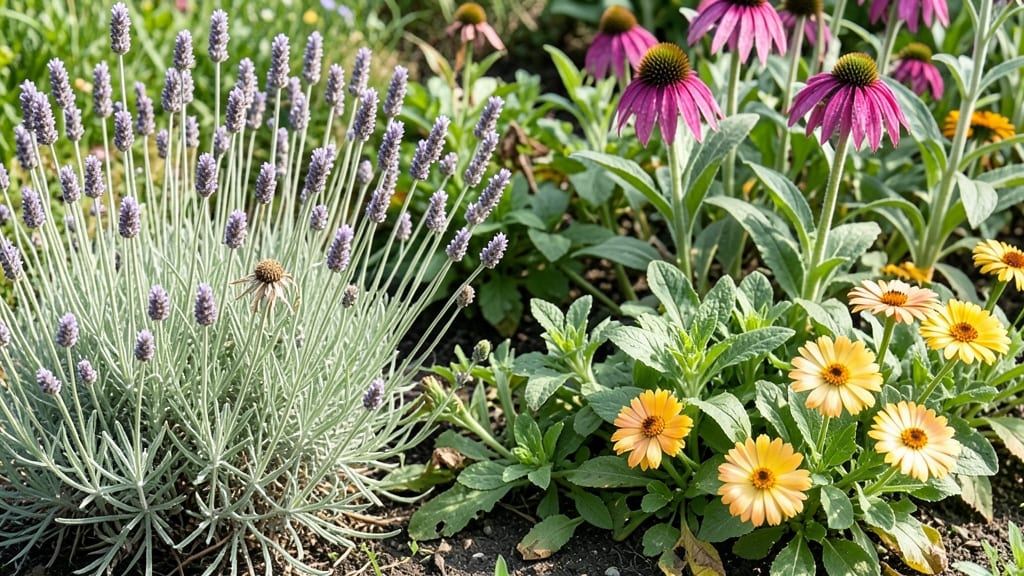
Garden live plants year-round isn’t just possible—it’s easier than you think with the right approach. ✨ I’ve kept my garden bursting with color and life through every season by mastering three simple trims that refresh plants and encourage new growth when they need it most.
Start with healthy plants—look for vibrant leaves, sturdy stems, and roots that aren’t tangled or mushy. Most live plants thrive with basic care: well-draining soil, consistent watering, and sunlight tailored to their needs.
Herbs like rosemary love full sun, while ferns prefer shade and moist soil. Transplanting is easiest in cooler months, so plan ahead for spring or fall moves.
By trimming back leggy growth in early spring, pinching back flowers in summer, and cutting back dead stems in fall, you’ll keep plants compact, productive, and ready for the next season. The results? A garden that stays lush, fragrant, and full of life no matter what the calendar says.
This works for everything from annual flowers to shrubs—just adjust the timing based on your climate. Let’s get those plants thriving all year long!
📚 In This Guide
- What you need
- Instructions
- Tips and common mistakes
- Wrapping up and next steps
What you need
- ● Live plants: 3-5 hardy, fast-growing varieties (e.g., Hosta, Heuchera, or Sedum). Choose 3-6 plants per section for balanced growth.
- ● Potting soil: 10-15 gallons of well-draining, organic-rich mix (e.g., Miracle-Gro Potting Mix or homemade blend: 60% peat moss, 30% perlite, 10% compost).
- ● Containers or garden beds: Containers: 3-5 12-18" diameter pots with drainage holes (terracotta or fabric grow bags work best).
- ○ Garden beds: A 4’x4’ section per plant group with raised edges (optional but recommended for drainage).
- ● Mulch: 5-10 bags of organic mulch (e.g., shredded bark or straw) to retain moisture and suppress weeds.
- ● Pruning shears: 1 pair of sharp, bypass-pruners (e.g., Felco or Fiskars) for clean cuts.
- ● Garden gloves: 1 pair of durable, breathable gloves (e.g., Wolverine or Fox River).
- ● Trowel or spade: 1 stainless-steel hand trowel for transplanting or a round-point spade for larger beds.
- ● Watering can or hose: A 2-gallon watering can with a rose attachment or a soaker hose for deep watering.
- ● Measuring tape: 1 10-foot tape measure for spacing plants evenly.
- ● Slow-release fertilizer: 1-2 granular or spike fertilizers (e.g., Osmocote or Jobe’s Organics) for seasonal boosts.
- ● Plant supports: 3-5 bamboo stakes or tomato cages for taller plants (e.g., Salvia or Rudbeckia).
- ● Compost tea: 1 gallon of homemade or store-bought compost tea for a nutrient kick.
- ● Plant labels: 20-30 reusable or biodegradable labels (e.g., plant markers or popsicle sticks).
- ○ Sunlight meter: 1 digital light meter to track sunlight exposure (optional but handy for fussy plants!).
Step-by-step guide to year-round live plant care
Here’s how to keep your garden thriving through all seasons with simple seasonal adjustments.
🌱 Step 1: Spring – Refresh and Revitalize
Start by removing any dead or damaged foliage from last season. Grab your pruning shears and trim back any leggy growth to encourage new, bushier stems. This is also the time to fertilize—apply a balanced, slow-release fertilizer to give your plants the nutrients they need for explosive spring growth.
Check the soil moisture by sticking your finger about 1 inch deep. If it feels dry, water deeply until it’s evenly moist. Mulch around the base with 2-3 inches of organic material to retain moisture and suppress weeds. This step is all about waking up your plants after winter dormancy.
☀️ Step 2: Summer – Maintain and Protect
During the heat of summer, focus on keeping your plants hydrated. Water in the early morning to reduce evaporation and fungal risks. Aim for 1-1.5 inches of water per week, adjusting based on rainfall. If you notice wilting or heat stress, provide afternoon shade with a light cloth or move potted plants to a shadier spot.
Watch for pests like aphids or spider mites—treat them immediately with neem oil or insecticidal soap. Prune any dead or overgrown branches to improve airflow and prevent disease. This is also the time to harvest regularly to encourage continued growth.
✂️ Step 3: Fall – Prepare for Dormancy
As temperatures drop, reduce watering gradually to prepare plants for dormancy. Trim back any dead or diseased foliage, but leave most of the structure intact. Apply a winter mulch (like straw or shredded leaves) around the base to insulate roots and protect against frost.
If you’re growing tender perennials or tropical plants, move them indoors or to a sheltered location before the first frost. For hardy plants, simply reduce fertilizer and let them enter a natural rest period. This step ensures your plants survive the cold and return stronger in spring.
⏰ Step 4: Winter – Monitor and Adjust
In colder climates, check on your plants weekly for signs of frost damage or pests. If you’re growing in containers, bring them indoors or wrap them in burlap for extra protection. Water sparingly—only enough to keep the soil from drying out completely.
This is the perfect time to plan your spring garden layout. Prune any remaining dead growth and take notes on what worked (or didn’t) during the growing season. A little winter care now means a head start when spring arrives.
Tips & tricks for perfect year-round plant care
Between us, keeping live plants thriving all year takes more than just watering. Here are the small details that make a big difference in your garden's health and growth.
The Pruning Technique: When trimming leggy growth in spring, cut just above a leaf node or bud—not too close, not too far. I learned this the hard way after snipping too close and losing potential growth points. Use clean, sharp pruning shears to avoid tearing stems, which can invite disease. For larger branches, make angled cuts to prevent water from pooling.
Seasonal Watering Wisdom: That 1-1.5 inch weekly target in summer is your baseline, but don't rely on it blindly. Stick your finger 1 inch deep—if the soil feels dry at that depth, water thoroughly. In containers, you'll need to water more frequently since they dry out faster. I've seen plants suffer from both underwatering and overwatering, so always check before watering.
Mulch Matters: The 2-3 inch layer of organic mulch in spring isn't just decoration—it's a moisture and temperature regulator. Spread it evenly around the base (but not touching the stems) to prevent rot. In fall, switch to a thicker winter mulch layer (3-4 inches) to provide extra insulation. I use shredded leaves because they break down slowly and add nutrients to the soil.
Pest Prevention Strategy: Don't wait until you see pests to act. Regularly inspect leaves on the undersides where pests love to hide. For early detection, I use a handheld magnifying glass—it's worth the small investment. If you spot pests, act immediately with neem oil or insecticidal soap, and repeat treatments every 5-7 days for stubborn infestations. Prevention is always easier than cure.
Pro Tips for Garden Live Plants
- Between us, keeping live plants thriving all year takes more than just watering.
- The Pruning Technique: When trimming leggy growth in spring, cut just above a leaf node or bud—not too close, not too far.
- Seasonal Watering Wisdom: That 1-1.5 inch weekly target in summer is your baseline, but don't rely on it blindly.
Frequently asked questions
Got questions about keeping your garden live plants thriving year-round? Here are some of the most common ones—and their easy answers!
How often should I trim my live garden plants for year-round growth?
Trim your live plants every 4-6 weeks during active growing seasons (spring and summer) to encourage bushier, healthier growth. In fall and winter, reduce trimming to once every 2-3 months or only when you notice overgrowth. Always use clean, sharp shears to avoid damaging the plant.
Can I keep live garden plants alive indoors during winter?
Move tender plants indoors before the first frost, placing them near a south-facing window for natural light. If light is limited, supplement with a grow light 12-14 hours daily. Reduce watering—soil should stay lightly moist but not soggy—and avoid drafts. Hardy plants like boxwoods or lavender can often stay outside with extra mulch.
Why are my live plants turning yellow or brown after trimming?
Yellowing or browning can happen if you’re over-trimming (cutting into old wood) or underwatering. Check these fixes:
- Trim just above a leaf node or bud (never at a sharp angle).
- Water deeply but infrequently—aim for 1-1.5 inches per week.
- Fertilize lightly with a balanced formula (10-10-10) after trimming to support recovery.
What’s the best alternative if I don’t have time for seasonal trims?
Opt for low-maintenance live plants like rosemary, thyme, or ornamental grasses—they thrive with minimal pruning. For shrubs, choose slow-growing varieties like dwarf boxwood or abelia. If you’re short on time, hire a local gardener for seasonal cleanups or use floral wire to shape plants without shears.
When is the best time to start trimming for spring blooms?
Trim late winter or early spring (just as new growth begins) to shape plants and encourage vibrant blooms. Avoid heavy trimming in fall—this can stimulate tender new growth that won’t survive frost. For flowering plants, cut back after blooming to redirect energy to next season’s flowers.
Wrapping up and next steps
Transforming your garden into a thriving, year-round oasis is simpler than you think! By mastering three seasonal trims—spring renewal, summer shaping, and fall cleanup—you’ll keep your live plants vibrant, healthy, and full of life.
Whether you’re a seasoned gardener or just starting, these techniques ensure your garden stays lush and dynamic through every season.
Ready to take the next step? Start small: pick one plant to practice your trimming skills, observe its growth, and adjust your approach. Before you know it, your garden will be the envy of the neighborhood! 🌱✨