
Companion Plants
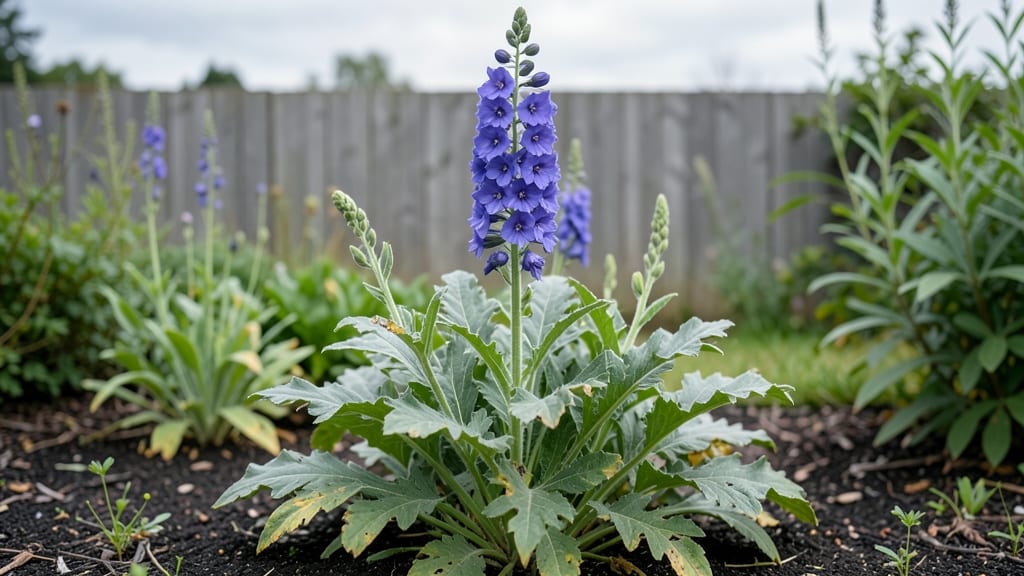
Growing giant delphinium plants means adding 12-foot-tall blue spires to your garden that hummingbirds can't resist. 🌿 I planted mine last spring after years of admiring them in catalogs—and now they're the star of my cottage garden borders.
The secret isn't complicated: these drought-resistant beauties just need the right soil, spacing, and a little patience for their first year.
Start with well-draining soil mixed with compost, and plant crowns 4-6 inches deep with 3 feet between plants—they need room to spread. Full sun is non-negotiable, but once established, they'll handle dry spells better than most perennials.
The key is keeping them moist during their first growing season, then backing off once they're settled.
By summer, you'll have those dramatic flower stalks shooting up, each one packed with 100+ blooms that last for weeks. The blue-green foliage stays lush even in heat waves, and the plants multiply over time—just divide clumps every 3-4 years to keep them vigorous.
These aren't just flowers; they're the backbone of a cottage garden.
Works perfectly in borders, cutting gardens, or as dramatic back-of-the-bed accents. The only real mistake? Planting too many at once—start with 3-5 plants to test your soil and sunlight before going all-in. Once you see them thriving, you'll want them everywhere.
📚 In This Guide
- What you need
- Instructions
- Tips and common mistakes
- Wrapping up and next steps
What you need
- ● Giant Delphinium Seeds or Plants: Seeds: 10–20 seeds (for a full display) or 1–2 plants (for a statement piece)
- ● Varieties: Look for Delphinium elatum or Delphinium grandiflorum (taller, showier types)
- ● Well-Draining Soil: 1–2 bags of garden loam (for structure)
- ● 1 bag of sand or perlite (to prevent root rot)
- ● 1–2 cups of compost (for nutrients)
- ● Sunlight: A full-sun spot (6+ hours/day)—no compromises!
- ● Watering Can or Hose: With a gentle spray nozzle (delphiniums hate soggy roots!)
- ● Stakes or Trellis: 3–5 6-foot bamboo stakes or a metal trellis (to support their towering height!)
- ● Pruners: Sharp, bypass pruners (for deadheading and shaping)
- ● Garden Gloves: Heavy-duty to protect from thorny stems!
- ● Mulch: 2–3 inches of straw or wood chips (to retain moisture)
- ● Slow-Release Fertilizer: 1–2 applications of 10-10-10 or phosphorus-rich fertilizer (for blooms!)
- ● Drought-Resistant Additions: Drip irrigation system (for consistent watering)
- ● Reflective mulch (to deter pests)
- ● 🌡️ Start seeds indoors 8–10 weeks before last frost—giant delphiniums hate transplant shock!
- ● Test soil pH (6.0–7.0)—they thrive in slightly acidic to neutral conditions.
- ● Deadhead spent blooms to encourage non-stop summer flowers!
Step-by-step instructions for cultivating giant delphinium plants
Here’s how to grow these striking, drought-tolerant giants with minimal fuss—just follow these key steps.
🌱 Step 1: Select and Prepare the Planting Site
Giant delphiniums thrive in full sun (at least 6-8 hours daily) and well-draining soil. Choose a spot with 6+ inches of loose, fertile soil—they hate soggy roots. If your soil is heavy clay, mix in 3 gallons of compost per 4-square-foot area to improve drainage.
Test soil pH before planting—delphiniums prefer 6.5-7.5. If your soil is too acidic, work in 1 cup of garden lime per 10-square-foot area and mix it in 2-3 weeks before planting. Avoid fresh manure; it can burn delicate roots.
💧 Step 2: Plant Delphinium Starts at the Right Depth
Dig holes twice as wide as the root ball but no deeper—planting too deep suffocates stems and encourages rot. Space plants 2-3 feet apart for mature size (they’ll reach 4-6 feet tall). Gently loosen roots if they’re circling in the container before placing them in the hole.
Backfill with soil, firming lightly around the base to eliminate air pockets. Water deeply immediately after planting to settle soil and encourage root contact. Mulch with 2 inches of shredded bark to retain moisture and suppress weeds—just keep mulch 6 inches away from stems to prevent rot.
☀️ Step 3: Provide Consistent Water and Fertility
Water deeply once weekly (or more in 90°F+ heat) to encourage deep root growth. Let the top 2 inches of soil dry between waterings—overwatering leads to floppy stems and fungal issues. Use a drip irrigation system if possible; overhead watering can spread disease.
Fertilize once in early spring with a balanced 10-10-10 formula (use 1 tablespoon per plant). Avoid high-nitrogen feeds after flowering—it promotes leafy growth at the expense of blooms. Deadhead spent flowers weekly to redirect energy into new stems.
✂️ Step 4: Prune and Support for Maximum Height
Install 3-foot tall stakes or a strong trellis at planting to support their towering growth. Delphiniums are top-heavy—without support, they’ll flop in wind or rain. Tie stems to stakes with soft plant ties every 12 inches as they grow.
Cut back one-third of the foliage in late summer (after blooming) to encourage a second flush of flowers. Remove only the oldest stems—you’ll still see new growth from the base. In fall, cut back stems to 6 inches tall and add 2 inches of mulch to protect roots from freeze-thaw cycles.
⏰ Step 5: Overwinter for Repeat Blooms
Delphiniums are perennial in USDA zones 3-8—with proper care, they’ll return for years. In zones 3-5, mound 6 inches of straw mulch over the crown in late fall to insulate roots. In zones 6-8, a 3-inch layer of shredded leaves suffices.
Resist the urge to prune until early spring—leaving foliage over winter protects the crown from temperature swings. When new shoots emerge in late winter, trim back old growth to 2 inches tall and fertilize lightly with 5-10-10 to jumpstart growth.
Tips & tricks for perfect giant delphinium cultivation
Here's what I've learned from years of growing these majestic plants—common pitfalls and how to sidestep them completely.
Sunlight Strategy: Those 6-8 hours of full sun are non-negotiable, but here's the thing: morning sun with afternoon shade works best in hotter climates. In 90°F+ heat, afternoon shade prevents leaf scorch while maintaining flower production. I've seen plants wilt dramatically when exposed to full afternoon sun in summer—trust me on this.
Soil Preparation Secret: The 3 gallons of compost per 4-square-foot area is crucial, but don't stop there. Mix in 1 cup of perlite per 4-square-foot area to create air pockets—delphiniums hate compacted soil. I learned this the hard way after three seasons of stunted growth in my heavy clay soil. The roots need that oxygen!
Watering Wisdom: That weekly deep watering rule changes dramatically during 90°F+ heat. In extreme heat, I water every 4-5 days instead of weekly, but I always check the top 2 inches of soil first. The key is letting that top layer dry—this prevents fungal issues while keeping roots hydrated. Overwatering is the #1 cause of floppy stems in my garden.
Support System: Those 3-foot tall stakes are essential, but I've found bamboo stakes work better than metal ones—they're gentler on stems when tying. Install them immediately at planting, not after the plant grows tall. I've seen plants snap under wind when stakes were added late. Also, use soft plant ties—nylon strips can cut into stems as they grow.
Pro Tips for Giant Delphinium Plants
- Here's what I've learned from years of growing these majestic plants—common pitfalls and how to sidestep them completely.
- Sunlight Strategy: Those 6-8 hours of full sun are non-negotiable, but here's the thing: morning sun with afternoon shade works best in hotter climates.
- Soil Preparation Secret: The 3 gallons of compost per 4-square-foot area is crucial, but don't stop there.
Frequently asked questions
Got questions about growing giant delphinium plants? You’re not alone! Here are answers to the most common queries to help you cultivate these stunning, drought-resistant beauties with confidence.
How tall do giant delphiniums really grow?
Giant delphiniums (like Delphinium elatum) can reach 4 to 6 feet tall—or even taller in ideal conditions! Their towering spikes make them perfect for the back of borders or as dramatic cut flowers. Stake them early to prevent flopping, especially in windy areas.
When is the best time to plant giant delphiniums?
Plant them in early spring or fall for the best results. Avoid summer heat, which can stress young plants. If transplanting, water deeply before and after to reduce shock. Pro tip: Mix compost into the soil to give them a nutrient boost right away!
How often should I water giant delphiniums?
These drought-tolerant plants thrive on infrequent, deep watering—about once a week in dry spells, but less in cooler weather. Overwatering can lead to root rot, so ensure well-draining soil. Mulch around the base to retain moisture and suppress weeds.
What pests or diseases should I watch for?
Giant delphiniums are generally low-maintenance, but keep an eye out for aphids, slugs, and powdery mildew, especially in humid climates. Spray with neem oil for pests or improve airflow to prevent fungal issues. Pro tip: Deadhead spent blooms to encourage more flowers and reduce disease risk!
Can I grow giant delphiniums in containers?
Yes! Choose a large pot (at least 12 inches deep) with drainage holes and use a well-draining potting mix. Dwarf varieties like ‘Black Night’ work best in containers. Place them in full sun and water consistently, as pots dry out faster than garden soil.
Wrapping up and next steps
Growing giant delphinium plants is a rewarding journey that brings bold color and drought-resistant charm to your garden. With the right soil, sunlight, and care, these towering beauties will thrive and become a stunning focal point.
Now that you’re equipped with all the tips and answers, it’s time to roll up your sleeves and plant your own delphinium paradise! 🌸
Start small—whether it’s a single plant or a cluster—and watch your garden transform. Need more inspiration? Explore companion plants like lavender or catmint to create a cohesive, low-maintenance landscape that wows year after year!