
Companion Plants
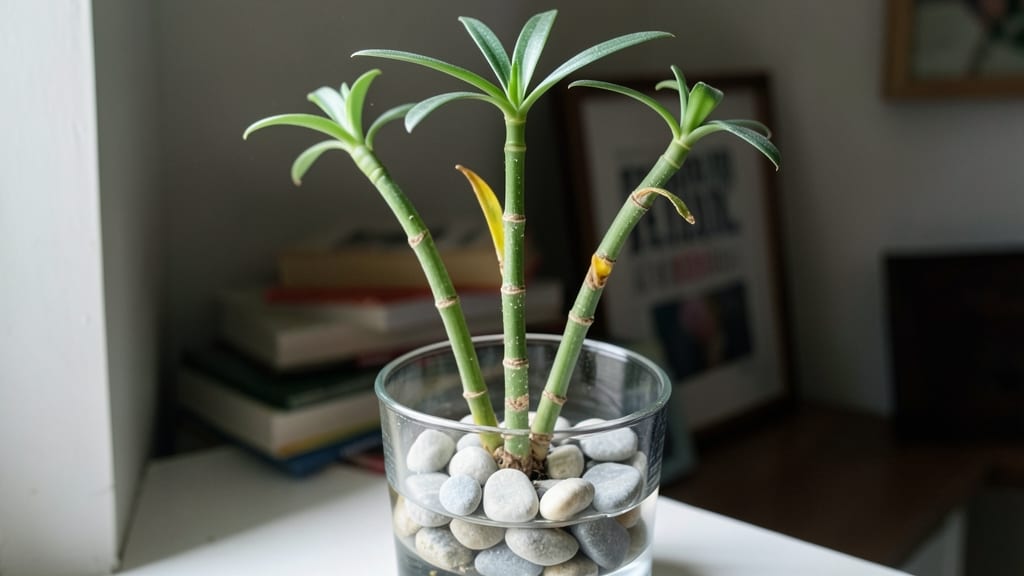
Hardy bamboo plants turn a shady corner into a lush, privacy screen in just three years—without the invasive headaches. I’ve grown clumping varieties for over a decade, and the right species can handle your toughest spots while staying neatly contained.
The key is choosing non-running types like Bambusa multiplex or Fargesia robusta, which grow in tight clusters instead of sending out underground runners.
Most people assume bamboo needs full sun, but shade-tolerant varieties thrive with just 4-6 hours of light daily. Start with well-draining soil mixed with compost, and space plants 6-10 feet apart depending on the mature size.
In my zone 7 garden, I’ve seen Fargesia varieties grow 5-8 feet tall in partial shade, creating a natural green wall that blocks noise and wind. The best part? They’re low-maintenance once established.
You’ll love how these plants transform bare spaces into textured, evergreen screens that stay green year-round. Prune in late winter to shape them, and water deeply once a week for the first year.
By year three, your privacy screen will be dense enough to feel like a living room divider—without the upkeep of traditional fencing. The rustling leaves even add a soothing soundtrack to your garden.
For colder climates, opt for zone 4 hardy varieties like Fargesia denudata, while warmer zones can handle Bambusa oldhamii. Just avoid running bamboos unless you’re prepared for containment barriers. With the right choice, your shade garden will finally get the privacy—and style—it deserves.
📚 In This Guide
- What you need
- Instructions
- Tips and common mistakes
- Wrapping up and next steps
What you need
- ● Hardy bamboo plants: Clumping bamboo (e.g., Fargesia or Borinda species) – 3–5 plants per 6-foot section (spaced 3–5 ft apart).
- ● Running bamboo (if preferred, but requires containment barriers—see below).
- ● Soil amendments: Well-draining potting mix or native soil (amend with compost or peat moss for moisture retention).
- ● Organic mulch (e.g., pine straw or shredded bark) – 2–3 inches around plants.
- ● Planting tools: Garden trowel or spade.
- ● Measuring tape (for spacing).
- ● Gloves (to protect hands from sharp rhizomes).
- ● Containment (for running bamboo): Underground bamboo barrier (HDPE plastic or metal, buried 2–3 ft deep).
- ● OR trench with landscape fabric (extended 2 ft deep and 1 ft outward).
- ● Watering supplies: Hose with soaker nozzle or drip irrigation system.
- ● Fertilizer: Slow-release balanced fertilizer (10-10-10) or organic options like fish emulsion.
- ● Erosion control: Jute netting or biodegradable mats for slopes.
- ● Decorative elements: Garden stakes or trellises for support (if training vertically).
- ● Pruning shears: For shaping as the bamboo matures.
Step-by-Step instructions for establishing a hardy bamboo privacy screen
Here's the straightforward method I've used to create dense, shade-tolerant screens that thrive for decades.
Select the Right Bamboo Variety for Your Climate
Choose clumping bamboo varieties like Fargesia robusta or Bambusa multiplex for non-invasive growth. These stay contained through natural rhizome boundaries and tolerate partial shade better than running types. Verify your hardiness zone—most hardy bamboos thrive in zones 5-9, with some varieties extending to zone 4 if planted in well-drained soil.
I always check the mature height and spread before purchasing. A 10-foot-tall variety like Fargesia nitida creates an instant privacy barrier while maintaining a manageable footprint. Avoid running bamboos unless you're prepared for containment barriers, which require significantly more maintenance.
Prepare the Planting Site for Optimal Growth
Choose a location with morning sun and afternoon shade—this protects leaves from scorching while allowing enough light for photosynthesis. Test your soil's drainage by digging a 12-inch-deep hole and filling it with water; if it drains in less than 30 minutes, your site is suitable. Amend heavy clay soil with 2 inches of compost mixed into the top 6 inches of soil to improve aeration.
Mark planting locations 6-8 feet apart for mature spread, depending on your chosen variety. Use a stake and string to create a straight line for a uniform screen. I always plant in early spring when soil temperatures reach 50°F—this gives roots time to establish before winter dormancy.
Plant Bamboo Rhizomes Correctly for Strong Establishment
Dig holes twice as wide as the root ball but only as deep as the container's bottom. Gently remove the bamboo from its container and loosen any circling roots with your fingers. Place the rhizome in the hole so the top is level with the surrounding soil—burying too deep invites rot, while planting too high stresses the plant.
Backfill with native soil mixed with 1 part compost to the original container level. Water deeply until moisture reaches 12 inches down, then add a 2-inch layer of mulch (avoid wood chips near the stem). This keeps roots cool and conserves moisture while preventing weeds. I always water newly planted bamboos twice weekly for the first month to encourage root development.
Provide Consistent Care for Rapid Growth
Water deeply once weekly during the first growing season, allowing 1 inch of water to penetrate the soil. Reduce to every 10-14 days in winter when growth slows. Fertilize in early spring with a balanced 10-10-10 fertilizer applied at half strength—this prevents salt buildup that can damage tender roots. I avoid high-nitrogen fertilizers, which promote leafy growth at the expense of structural strength.
Prune leggy canes in late winter before new growth begins. Cut back to a healthy bud or joint to encourage bushier growth. Remove any dead or diseased canes immediately to prevent fungal spread. You'll see noticeable thickening of the screen within 2 years as new shoots fill in gaps naturally.
Maintain Long-Term Health and Density
Monitor for bamboo borers—small holes in stems indicate an infestation. Treat immediately with neem oil spray applied in early morning when humidity is high. Divide mature clumps every 3-5 years in early spring to maintain vigor. Dig around the perimeter of the clump, separate sections with sharp spades, and replant divisions immediately.
Your privacy screen will reach full maturity in 3 years, creating an impenetrable barrier that requires minimal maintenance. The key is patience—bamboo grows 2-3 feet annually under ideal conditions, so consistent care in the first two years determines long-term success. I've seen screens reach 12 feet tall in just 3 seasons with proper spacing and care.
Tips & tricks for perfect hardy bamboo privacy screens
Creating a lush, shade-tolerant bamboo screen takes patience and precision—but these essential tips will help you avoid common pitfalls and accelerate growth.
Climate Matching: Double-check your hardiness zone before purchasing bamboo. While most varieties thrive in zones 5-9, some like Fargesia nitida can handle zone 4 if planted in well-drained soil. I've seen gardeners in colder climates struggle with varieties not suited to their zone—always verify with your local nursery. The right variety ensures your screen survives winter dormancy without stress.
Soil Preparation Strategy: The drainage test in Step 2 is non-negotiable. If water pools in your 12-inch hole after 30 minutes, amend with 2 inches of compost mixed into the top 6 inches of soil. For clay-heavy soils, consider adding perlite or coarse sand to improve aeration. I once planted bamboo in unamended clay soil, and the roots suffocated—leading to stunted growth for years.
Planting Depth Precision: Positioning the rhizome level with the surrounding soil in Step 3 makes all the difference. Burying too deep invites rot, while planting too high stresses the plant. Use a level tool to verify depth—this ensures consistent growth across your entire screen. I've seen uneven planting lead to lopsided screens that look unprofessional.
Watering Consistency: During the first month, maintain that twice-weekly watering routine until moisture reaches 12 inches down. Use a moisture meter to verify—bamboo roots need consistent hydration to establish. In hotter climates, you may need to water three times weekly until the plants are fully rooted. Overwatering is just as harmful as underwatering, so check soil moisture before each watering.
Pro Tips for Hardy Bamboo Plants
- Creating a lush, shade-tolerant bamboo screen takes patience and precision—but these essential tips will help you avoid common pitfalls and accelerate growth.
- Climate Matching: Double-check your hardiness zone before purchasing bamboo.
- Soil Preparation Strategy: The drainage test in Step 2 is non-negotiable.
Frequently asked questions
about hardy bamboo plants—because growing a lush, shade-tolerant privacy screen shouldn’t come with a mystery manual! Here are answers to the most common queries to help you plant with confidence.How fast does hardy bamboo really grow?
Most hardy bamboo varieties (like Fargesia or Phyllostachys) can grow 3–5 feet per year under ideal conditions. With proper care, you’ll see a privacy screen in 3 years or less—though growth slows in dense shade. For faster results, plant in spring and keep soil moist!
Can hardy bamboo survive winter in cold climates?
Yes! Clumping bamboos (e.g., Fargesia robusta) thrive in USDA Zones 5–9 and tolerate temps down to -15°F. Running bamboos (like Phyllostachys) need Zone 6+. Mulch heavily in fall to protect roots—never cut back dead canes until spring!
What’s the best way to contain running bamboo?
Running bamboo spreads aggressively via rhizomes. To contain it:
- Root barriers: Bury a hard plastic or metal barrier (2–3 ft deep) at planting.
- Regular trimming: Cut rhizomes below ground every 6–12 months.
- Clumping alternatives: Opt for Fargesia varieties—they don’t spread!
Does hardy bamboo need full sun to thrive?
Not at all! Hardy bamboo loves shade—ideal for under trees or north-facing yards. Most varieties grow well in partial to full shade, though growth may be slower. Fargesia denudata (Dragon Head) is a top pick for deep shade (20–50% light).
Why is my bamboo turning yellow or brown?
Yellow/brown leaves usually signal:
- Overwatering: Bamboo hates soggy roots—ensure well-draining soil.
- Nutrient deficiency: Feed with balanced fertilizer (10-10-10) in spring.
- Pests: Spider mites or aphids cause spotting—spray with neem oil.
- Cold damage: New shoots may brown in late frost—wait to prune until spring!
Can I plant bamboo near my house or septic system?
Clumping bamboo (Fargesia) is safe near foundations—its non-invasive rhizomes won’t crack driveways. Avoid running bamboo (Phyllostachys) within 10+ feet of structures unless contained. For septic systems, plant at least 10 feet away to avoid root intrusion.
Wrapping up and next steps
Transforming your yard into a lush, private retreat is easier than you think—hardy bamboo plants are your secret weapon! 🌿 With their rapid growth and shade-tolerant nature, they’ll deliver a stunning privacy screen in just three years while requiring minimal fuss.
Whether you’re a beginner or a seasoned gardener, these versatile plants offer both beauty and practicality.
Ready to take the next step? Start small—pick a variety that suits your climate and space, then plant a few clumps to test the vibe. Once you see how fast they thrive, you can expand your bamboo haven! Your serene, green oasis awaits—let’s grow it together! 🌱