
Plants
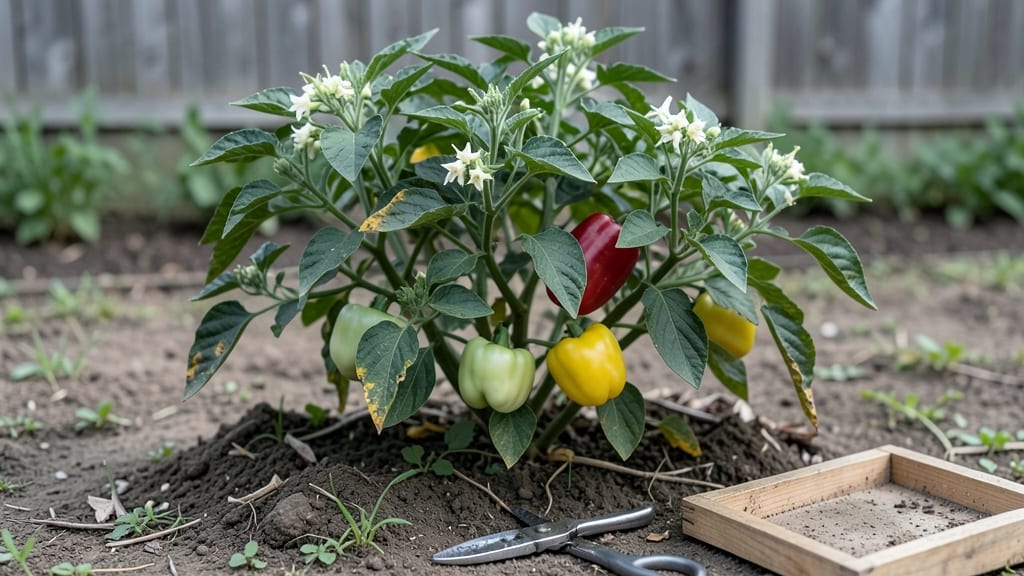
Harvesting pepper plants at the right moment transforms your garden from a green wall to a spice cabinet 🌶️—but timing is everything.
Picking your pepper plants at the wrong time can mean the difference between fiery, flavorful peppers and bland, underripe disappointments. One week too early, and you’re left with tough, seedy pods. Too late, and you risk losing your harvest to frost or overripe mush.
Even in USDA Zone 6a, where summers stretch from July to October, knowing when to snip—whether for green salsa or deep red roasting—is the secret to a bountiful season.
The color shift from green to red isn’t just pretty; it’s a flavor upgrade your taste buds will thank you for.
In this guide, I’ll walk you through the exact signs to watch for, the best tools to use (spoiler: your fingers work just fine), and how to keep your plants producing like a well-oiled machine. Ready to turn your harvest into a highlight of your kitchen?


When to harvest pepper plants for maximum flavor and yield
Harvesting your pepper plants at the right moment transforms your garden into a flavor factory. The key? Watching for color changes and maturity signs that signal peak sweetness, heat, and texture.
Unlike many vegetables, peppers don’t ripen after picking, so timing is everything—especially in hot climates where they can overripe quickly or in cooler regions where they may never fully color up.
Most gardeners focus on color cues—like bright red or deep purple—but the real test is a combination of skin firmness, stem snap, and size consistency.
For example, a jalapeño ready to pick will have a glossy, fully green (or red) skin that resists gentle pressure, while a bell pepper should be plump and heavy for its size. Ignoring these signs often leads to underripe peppers that lack flavor or overripe ones that turn mealy.
Climate plays a huge role in ripening. In hot, dry summers, peppers may ripen faster and need weekly checks, while cooler, cloudy seasons can stall color development entirely.
Some varieties, like habaneros, never fully ripen in short growing seasons, so I always harvest them green if needed—though they’ll be milder. Understanding your local frost dates and heat tolerance of your pepper types is just as critical as watching for color changes.
| Pepper Type | Color Cues | Maturity Signs | Climate Notes |
|---|---|---|---|
| Bell Peppers | Deep green → red/yellow/purple | Firm, glossy skin; stem snaps cleanly | Needs 70-90°F for full color |
| Jalapeños | Bright green → red (if allowed) | Plump, waxy texture; 2-3" long | Overripens in heat; harvest weekly |
| Habaneros | Orange/yellow → red (rare) | Small, firm, <1" long; intense aroma | May not ripen fully in short seasons |
| Poblano | Dark green → black when dried | 3-4" long; leathery skin | Slow to ripen; protect from frost |
| All Peppers | N/A | Harvest regularly to encourage more fruit | Early harvests in cool climates |
Green peppers are often harvested before they ripen, especially in shorter growing seasons. While they’re milder and less sweet, they’re still packed with vitamin C and can be used fresh in salads or sauces.
To tell if a green pepper is ready, look for full size and a slightly waxy skin. If the pepper feels soft or the stem bends easily (but doesn’t snap), it’s not ready yet.
Pro tip: Harvest green peppers when they reach 70% of their mature size—this prevents overcrowding on the plant and encourages more peppers to form.
Red, yellow, and orange peppers are the flavor powerhouses of the garden. The longer they stay on the plant, the sweeter and more aromatic they become—up to a point.
Overripe peppers turn mealy and lose their vibrant color, so I recommend harvesting them when they’re fully colored but still firm. For example, a red bell pepper should be deep red all over, not just at the base.
If you’re growing hot peppers like cayenne or Thai, their heat intensity peaks at full ripeness, so don’t skip this stage unless you’re in a hurry.
One of the biggest mistakes I see is waiting too long for peppers to ripen. In humid climates, overripe peppers are prone to rot or pests, while in dry heat, they can shrivel on the vine.
If your peppers are changing color but not fully ripening, check for nutrient deficiencies (like lack of phosphorus) or water stress. A quick fix is to fertilize with a balanced 10-10-10 and ensure they’re getting 1-2 inches of water per week.
If frost is approaching, harvest green or partially ripe peppers—they’ll ripen indoors in a paper bag with a banana (the ethylene gas speeds up ripening!).
Did you know that harvesting peppers regularly can extend
Step-by-step guide to harvesting peppers without damaging plants
Harvesting peppers at the right time ensures maximum flavor and encourages your plants to produce more fruit. The key is to pick them gently and strategically—whether you're dealing with sweet bell peppers, spicy jalapeños, or fiery habaneros.
A rough harvest can stress the plant, reduce future yields, and even invite pests. I’ve learned the hard way that timing and technique make all the difference between a thriving plant and a struggling one.
Different pepper varieties mature at different rates and require slightly different handling. For example, bell peppers are best picked when fully colored and firm, while habaneros can be harvested green for milder heat or left to ripen for maximum spice.
The goal is to minimize plant stress while maximizing your harvest. Below, I’ll walk you through the exact steps I use to harvest peppers without damaging my plants—plus tips tailored to each variety.
How to Harvest Peppers Without Damaging Plants
- Step 1: Choose the Right Tools Use clean, sharp pruning shears or garden scissors for larger peppers. For smaller varieties like jalapeños, your fingers work fine—just avoid twisting the pepper off the stem.
- Step 2: Identify the Harvest Point Look for the stem attachment where the pepper meets the plant. This is the weakest point and where you should cut or twist. Never pull the pepper directly from the plant.
- Step 3: Cut or Twist Gently For bell peppers and larger varieties, cut the stem 1/4 inch above the pepper to prevent rot. For smaller peppers, twist gently until the pepper detaches—it should come off cleanly without resistance.
- Step 4: Handle with Care Hold peppers by their stem ends to avoid bruising. Place them in a shallow container or basket lined with paper towels to prevent abrasions.
- Step 5: Harvest Regularly Pick peppers every 2-3 days during peak production. This encourages the plant to produce more fruit and prevents overloading, which can stress the plant.
- Step 6: Store Properly Keep harvested peppers in a cool, dry place (50-55°F) for up to 2 weeks. For long-term storage, refrigerate or ferment (for hot peppers).
When harvesting bell peppers, aim for a deep, even color and firm texture. These peppers are typically ready 70-90 days after transplanting, depending on the variety.
For jalapeños and habaneros, you can harvest them green for milder heat or wait until they turn red, orange, or yellow for maximum spice. Habaneros, in particular, are delicate—handle them with extra care to avoid breaking their thin skins.
One common mistake I see is over-picking all peppers at once, which can shock the plant. Instead, focus on selective harvesting: pick only the ripest peppers first. This method keeps the plant productive and reduces stress.
If you notice yellowing leaves or wilting after harvesting, your plant may be overloaded—give it time to recover before picking more.
Pro tip: Harvest in the morning when peppers are cool and firm. This reduces the risk of bruising and ensures you get the freshest flavor. With the right technique, your pepper plants will keep producing abundant, high-quality peppers all season long.