
Diseases
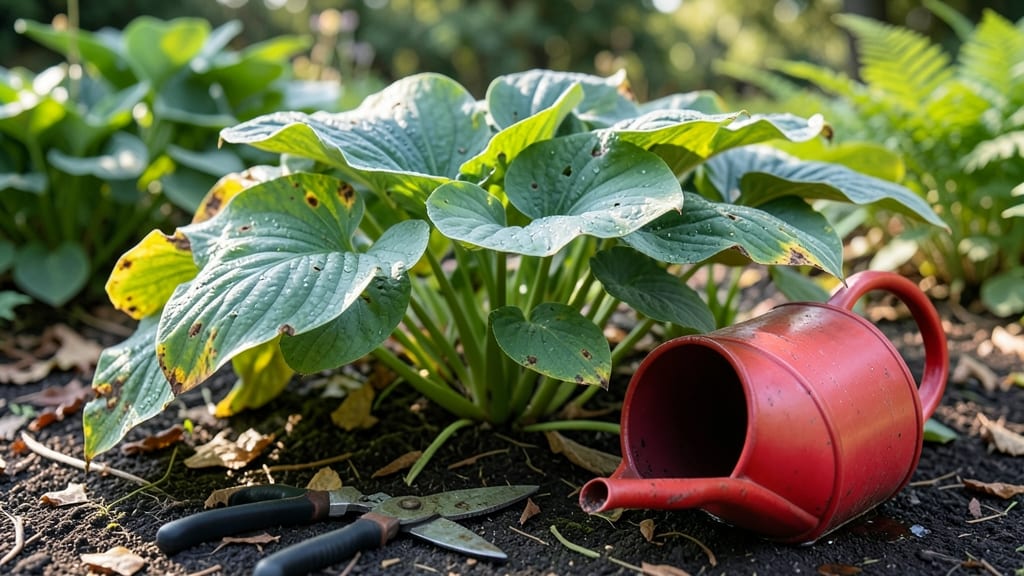
If your hosta plant’s leaves suddenly develop holes or turn a sickly yellow, you’re likely battling hosta plant diseases that can devastate your garden faster than you expect—here’s how to save them. 🌿 I’ve seen hostas go from lush and healthy to a sad, spotted mess in just a couple of weeks—until I learned the fast fixes that actually work.
The key is catching these issues early, when a little cleanup and the right treatment can save your plants instead of sending them to the compost pile.
Most hosta diseases—like leaf spot, rust, or crown rot—thrive in damp, shady conditions, which is why they're so common in these shade-loving plants. The moment you see dark spots, powdery coatings, or leaves that feel slimy, grab some gloves and get to work.
I've found that a mix of proper spacing, better air circulation, and quick action with organic sprays (like neem oil or copper fungicide) turns things around before the whole plant gives up.
Within days of treating the right way, you'll see new growth pushing through, stronger and disease-free. The secret is acting fast—once you recognize the symptoms—and sticking with a routine of preventative care.
I've nursed back hostas that looked hopeless just by cutting out the damaged parts, improving drainage, and keeping the soil from staying soggy.
This works for both container hostas and those planted in the ground, whether you're dealing with a single plant or a whole garden bed.
The same principles apply no matter how big your hosta collection is—once you know what to look for and how to respond, you'll keep your plants thriving all season long.
Root Causes of Hosta Woes
Hostas are prized for their lush foliage and hardiness, but when diseases strike, they can turn your garden into a sad, spotted mess. Understanding why these issues arise is the first step to prevention and treatment.
Below, we break down the key culprits behind hosta plant diseases—from sneaky pathogens to environmental missteps—and explain the science behind the suffering.
Fungi are the #1 cause of hosta diseases, thriving in the damp, shaded conditions these plants love. Here’s how they exploit your garden:
- Moisture Overload: Hostas prefer shade, which often means high humidity and poor airflow. Fungi like Fusarium wilt and Rhizoctonia latch onto wet leaves or soil, creating spores that germinate when conditions are just right. Think of it like a fungal party—too much water = open invitation.
- Wound Entry Points: Physical damage (from pests, pruning, or hail) creates entry wounds where fungi like Botrytis blight can sneak in. Even a tiny cut can be a gateway for infection.
- Old Debris as Fuel: Leaving infected leaves or stems in the soil over winter gives fungi a year-round buffet. Spores survive in decaying matter, ready to reinfect next season.
💡 Pro Tip: Space hostas 3–4 feet apart to improve airflow and reduce humidity pockets. Mulch with straw or pine needles (not thick layers of wood chips) to balance moisture without smothering roots.
Hostas are tough, but extreme or fluctuating temperatures can weaken their defenses, making them vulnerable to pathogens. Here’s how:
| Temperature Stress | How It Weakens Hostas | Diseases It Invites |
|---|---|---|
| 🔥 Heatwaves (90°F+) | Leaves scorch, photosynthesis drops, and roots struggle to absorb water, stressing the plant. | Leaf spot (Alternaria), bacterial soft rot |
| ❄️ Late Frosts or Early Freezes | Cold shocks disrupt cell membranes, making tissues more susceptible to fungal invasion. | Fusarium wilt, gray mold (Botrytis) |
| 🌧️ Rapid Temp Swings | Plants can’t acclimate, leading to osmotic stress and weakened immune responses. | Powdery mildew, leaf blight |
🌡️ Pro Tip: Monitor your microclimate! Use shade cloth in summer and row covers in spring/fall to buffer extreme temps. Avoid planting hostas in low-lying areas where cold air pools.
Healthy soil = healthy hostas. When nutrients are off, your plants become easy targets for disease. Here’s the breakdown:
- Compacted or Waterlogged Soil: Roots suffocate from poor drainage, leading to anaerobic conditions that encourage Phytophthora root rot (a water mold). Think of it like drowning—roots can’t breathe, so they rot.
- Low Organic Matter: Soil lacking compost or humus has fewer beneficial microbes to outcompete pathogens. Fungi like Rhizoctonia thrive in sterile, nutrient-poor environments.
- Excess Nitrogen: While nitrogen fuels leafy growth, it can weaken structural tissues, making hostas more prone to mechanical damage (and thus fungal entry). Too much green = too little defense.
💡 Pro Tip: Test your soil every 2–3 years and amend with compost, perlite, or vermiculite to improve drainage. For nitrogen balance, use a slow-release fertilizer (like 10-10-10) and avoid synthetic boosts mid-season.
Insects and slugs don’t just eat hostas—they spread diseases. Here’s how:
- Slugs & Snails: Their slime trails create moisture films on leaves, perfect for Botrytis spores. Plus, they carry bacteria like Xanthomonas on their bodies.
- Aphids & Thrips: These sap-suckers weaken plants and excrete honeydew, a sticky substance that fosters sooty mold and powdery mildew.
- Japanese Beetles: Their feeding scars on leaves create wounds where Fusarium or Rhizoctonia can infect.
🔥 Pro Tip: Use copper barriers for slugs, neem oil for aphids, and row covers during beetle season. Healthy pests = healthy hostas!
Hostas aren’t just picky about where they grow—they’re also sensitive to who they grow with. Overcrowding and bad neighbors create the perfect storm for disease:
- Poor Airflow: Dense planting traps humidity near foliage, giving fungi like powdery mildew a 24/7 moist environment.
- Shared Pathogens: Planting hostas near susceptible perennials (like astilbes or daylilies) can cross-contaminate diseases like leaf blight.
- Competition for Resources: Aggressive roots (e.g., mint or bamboo) stress hostas, weakening their immune response.
✨ Pro Tip: Space hostas 3–4 feet apart and avoid planting near heavy feeders or water-loving plants (like ferns). Group them with drought-tolerant companions (e.g., heucheras or sedum) to reduce stress.
Fixing Fungal Foes in Hostas
Now that you’ve identified the culprit behind your hosta’s woes, it’s time to roll up your sleeves and restore your plants to their lush, disease-free glory! Below are practical, step-by-step solutions tailored to each common fungal foe, plus prevention tips to keep your hostas thriving long-term.
Think of this as your hosta’s emergency first aid kit—quick, effective, and easy to follow.
(Yes, these slimy pests can spread fungal infections like Phytophthora and Rhizoctonia.)
🔥 Immediate Fix: Remove and Replace
- 👨🍳 Handpick the invaders at dawn or dusk when they’re sluggish. Drop them in soapy water—no mercy for these garden bullies!
- 🥘 Set up beer traps: Bury a shallow dish filled with beer (yeast attracts them).
Refresh every 2–3 days. 3. 🔪 Prune infected foliage with sterilized scissors, then dispose of it in the trash (not compost).
🌡️ Long-Term Prevention
- 💡 Mulch with grit: Use coarse sand or diatomaceous earth around plants—it’s like a slip ‘n slide for slugs.
- 🎯 Install barriers: Copper tape or crushed eggshells create a natural deterrent.
- ✨ Water in the morning: Slugs love dampness, so avoid evening watering.
(Brown spots with yellow halos? This is your fungal nemesis.)
🍳 Treat the Plant
- 🔥 Remove infected leaves—snip them at the base and compost them away from your garden (or burn them).
- 🥘 Apply fungicide: Use a copper-based fungicide or a baking soda spray (1 tsp baking soda + 1 quart water + a drop of dish soap). Spray undersides of leaves where spores hide.
- ⏰ Space out treatments: Reapply every 7–10 days until new growth appears healthy.
🌡️ Stop the Spread
- 💡 Prune for airflow: Thin out crowded foliage to reduce humidity (fungi love damp, dark spaces).
- 🎯 Water at the base: Avoid overhead watering—it’s like broadcasting fungal spores onto leaves.
- ✨ Sterilize tools: Wipe pruners with rubbing alcohol between cuts to prevent cross-contamination.
(Mushy stems, yellowing leaves, and a plant that feels “squishy” at the base? This is an emergency!)
🔪 Emergency Rescue
- 🍳 Dig up the plant and inspect the crown. If it’s mushy or black, it’s likely too far gone—remove it immediately to prevent spread.
- 🥘 For early-stage rot: - Trim away infected tissue with sterilized pruners. - Dip roots in a 1:10 hydrogen peroxide solution (3%) for 10 minutes to disinfect. - Repot in sterile, well-draining soil (mix in perlite or sand).
- 🌡️ Revive with care: - No watering for 3–5 days to let wounds heal. - Move to a shady, dry spot until fully recovered.
💡 Prevention: Drainage is Key
- 🎯 Raise beds: Hostas in containers or slightly elevated spots dry out faster.
- ✨ Improve soil: Amend clay soil with compost and sand to boost drainage.
- 🔥 Avoid overhead watering: Use drip irrigation or soaker hoses.
(White, powdery coating on leaves? It’s not flour—it’s fungus!)
🍳 Scrub and Spray
- 🔥 Wipe leaves with a damp cloth to remove spores (do this in the morning so leaves dry quickly).
- 🥘 Neem oil spray: Mix 1 tbsp neem oil + 1 tsp mild soap + 1 quart water.
Spray both sides of leaves. 3. ⏰ Repeat weekly until mildew disappears.
🌡️ Break the Cycle
- 💡 Space plants: Ensure 3–4 feet between hostas for airflow.
- 🎯 Choose resistant varieties: Try ‘Halcyon’ or ‘Blue Angel’—they’re mildew-resistant superstars!
- ✨ Reflect sunlight: Place reflective mulch (like white gravel) around plants to reduce humidity.
(Because prevention is the best cure!)
| Problem | Fix It | Prevent It |
|---|---|---|
| Crowded plants | Thin out foliage | Plant hostas 2–3 feet apart |
| Overwatering | Let soil dry between waterings | Use drip irrigation |
| Poor airflow | Prune surrounding plants | Avoid planting under trees |
| Dirty tools | Sterilize with rubbing alcohol | Clean pruners after every use |
💡 Pro Tip: Rotate your fungicides! If you use the same treatment repeatedly, fungi can build resistance. Keep a few options in your toolkit (copper, neem, baking soda, or horticultural oil) and switch them up.
With these targeted fixes, your hostas will bounce back faster than you can say “fungal-free.” And remember: an ounce of prevention (like proper spacing, clean tools, and smart watering) is worth a pound of cure. Happy gardening! 🌱💚
Frequently asked questions
What are the most common signs of hosta diseases I should watch for?
Look for dark brown spots with yellow halos (leaf spot), white powdery coatings (mildew), or mushy stems (rot). Slime trails on leaves often signal bacterial infections, while holes in foliage may indicate pest damage that invites secondary diseases. Check both leaf surfaces and the crown regularly—early detection is key!
Can I still save a hosta if it's already heavily infected?
It depends! For leaf spot or mildew, prune infected areas immediately and treat with fungicide. If the crown is rotted (black/mushy), the plant is likely beyond saving—remove it completely to prevent spread. However, healthy-looking roots can often regrow if you repot in fresh, sterile soil and avoid overwatering.
How often should I apply fungicide to prevent diseases?
For prevention, apply fungicide every 2-3 weeks during peak growing season (spring-fall). If treating an active infection, follow label instructions—usually 7-14 days apart for 2-3 applications. Rotate between copper-based sprays and neem oil to avoid resistance. Always spray in the early morning for best coverage.
Will my hostas recover if I just remove the diseased leaves?
Partial removal helps, but it's not enough for most fungal/bacterial infections. You must also sterilize tools, improve airflow (space plants), and treat with fungicide. Without addressing the root cause (literally and figuratively), new leaves will often get infected. Think of it like treating a cold—you can't just cut off the symptoms!
Are there any hosta varieties that resist diseases better?
Yes! Varieties like 'Halcyon', 'Blue Angel', and 'Patriot' show better resistance to common diseases. These cultivars have thicker leaves or natural chemical defenses. For maximum protection, choose disease-resistant types and pair them with proper cultural care—like avoiding overhead watering and ensuring good drainage.