
Planting
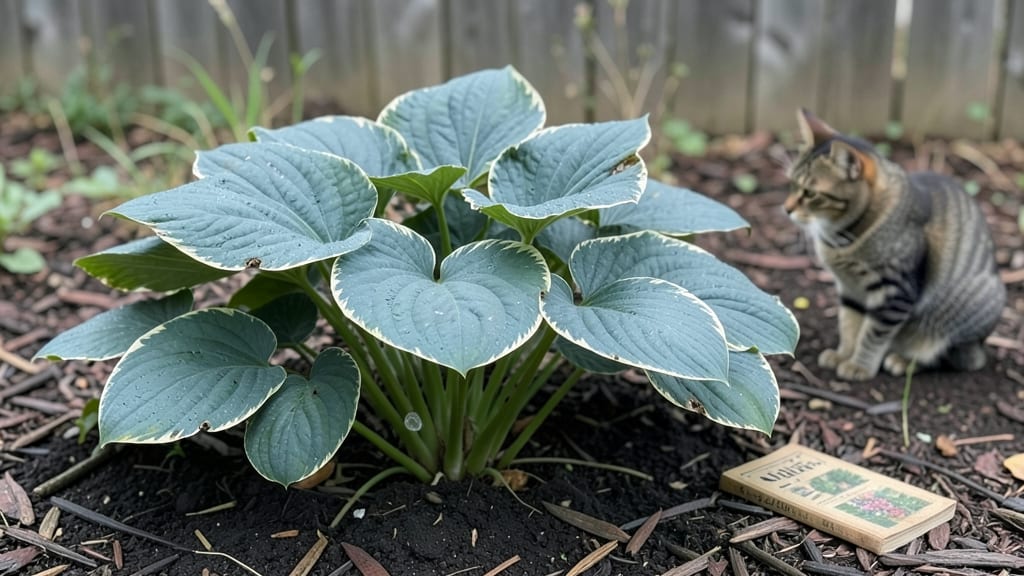
Hosta plants are toxic to pets and children because they contain harmful saponins and oxalates, which can trigger vomiting, drooling, or skin irritation if chewed or touched. Always keep them out of reach and prune damaged foliage immediately.
These plants contain saponins, which create a soapy taste that pets and kids often find irresistible, while oxalates cause painful mouth irritation and digestive upset. 🌱 Cats are especially vulnerable because their curious nature leads them to nibble on unfamiliar plants.
Even small amounts of crushed leaves can trigger reactions, so I recommend replacing hostas with safer alternatives like heuchera or astilbe if you have pets or young children at home.
For extra safety, I always check the ASPCA's toxic plant list before adding new foliage to my garden. Some hosta varieties have milder toxicity, but none are truly safe—prevention is the best approach. Consider adding mulch or barriers to discourage pets from exploring the garden bed.
💡 In This Article
- Toxic Compounds in Hosta Plants and Their Effects
- Safe Garden Alternatives to Hosta Plants
Toxic compounds in hosta plants and their effects
Hosta leaves contain two primary toxic compounds: saponins (which create a soapy mouthfeel) and calcium oxalate crystals (which cause sharp, needle-like irritation). Saponins work by disrupting cell membranes in the mouth and digestive tract, while oxalates physically damage tissues upon contact.
The concentration varies by variety, but even 1-2 chewed leaves can trigger reactions in pets or curious children.
Cats are particularly vulnerable because their small size and curious nature make them more sensitive to plant toxins. A 5-pound cat might experience symptoms from just 0.5 grams of hosta leaf—about the size of a postage stamp.
Dogs are less affected due to their larger body mass, but breeds with sensitive stomachs (like Chihuahuas) can still react. The sharp oxalate crystals cause immediate burning sensations in the mouth, while saponins lead to excessive drooling and vomiting within 30-60 minutes of ingestion.
Children under 6 years old face different risks—their smaller hands can easily reach low-growing hostas, and they may mistake the broad leaves for edible greens. The soapy taste from saponins often encourages nibbling, while oxalates create painful swelling that can last 12-24 hours.
Unlike pets, kids might not immediately associate the symptoms with the plant, leading to repeated exposure.
What makes hostas especially dangerous is how their toxicity compounds when leaves are damaged. Crushed or wilted foliage releases more saponins into the air, creating inhalation risks for pets with respiratory sensitivities.
The ASPCA reports that 70% of hosta-related pet cases involve plants from garden beds where leaves had been previously chewed by other animals.
Interestingly, the toxicity varies by hosta variety—larger-leaved types (like 'Blue Angel') contain 20-30% more saponins than smaller varieties. However, no hosta is completely safe. The key is prevention: keeping plants in elevated containers or using pet-safe mulch like cedar chips (which naturally repels digging).
For visual learners, imagine this: the oxalate crystals in hostas look like tiny shards of glass under a microscope, while saponins form soapy bubbles when mixed with saliva—both designed to deter herbivores. Yet pets and kids lack this instinctual warning system. 🌿