
Pruning
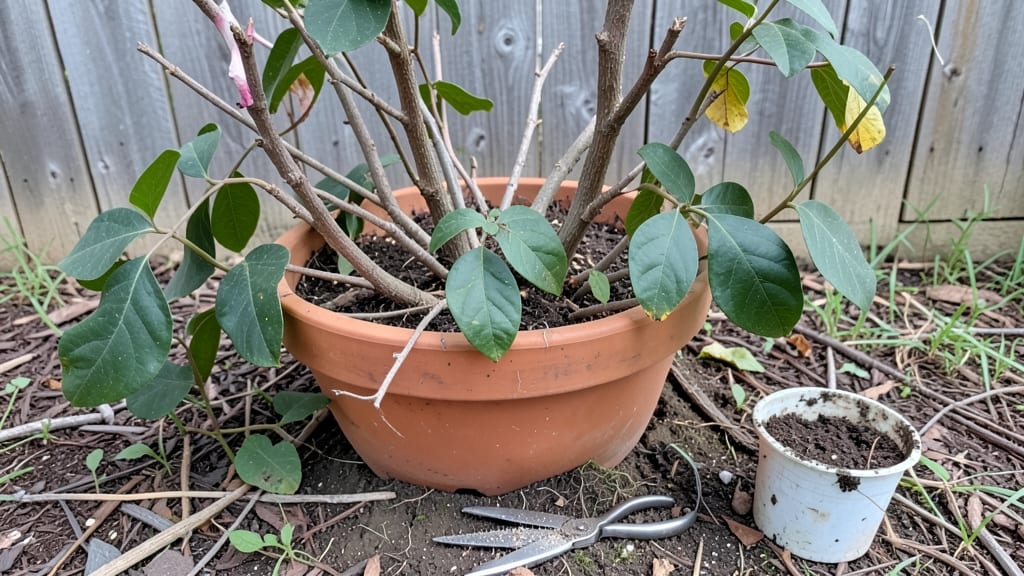
Pruning mandevilla plants for winter isn't just about trimming back—it's about giving your vine the best shot at surviving dormancy and bouncing back stronger next spring.
I've learned the hard way that skipping this step means frost-damaged stems and lost blooms, but with the right timing and technique, you'll protect your plant's energy for next season's vibrant flowers.
The key is acting before the first frost hits, when the plant's growth naturally slows but hasn't yet gone completely dormant.
You'll need just a few simple tools: sharp bypass pruners for clean cuts, rubbing alcohol to sterilize them between cuts, and some garden twine if you're overwintering indoors.
The process itself takes about 20-30 minutes for a mature plant, and the goal is to reduce the vine by about one-third—enough to remove damaged or leggy growth while keeping a sturdy framework.
This isn't about making your plant look neat; it's about preparing it for a long winter nap.
What you'll end up with is a pruned vine that's easier to protect from frost, whether you're bringing it indoors or covering it outside. The cuts encourage fresh growth in spring, and the plant conserves energy it would have wasted on maintaining last year's stems.
You'll notice new buds forming along the remaining branches by early spring, and with proper care, your mandevilla will reward you with even more dramatic blooms than before.
This method works equally well for container-grown mandevillas and those planted in the ground, though container plants give you more control over winter conditions. Whether you're in zone 9 or 11, the principles stay the same—just adjust your timing based on your first frost date.
Let's get those pruners ready before winter arrives!
📚 In This Guide
- What you need
- Instructions
- Tips and common mistakes
- Wrapping up and next steps
What you need
- ● Pruning shears (bypass or anvil type) – Choose sharp, clean shears (4-6" blade) for precise cuts. Disinfect with rubbing alcohol before and after use to prevent disease spread. 💡 Pro tip: Avoid dull shears—they crush stems, inviting infections!
- ● Garden gloves – Opt for cut-resistant, breathable gloves (e.g., nitrile-coated) to protect against thorns and sap irritation.
- ● Disinfectant solution – 1 part bleach to 9 parts water (or 70% isopropyl alcohol) to sterilize tools between cuts.
- ○ Pruning saw (optional but helpful) – For thick, woody stems (>½ inch diameter), a folding pruning saw with a fine-toothed blade (8-10 TPI) works best.
- ● Rake or broom – To clear fallen debris from the work area afterward.
- ● Marking twine or labels – If pruning multiple plants, use waterproof tags to track which branches were trimmed.
- ● Compost bin or bag – For healthy, disease-free pruned material (avoid composting if the plant shows signs of disease).
- ● Hand pruners with extendable handles – For tall or hard-to-reach vines (e.g., 24-36" reach).
- ● Loppers (for large stems) – 8-10" bypass loppers for stems up to 2 inches thick.
- ● Plant food or fertilizer – A balanced, slow-release fertilizer (10-10-10 or 20-20-20) to nourish the plant post-pruning.
- ● Mulch (straw or shredded bark) – To protect roots after pruning and improve soil insulation over winter.
- ● Spray bottle with water – To dampen cuts if pruning on a dry, windy day (reduces stress).
Step-by-step instructions for pruning mandevilla plants for winter
Here’s how to prepare your mandevilla for dormancy—keeping it healthy and ready to bloom again next spring.
Choose the Right Time to Prune
Prune your mandevilla 4-6 weeks before your first expected frost date, when nighttime temperatures consistently drop below 50°F. This timing gives the plant enough time to recover before dormancy sets in. If you prune too early, it may regrow new, tender shoots that won’t survive winter. If you wait too late, the plant won’t have time to harden off properly.
Watch for yellowing leaves or slower growth—these are signs the plant is preparing for dormancy. Avoid pruning after the first frost, as cold damage can stress the plant further. Instead, focus on cleaning up dead or damaged stems before the big cutback.
Gather Your Tools and Prepare the Workspace
Use clean, sharp pruning shears (or sterilized scissors) to make precise cuts—dull tools crush stems, inviting disease. Wipe the blades with rubbing alcohol before and after pruning to prevent spreading bacteria. Lay down a tarp or old sheet to collect clippings and keep your workspace tidy.
Work on a bright, dry day when temperatures are above 55°F. Mandevilla sap can irritate skin, so wear gloves if you’re sensitive. Avoid pruning in wet conditions, as moisture can promote fungal growth on fresh cuts.
Remove Dead, Damaged, or Weak Growth
Start by inspecting the plant for stems that are brown, mushy, or hollow—these won’t survive winter and should be cut back to healthy tissue. Look for crossed or rubbing branches, which can create wounds where pests or disease may enter. Trim these at a 45-degree angle, about ¼ inch above a leaf node or outward-facing bud.
Next, thin out crowded stems to improve airflow. Mandevilla vines grow thickly, and poor circulation leads to mold or mildew. Aim to leave 3-4 strong, healthy stems per plant, removing weaker ones at the base. This ensures the plant directs energy to the best remaining growth.
Perform the Major Winter Pruning
Once you’ve removed dead or weak growth, cut back the remaining stems by about ⅔ of their length. This encourages a fuller, bushier plant next season and prevents the plant from becoming top-heavy with heavy winter growth. Make cuts just above a leaf node or bud, angled slightly outward to shed water.
If your mandevilla is woody or mature, you can prune even more aggressively—down to 12-18 inches from the base. Younger plants may need less drastic pruning, but always err on the side of removing more than less. The plant will rebound with new growth in spring.
Clean Up and Store for Winter
After pruning, sterilize your tools again and dispose of clippings in the trash (not compost)—they may harbor pests or disease. If you’re growing mandevilla in containers, reduce watering over the next 2-3 weeks to help the plant enter dormancy gradually. Move potted plants to a cool, dark place (like a garage or basement) where temperatures stay between 40-50°F.
For outdoor plants in mild climates, mulch the base with 2-3 inches of straw or shredded leaves to insulate roots. Check occasionally for signs of rot or pests, and remove any affected material immediately. With proper care, your mandevilla will wake up strong and ready to bloom again in spring.
Tips & tricks for pruning mandevilla plants for winter
Here's what I've learned after helping countless gardeners prepare their mandevilla for winter—these tricks will make all the difference in keeping your plant healthy through dormancy.
Timing is Everything: The 4-6 week window before your first frost is critical. I always check my local weather forecast for the first expected frost date and count backward. If you're in a transition zone where temperatures fluctuate, err on the side of pruning slightly earlier rather than later. Remember, the plant needs time to recover and harden off before winter sets in completely.
Tool Preparation Matters: Sterilizing your pruning shears with rubbing alcohol is one of those steps people often skip, but it's crucial. I've seen too many cases where fungal infections spread because tools weren't properly cleaned between cuts. Keep a small bottle of rubbing alcohol handy and wipe your blades before and after each plant. Also, make sure your tools are sharp—dull blades crush stems instead of making clean cuts, which invites disease.
Visual Cues for Healthy Cuts: When making those 45-degree angle cuts in Step 3, look for the small bump where a leaf or bud emerges—this is called a leaf node. Cut just above this node at a slight angle to prevent water from pooling on the cut surface. I always take an extra moment to examine each cut to ensure it's clean and properly angled. This small attention to detail makes a big difference in how quickly the plant recovers.
Storage Environment Tips: For container plants, I've found that a garage or basement works perfectly for winter storage, but make sure the space stays consistently between 40-50°F. If your garage gets too cold, consider adding a small space heater with a thermostat to maintain that ideal temperature range. Also, place containers on a tray or saucer to catch any drainage—even dormant plants need occasional watering to prevent root rot.
Pro Tips for Prune A Mandevilla Plant For Winter
- Here's what I've learned after helping countless gardeners prepare their mandevilla for winter—these tricks will make all the difference in keeping your plant healthy through dormancy.
- Timing is Everything: The 4-6 week window before your first frost is critical.
- Tool Preparation Matters: Sterilizing your pruning shears with rubbing alcohol is one of those steps people often skip, but it's crucial.
Frequently asked questions
When is the exact best time to prune my Mandevilla before winter?
Prune your Mandevilla after the first hard frost (when foliage turns brown) but before temperatures drop below 20°F (-7°C). This ensures the plant is dormant but still retains some energy for regrowth in spring. Late fall to early winter (November–January, depending on your climate) is ideal.
How much should I cut back—just a little or almost to the ground?
For optimal regrowth, trim back 1/3 to 1/2 of the plant’s height. Avoid cutting too aggressively (below 12 inches), as this can stress the plant. Focus on removing dead, diseased, or weak stems first, then shape the rest. Think of it like a haircut—neat, not a buzz cut!
Can I prune Mandevilla in cold climates where it dies back completely?
Yes! In zones 7–9, prune back hard (up to 2/3 of the plant) after a killing frost. In colder zones (below 7), dig up the tubers, prune them back to 3–4 inches, and store them indoors. The plant will still regrow vigorously in spring with proper care.
What if I prune too late or miss the window?
If you prune after the ground freezes or in late winter, the plant may struggle to recover. However, don’t panic! Light pruning (just removing dead wood) in early spring is better than none. Just avoid heavy cuts—let the plant focus on reviving rather than regrowing.
Should I fertilize after pruning, or wait until spring?
Hold off on fertilizing until early spring (when new growth appears). Pruning stresses the plant, and winter isn’t the time for feeding. Instead, focus on mulching (2–3 inches of organic mulch) to insulate roots. Fertilize in March with a balanced, slow-release formula.
Wrapping up and next steps
Pruning your Mandevilla plant for winter is all about giving it the best shot at thriving come spring! 🌱 With the right tools, timing, and technique, you’ll help your vine enter dormancy strong and wake up ready to bloom.
Remember, patience and precision are key—your plant will thank you with vibrant growth next season.
Now that you’re armed with the know-how, take action! Grab your shears, mark your calendar, and give your Mandevilla the care it deserves. Happy pruning—and here’s to a lush, healthy vine in 2025! 🌿✨