
Pruning
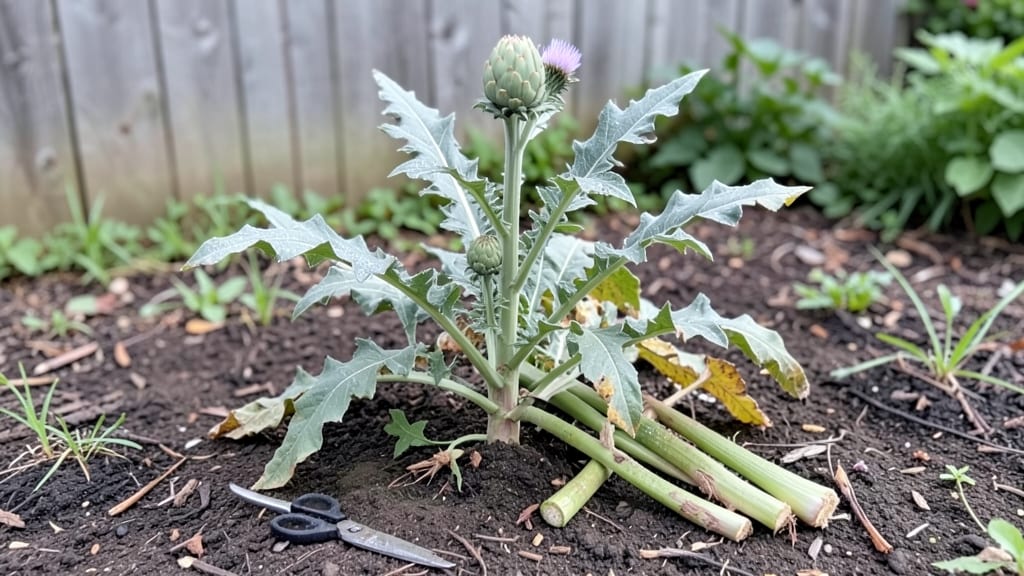
Pruning artichoke plants isn’t just about shaping them—it’s how you unlock a second harvest when most gardeners quit after the first. I learned this the hard way after my first attempt left me with just one sad, overgrown plant by summer’s end.
The secret lies in three strategic cuts that keep plants productive, not just pretty.
You’ll need sharp pruners, gloves for thorn protection, and a clear day to work—artichokes hate soggy stems. The first trim happens right after harvest, removing old flower stalks to redirect energy into new growth.
Then comes the midseason cleanup in July, where you snip out any leggy stems or yellowing leaves. Finally, a light prune in late summer prepares the plant for next year.
What you’ll end up with is a plant that keeps producing through fall, yielding tender baby artichokes long after neighbors have given up. The foliage stays lush and green, not straggly, and you avoid the common mistake of over-pruning, which stresses the plant.
Even my first attempt last year gave me a second flush of buds when I followed these steps.
Works for both globe and French artichokes, and the same principles apply whether you’re growing in full sun or partial shade. Here’s how to do it without turning your kitchen garden into a thorny jungle—trust me, the gloves are worth it.
📚 In This Guide
- What you need
- Instructions
- Tips and common mistakes
- Wrapping up and next steps
What you need
- ● Pruning shears: Bypass pruners (sharp, clean, and sterilized with rubbing alcohol or bleach solution) – 1 pair. Avoid dull tools to prevent crushing stems.
- ● Garden gloves: Heavy-duty, cut-resistant (e.g., Mechanix or Felco brand) – 1 pair. Protects against thorns and blisters.
- ● Disinfectant: 1-part bleach to 9-parts water solution (for sterilizing tools between cuts) – small spray bottle.
- ○ Garden twine or plant ties: (Optional) For supporting heavy artichoke buds – 5–10 feet.
- ● Compost bin or mulch: For disposing of pruned material (artichoke plants do not regrow from cuttings).
- ● Timing: Prune during cool, overcast mornings to reduce stress on the plant. Avoid pruning in extreme heat or drought.
- ● Plant health: Only prune mature plants (at least 6–8 inches tall) with visible buds or stems. Weak or diseased plants should be removed entirely.
- ● Weather check: Ensure no rain is forecasted for 24 hours post-pruning to prevent fungal issues.
- ● Harvest readiness: Artichokes are best pruned when buds are firm, compact, and 3–5 inches wide (before petals unfurl).
Step-by-Step guide for pruning artichoke plants
Here’s how to keep your artichoke plants productive and healthy through every season.
Remove Dead or Damaged Foliage in Early Spring
Start pruning as soon as new growth appears in early spring, typically around March or April depending on your climate. Use clean, sharp pruners to snip away any brown, yellow, or wilted leaves at the base. This step is critical because dead foliage can harbor pests and diseases that will spread to healthy parts of the plant.
Focus on the outer leaves first—they’re the most exposed and often the first to show signs of winter damage. You’ll notice strong, vibrant green leaves emerging from the center as you work. Avoid cutting into live tissue; only remove what’s clearly dead or damaged. This ensures the plant directs its energy toward new growth rather than repairing damaged areas.
Trim Side Shoots and Suckers for Better Airflow
Once your artichoke plants reach 12-18 inches tall, typically in late spring, it’s time to address side shoots and suckers. These are the small, leafy stems that grow from the main stalk or lower leaves. Use your pruners to cut them off just above a leaf node or bud, leaving a small bump where the growth can continue.
This step improves airflow and sunlight penetration, which are essential for preventing fungal diseases like powdery mildew. You’ll see the main stalk thicken and the plant develop a stronger, more upright structure. Prune aggressively but carefully—artichokes are resilient, but removing too much foliage can stress the plant. Aim to keep about two-thirds of the plant’s leaves intact to maintain photosynthesis.
Harvest and Prune Mature Buds in Late Spring to Early Summer
When artichoke buds swell to about 3-4 inches in diameter, usually in June or July, it’s time for the harvest trim. Cut the entire bud off with your pruners, leaving a small stem attached. Harvest in the morning when buds are firm and tightly closed—this ensures the best flavor and texture. After harvesting, inspect the plant for any remaining buds that are close to maturity and trim those as well.
This step encourages the plant to produce more buds rather than letting it focus on growing a single large bud. You’ll notice new buds forming within 2-3 weeks if the plant is healthy and well-maintained. After harvesting, give the plant a light watering to help it recover and promote new growth. Avoid overwatering, as artichokes prefer slightly drier conditions once established.
Light Pruning After Harvest to Encourage Regrowth
In late summer, after the main harvest season, perform a light pruning to remove any spent or yellowing leaves. Focus on the lower third of the plant, where older leaves tend to accumulate debris. Trim these back to about 6 inches from the base, which helps the plant redirect its energy toward storing nutrients for the next season.
This step also prepares the plant for winter by reducing the risk of disease and pest buildup in dense foliage. You’ll see the plant’s center remain cleaner and more open, allowing sunlight to reach the base. Avoid heavy pruning at this stage—artichokes need some foliage to continue photosynthesizing until the first frost. Stop pruning entirely once temperatures drop below 50°F to protect the plant from cold damage.
Winter Pruning for Next Year’s Growth
In late winter, just before new growth begins, do a final pruning to remove any remaining dead or weak stems. Cut back all foliage to about 2-3 inches above the ground, leaving only the sturdy, healthy stalks. This step is essential for controlling pests and diseases that may overwinter in plant debris.
You’ll notice fresh, green shoots emerging from the base within 2-3 weeks of this pruning. This is your signal that the plant is ready to start the cycle again. Avoid fertilizing immediately after winter pruning—wait until new growth is 4-6 inches tall before applying any nutrients. This ensures the plant uses its stored energy for regrowth before demanding additional resources.
Tips & tricks for pruning artichoke plants
Keeping your artichoke plants thriving requires precision timing and gentle hands—here’s how to avoid common mistakes while maximizing your harvest.
Tool Preparation: Before you start pruning in Step 1, sterilize your pruners with rubbing alcohol or a 10% bleach solution to prevent spreading disease between cuts. I always clean my tools between plants, especially when removing dead foliage in early spring. Sharp pruners make cleaner cuts that heal faster, so invest in a good pair—they’ll last years and make the job much easier.
Visual Cues for Pruning: In Step 2, when trimming side shoots, look for the small bump just above where the shoot meets the main stalk—that’s your leaf node. Cut just above this bump, leaving a tiny nub. This ensures new growth can sprout from that spot. I’ve learned the hard way that cutting too close to the main stalk can damage the plant’s vascular system, slowing down regrowth.
Harvest Timing: For Step 3, harvesting in the morning when buds are tightly closed ensures you get the freshest flavor. If you notice buds starting to open or turn brown, they’ve passed their prime. I’ve found that harvesting every 2-3 days during peak season keeps the plant producing new buds consistently. Just be sure to leave a small stem attached—this helps the plant heal faster.
Seasonal Awareness: The 50°F threshold in Step 4 and Step 5 is critical—once temperatures drop this low, artichokes become vulnerable to frost damage. I always monitor the weather forecast and stop pruning entirely when nighttime temps approach freezing. This protects the plant’s energy reserves for next season’s growth.
Pro Tips for Prune Artichoke Plants
- Keeping your artichoke plants thriving requires precision timing and gentle hands—here’s how to avoid common mistakes while maximizing your harvest.
- Tool Preparation: Before you start pruning in Step 1, sterilize your pruners with rubbing alcohol or a 10% bleach solution to prevent spreading disease between cuts.
- Visual Cues for Pruning: In Step 2, when trimming side shoots, look for the small bump just above where the shoot meets the main stalk—that’s your leaf node.
Frequently asked questions
Got questions about pruning artichoke plants? You’re not alone!
Here are answers to the most common concerns—from timing to troubleshooting—so you can keep your plants thriving and your harvests bountiful.
When is the best time to prune artichoke plants?
Prune artichokes three times a year: early spring (before new growth), after harvest (to encourage more buds), and late summer/fall (to clean up dead foliage). Avoid pruning during frost or extreme heat—stick to mild, dry days for optimal healing.
What if I miss a pruning session?
Don’t stress! Artichokes are forgiving. If you miss a trim, focus on the next scheduled session—just avoid heavy pruning mid-season, as it can reduce yields. Prioritize removing dead or diseased leaves immediately to prevent pests.
Can I prune artichoke plants too much?
Yes—over-pruning (cutting more than ⅓ of the plant) can stress artichokes, leading to fewer buds or stunted growth. Aim for light, strategic cuts to maintain shape and airflow. Save aggressive pruning for after harvest or winter cleanup.
What should I do if my artichoke plant looks sick after pruning?
Check for yellowing leaves (nutrient deficiency) or soft spots (rot). If pruning cuts were too deep or tools were dirty, sterilize with rubbing alcohol and trim only healthy tissue. Boost recovery with balanced fertilizer and mulch to retain moisture.
Can I prune artichokes in containers or small gardens?
Container-grown artichokes need more frequent pruning to control size—trim outer leaves to direct energy to buds. Use sharp shears to avoid damaging roots, and repot every 2–3 years for space. Dwarf varieties (like ‘Baby Blue’) are ideal for tight spaces!
Wrapping up and next steps
Pruning artichoke plants is your secret to a bountiful, year-round harvest—just remember the three key trims: early spring cleanup, mid-season maintenance, and post-harvest tidying. With the right tools, timing, and technique, you’ll encourage healthier growth, bigger buds, and fewer pests.
Don’t let hesitation hold you back—your garden (and taste buds) will thank you!
Next up: Grab those shears and start pruning—or dive deeper into artichoke care tips to keep your plants thriving all season! 🌱✂️