
Pruning
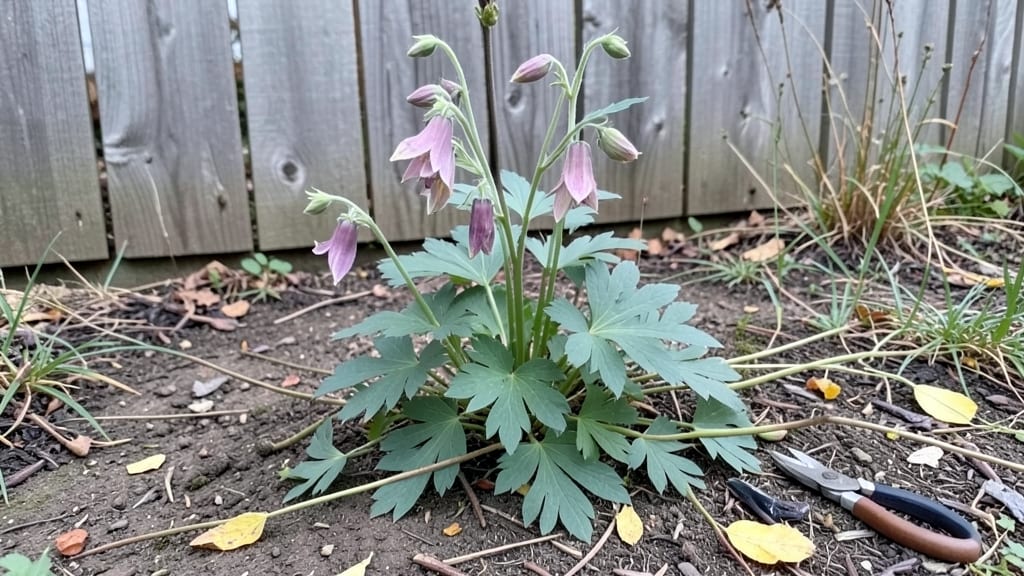
Pruning columbine plants isn't just about tidying up—it’s how you unlock nonstop blooms and stronger stems for years to come. 🌿 I’ve watched these delicate flowers go from sparse blooms to lush, repeat-flowering stars just by following a few simple cuts at the right time.
The key? Timing matters more than you’d think, and cutting too late can leave your plant struggling to bounce back.
You’ll need just three basic tools: sharp pruning shears, gloves (columbine stems can be prickly), and a small bucket for spent blooms.
The best time to prune is right after the first flush of blooms—usually in early summer—when you can see the spent flowers but before the seeds form. This encourages a second round of blooms later in the season, and the plant stores energy for next year’s growth.
Start by snipping off the wilted blooms just above a set of healthy leaves, always cutting at a 45-degree angle to prevent water from pooling. Avoid cutting into the woody stems—columbine blooms on last year’s growth, so pruning too hard back can weaken the plant.
By late summer, you’ll notice fresh buds forming along the stems, and those will open into vibrant blooms by fall.
Here’s the secret I learned the hard way: never prune in fall or winter. Columbine’s foliage stays attractive through the season, and cutting it back too early can expose the plant to cold damage.
Instead, wait until early spring to trim any remaining dead stems, and you’ll set your columbine up for another stunning season of blooms.
📚 In This Guide
- What you need
- Instructions
- Tips and common mistakes
- Wrapping up and next steps
What you need
- ● Pruning shears or bypass pruners: Sharp, clean, and sterilized (7-inch blades work best for precision). Pro tip: 💡 Use alcohol wipes to disinfect blades between cuts to prevent disease spread.
- ● Garden gloves: A pair of nitrile-coated gloves (medium or large) to protect your hands from thorns and sap.
- ○ Garden twine or plant ties: (Optional but helpful) For securing sprawling stems post-pruning.
- ● Compost bin or bag: To collect pruned stems and deadheads for nutrient recycling.
- ● Watering can or hose: For post-pruning hydration (1–2 gallons of water per plant).
- ● Hand lens or magnifying glass: For spotting hidden pests or diseased areas.
- ● Pruning saw: If dealing with thick, woody stems (rare in columbines but useful for mature plants).
- ● Fungicide spray: (e.g., neem oil or copper-based) if your plant shows signs of powdery mildew.
- ● Notebook & pen: To jot down pruning notes (e.g., "Pruned 3/15—removed 2 dead stems").
Step-by-Step instructions for pruning columbine plants
Here's the simple, seasonal approach I use to keep my columbines blooming all summer long.
✂️ Step 1: Deadhead Spent Blooms After Flowering
Use clean, sharp pruners to snip off the faded flower clusters just above the first set of healthy leaves below the bloom. This prevents the plant from wasting energy on seed production and redirects it to new growth. I like to do this in the morning when the flowers are still damp with dew—it makes the stems easier to cut cleanly.
Watch for the distinctive 5-petaled flowers that give columbines their unique look. Once they start wilting and turning brown, that's your cue to act. If you wait too long, the seed pods will form, and the plant will put all its energy into making seeds instead of producing more blooms.
🌿 Step 2: Thin Overcrowded Stems in Early Summer
After the first flush of blooms, examine your columbine for stems that are growing too close together or leaning awkwardly. Select the strongest, most upright stems and remove the weaker ones at the base with a single clean cut. This improves air circulation, which helps prevent fungal diseases like powdery mildew.
You'll know you're doing it right when you see new side shoots emerging from the base of the remaining stems. These side shoots will produce fresh blooms and keep your plant looking full and healthy. Never remove more than one-third of the stems at a time—columbines are tough but not indestructible.
✂️ Step 3: Cut Back Leggy Growth in Late Summer
If your columbine starts looking tall and leggy by late summer, it's time for a more aggressive pruning. Look for stems that have stretched too much or lost their compact shape. Cut these back by about one-third of their length, making the cut just above a set of leaves or a side bud.
This late-summer trim encourages a second round of blooms and helps the plant prepare for winter. You'll notice new growth appearing within a few weeks—watch for fresh, bright green leaves and new flower buds forming at the tips. Avoid cutting into old, woody stems, as columbines don't regenerate well from these.
⏰ Step 4: Clean Up Debris Before Winter Dormancy
As fall approaches and the last blooms fade, remove all dead foliage, stems, and seed pods from the plant. Use your pruners to cut back any remaining stems to about 2-3 inches above the ground. This keeps your garden looking tidy and prevents pests from overwintering in the plant debris.
Leave the cut stems in place—they'll provide some winter protection for the crown of the plant. In early spring, you'll see fresh growth emerging from the base, and your columbine will be ready to bloom again. This final cleanup is the easiest part, but it's crucial for keeping your plants healthy year after year.
Tips & tricks for pruning columbine plants
A few strategic cuts can transform your columbines from one-season wonders to year-round bloomers. These are the secrets I've learned after years of watching my garden thrive.
The Right Time Matters: In Step 1, when deadheading those 5-petaled blooms, focus on the morning hours. The dew keeps stems moist and makes clean cuts easier—no more jagged edges that can invite disease. I've found that starting at dawn also means you're catching the first signs of wilting before seed pods even begin to form. This early intervention is what keeps your plants producing new blooms all season long.
Tool Selection is Critical: Use clean, sharp pruners every time—dull blades crush stems and create entry points for bacteria. I keep a dedicated pair just for my columbines, sterilized with rubbing alcohol between uses. For those hard-to-reach blooms, I've found small bypass pruners work better than anvil-style ones, which can damage delicate stems. A good pair of gloves also helps protect your hands from the occasional thorn.
Visual Cues for Perfect Cuts: In Step 3, when cutting back leggy growth, look for the first set of healthy leaves below the flower cluster. This is your target cut point—it's where new growth will emerge most vigorously. I've learned to make my cuts at a slight upward angle to help water run off the stem, which prevents rot. The goal is to encourage bushier, more compact growth rather than tall, spindly stems.
Seasonal Timing for Maximum Impact: The winter cleanup in Step 4 isn't just about tidiness—it's about setting your columbines up for next year. Cutting stems back to 2-3 inches above ground actually protects the crown from harsh winter winds. I've noticed that plants I've properly winter-pruned always produce their first flush of blooms about 2 weeks earlier than neglected ones. Just remember to leave those cut stems in place until spring—they provide natural insulation.
Pro Tips for Prune Columbine Plants
- A few strategic cuts can transform your columbines from one-season wonders to year-round bloomers.
- The Right Time Matters: In Step 1, when deadheading those 5-petaled blooms, focus on the morning hours.
- Tool Selection is Critical: Use clean, sharp pruners every time—dull blades crush stems and create entry points for bacteria.
Frequently asked questions
Got questions about pruning columbine? You’re not alone! Here are answers to the most common concerns to help you keep your plants thriving.
When is the best time to prune columbine?
Prune after flowering (late spring to early summer) to encourage more blooms. Avoid cutting back in fall or winter, as columbine stores energy in its stems for next year’s growth. Light trimming of dead or damaged stems can be done anytime, but major pruning should wait until after blooms fade.
Should I cut columbine all the way to the ground?
No! Columbine stores nutrients in its stems, so cutting too low can weaken the plant. Trim just above a leaf node (where leaves grow) or a healthy stem section. For woody stems, leave 2–3 inches above the ground. This ensures regrowth while preserving the plant’s energy reserves.
What if my columbine looks leggy or sparse after pruning?
Leggy growth often means the plant needs more light or nutrients. After pruning, fertilize lightly with a balanced 10-10-10 formula and ensure it gets 4–6 hours of sunlight daily. Mulch around the base to retain moisture, and avoid overwatering—columbine prefers well-draining soil and hates soggy roots.
Can I prune columbine in containers differently?
Container-grown columbine follows the same rules, but watch for overcrowding. If roots are circling, repot in early spring. Trim back one-third of the oldest stems to encourage bushier growth. Containers dry out faster, so water before pruning to reduce stress on the plant.
What if my columbine stops blooming after pruning?
Lack of blooms usually means the plant is stressed or lacks energy. Check for over-pruning (leave at least half the stems) or poor growing conditions (shade, compacted soil, or pests). Deadhead spent blooms regularly to redirect energy to new flowers. If the issue persists, test soil pH—columbine thrives in slightly acidic to neutral (6.0–7.0) soil.
Wrapping up and next steps
Pruning columbine plants is your secret weapon for vibrant blooms and robust growth—and now you’ve got all the know-how to do it like a pro! 🌸 By deadheading spent flowers, trimming leggy stems, and cleaning up debris, you’ll encourage your columbines to thrive year after year. Remember: patience and gentle care are key!
Ready to transform your garden? Grab your pruners, head outside, and give your columbines the love they deserve. Next, explore how to fertilize or mulch for even more lush results! 🌿