
Companion Plants
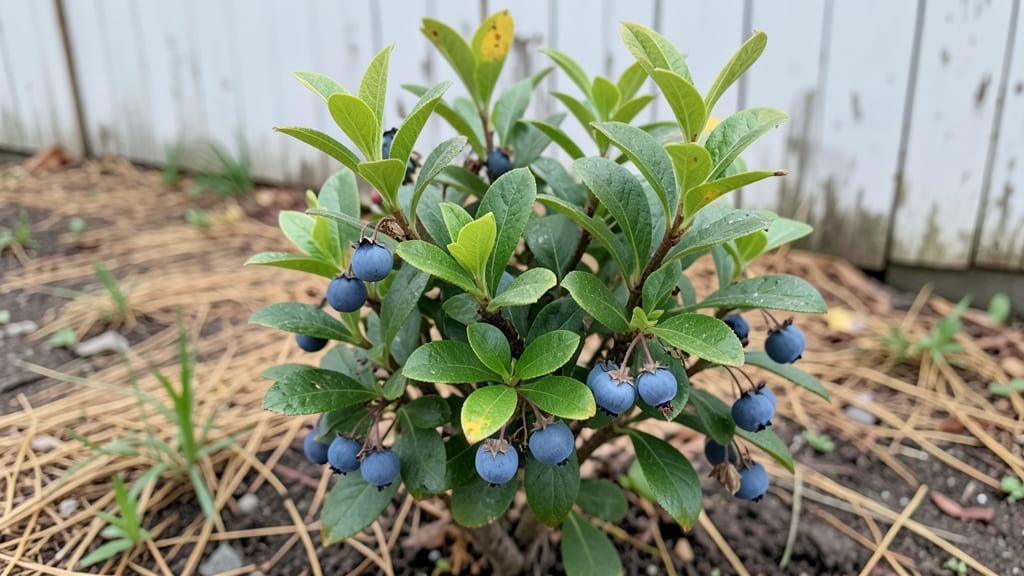
Growing northern blueberry plants means waking up to a bush that's already loaded with fruit by early summer—no fuss, no waiting. 🌿 I've grown these for years, and the key isn't some secret fertilizer but matching their exact needs: the right soil, the right spot, and just enough attention.
These bushes reward patience with blueberries that taste like summer in a cup, and they keep producing for decades if you care for them right.
Their secret weapon is acid-loving soil—think pH 4.5 to 5.5, which mimics their natural bog habitat. Most garden soil won't cut it, so you'll need to amend with peat moss or sulfur to keep the acidity just right.
Plant them in full sun, where they'll spread 6 to 10 feet wide over time, and mulch heavily to protect those shallow roots from drying out. Varieties like 'Bluecrop' or 'Patriot' handle cold winters like champs, while 'Jersey' stays compact for smaller spaces.
You'll harvest your first crop in 2 to 3 years, but the real magic happens after that—pounds of berries with almost no effort. Prune in late winter to shape the bush and remove dead wood, then water deeply once a week during dry spells.
The berries ripen all at once, so plan for a blueberry feast (or a lot of freezing for later). Few pests bother them, but watch for birds—those berries disappear fast once ripe.
This system works in zones 3 through 7, from Maine to the Midwest, and even in containers if your yard is too alkaline. The payoff? A bush that feeds you for 20+ years with almost no maintenance. Here's how to get started without the common mistakes that kill yields.
📚 In This Guide
- What you need
- Instructions
- Tips and common mistakes
- Wrapping up and next steps
What you need
- ● Northern blueberry plants: 3–5 certified disease-free bushes (choose lowbush or highbush varieties based on your climate zone).
- ● Well-draining soil: 1–2 cubic yards of acidic, organic potting mix (pH 4.5–5.5) or peat moss for containers.
- ● Container option: 5–7 gallon pots (if growing in containers) with drainage holes.
- ● Compost or aged manure: 1–2 bags (for enriching soil with organic matter).
- ● Slow-release fertilizer: Acid-loving plant fertilizer (e.g., 10-10-10 or 8-3-9 with sulfur).
- ● Mulch: 2–3 inches of pine bark fines or pine needles (to retain moisture and acidity).
- ● Pruning shears: Sharp, clean pair for shaping and harvesting.
- ● Garden gloves: Heavy-duty (blueberries have thorns!).
- ● Watering can or hose: With a gentle spray nozzle for delicate foliage.
- ● Soil pH test kit: To monitor acidity levels (aim for 4.5–5.5).
- ● Epsom salt: (Magnesium sulfate) for occasional soil boosts.
- ● Bird netting: To protect ripe berries from hungry birds.
- ● Drip irrigation system: For consistent moisture (especially in dry climates).
- ● Companion plants: Borage, thyme, or comfrey (repel pests and improve soil).
Step-by-Step instructions for planting northern blueberry bushes
Here's the foolproof method I've used to grow thriving blueberry bushes that produce fruit every season.
🌱 Step 1: Choose the Perfect Planting Spot
Northern blueberries thrive in full sun with at least 6-8 hours of direct sunlight daily. I always pick a location with morning sun and afternoon shade if summers run hot in your area. The soil must be acidic—aim for a pH between 4.5 and 5.5—so test your soil before planting.
Blueberries hate soggy roots, so avoid low spots where water pools. If your yard has heavy clay soil, amend it with 2-3 inches of organic matter like peat moss or compost. The bushes also need space—plant them 5-6 feet apart to allow for proper air circulation and future growth.
🪴 Step 2: Dig and Prepare the Planting Hole
Dig a hole that's twice as wide as the root ball but only as deep as the container the plant came in. This prevents burying the stem too deeply, which can cause rot. Gently loosen the roots if they're circling tightly in the pot—this encourages them to spread outward in the new soil.
Mix the native soil with equal parts of peat moss or pine bark fines to maintain acidity. The amended soil should be light and crumbly, not compacted. Place the plant in the hole so the top of the root ball sits 1 inch above ground level—this helps prevent erosion and keeps the stem from rotting.
💧 Step 3: Plant and Water Thoroughly
Backfill the hole with the amended soil, pressing gently to remove air pockets but not compacting too firmly. Water deeply right after planting to settle the soil and eliminate air gaps. You'll know it's done right when the soil looks evenly moist but not soggy.
Add a 2-inch layer of pine needles or wood chips around the base of the plant to help retain moisture and slowly acidify the soil over time. Mulch keeps roots cool in summer and insulates them in winter. Water again in 1-2 weeks to encourage root establishment—you'll see new growth within 3-4 weeks if conditions are right.
☀️ Step 4: Maintain Soil Acidity and Watering
Blueberries are heavy drinkers, especially in their first growing season. Water deeply once a week during dry spells, aiming for 1-1.5 inches of water per week. Let the top 1-2 inches of soil dry out slightly between waterings to prevent root rot, but never let the soil become bone-dry.
Test soil pH annually and amend with sulfur or peat moss if it drifts above 5.5. A simple soil test kit makes this easy. Prune lightly in late winter to remove dead or crossing branches, and fertilize with an acid-loving plant fertilizer in early spring. With consistent care, your bushes will reward you with fruit within 2-3 years.
Tips & tricks for perfect northern blueberry planting
Here's what I've learned from years of growing thriving blueberry bushes that produce fruit every season.
Soil Preparation is Everything: Don't skip the soil test! I've seen blueberries struggle in soil that tested at 6.0 pH even after adding amendments. If your soil is already acidic (below 5.5), you can skip the peat moss amendment—but still add it if your soil is neutral or alkaline. For heavy clay soil, mix in 2-3 inches of compost first to improve drainage before adding peat moss. This two-step process gives your roots the best chance to establish properly.
Root Care Makes All the Difference: When loosening circling roots in Step 2, I like to make 2-3 vertical cuts around the root ball with a sharp knife to encourage outward growth. This prevents the "pot-bound" effect where roots stay tightly wrapped. Also, never bury the stem—plant with the top of the root ball sitting 1 inch above ground level to prevent stem rot, which is a common killer of young bushes.
Watering Wisdom: The 1-1.5 inches per week guideline works for most climates, but adjust for your local conditions. In my hot, dry summers, I water twice a week instead of once. Use a rain gauge or tuna can to measure water—eyeballing it often leads to under- or over-watering. The top 1-2 inches of soil should feel slightly dry before watering again, but never let it become completely bone-dry, especially during fruit production.
Mulching Matters More Than You Think: That 2-inch layer of pine needles or wood chips isn't just decoration—it's working overtime to maintain acidity and moisture. I top up the mulch layer in late winter to protect roots from freeze-thaw cycles. For extra insurance, add a 4-inch layer of straw around the base in winter if you live in a cold climate. This creates an insulating blanket that keeps roots consistently cool.
Pro Tips for Northern Blueberry Plants
- Here's what I've learned from years of growing thriving blueberry bushes that produce fruit every season.
- Soil Preparation is Everything: Don't skip the soil test!
- Root Care Makes All the Difference: When loosening circling roots in Step 2, I like to make 2-3 vertical cuts around the root ball with a sharp knife to encourage outward growth.
Frequently asked questions
Got questions about growing northern blueberry plants? You’re in the right place! Whether you're a first-time gardener or a seasoned pro, these answers will help you nurture thriving bushes with ease. Let’s dive in!
How long does it take for northern blueberry plants to bear fruit?
Northern blueberry plants typically take 2–3 years to produce fruit after planting, though some varieties may start earlier with proper care. Patience is key—focus on establishing a healthy root system and acidic soil (pH 4.5–5.5) to speed up fruiting. Pro tip: Mulch with pine needles or peat moss to maintain ideal soil conditions!
Can northern blueberries survive winter in cold climates?
These hardy bushes thrive in USDA Zones 3–7 and can handle winter temps down to -30°F (-34°C). To protect young plants, apply a thick layer of mulch (3–4 inches) around the base in late fall. Prune in late winter (before buds swell) to encourage new growth. Bonus: Snow acts as natural insulation!
Are there any companion plants that help northern blueberries grow?
Yes! Plant companion plants like thyme, marigolds, or clover to deter pests and improve soil health. Avoid competitive plants (e.g., raspberries or strawberries) that may steal nutrients. Fun fact: Lavender repels blueberry pests while adding fragrance to your garden!
Why are my northern blueberry leaves turning yellow?
Yellow leaves usually signal soil pH issues (too alkaline) or nutrient deficiencies (like nitrogen or magnesium). Test your soil and amend with sulfur or peat moss to lower pH. Overwatering can also cause yellowing—ensure well-draining soil. Quick fix: A balanced organic fertilizer can help!
Can I grow northern blueberries in containers?
Yes! Use a large container (at least 18 inches deep) with acidic potting mix (blend peat moss, compost, and perlite). Choose dwarf varieties like ‘Top Hat’ or ‘Patriot’ for smaller spaces. Water regularly and fertilize with an acid-loving plant formula. Tip: Move containers to partial shade in hot climates!
Wrapping up and next steps
Growing northern blueberry plants is a rewarding journey that blends beauty, nutrition, and ease—perfect for both novice and experienced gardeners! 🌿 With the right soil, sunlight, and a little patience, you’ll enjoy year-round fruit while keeping maintenance simple.
Whether you’re planting in pots or your backyard, these hardy bushes are a low-effort, high-reward addition to any landscape.
Ready to dive in? Start small! Pick a sunny spot, prep your soil, and plant your first bush this season. Before you know it, you’ll be harvesting juicy berries and sharing the bounty with friends and family. Happy gardening! 🍇✨