
Watering
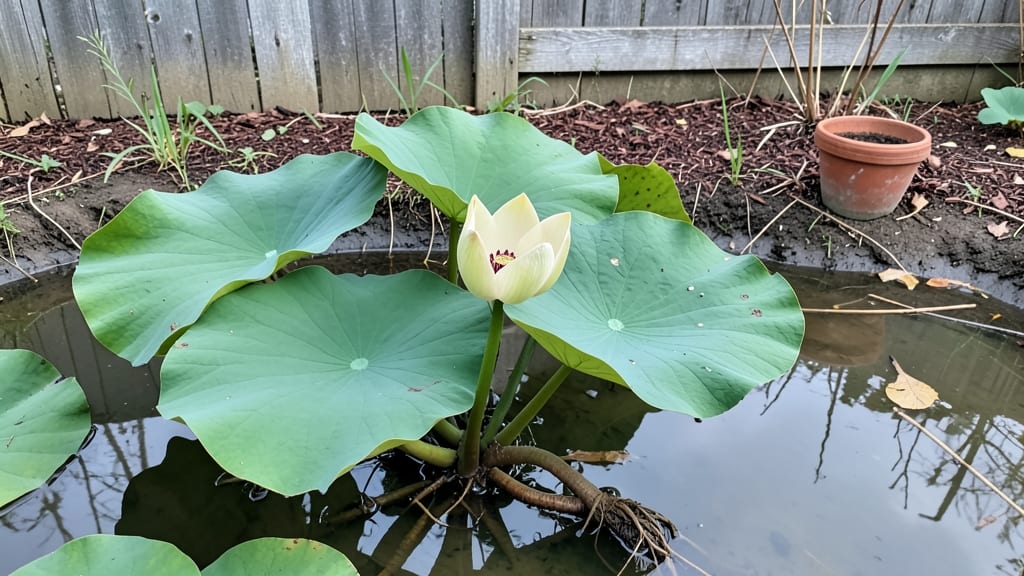
Planting lily pads transforms a stagnant pond into a living, breathing oasis—just 6 inches of water and a few simple steps separate you from those iconic, velvety green pads.
I remember the first time I saw my backyard pond go from murky to magical in just a few weeks, and it all started with choosing the right variety for my climate.
Tropical lily pads thrive in warmer waters, while hardy types like the yellow flag can handle cooler temperatures and even light frost. The key is matching the plant to your pond's conditions, not the other way around.
You'll need a few basic supplies: container-grown lily pads (not tubers), a pond net or gloves for handling, and a shallow spot with at least 12 inches of water depth—deeper roots mean stronger plants.
The soil matters too; use a mix of pond mud and a bit of compost to give those roots something to grip. Spacing is everything: plant them 12-18 inches apart so they have room to spread without crowding, which leads to weak, floating pads instead of sturdy growth.
This isn't rocket science, but getting these basics right makes all the difference.
Once planted, the real magic happens with patience and minimal care. Keep the water level steady—lily pads hate fluctuations—and add a bit of liquid fertilizer in spring to jumpstart growth.
Within 4-6 weeks, you'll see those first pads unfurl, and by summer, your pond will look like a serene, natural habitat. The best part? They multiply on their own, creating that classic lily pad effect without extra work. Slow growth?
Check the water depth or light—these plants need full sun to thrive.
This method works for backyard ponds, koi ponds, or even large containers—just scale the water volume accordingly. Hardy lily pads even survive winter in many climates, so you're not starting from scratch every spring.
The only real mistake is overcomplicating it: stick to the basics, and you'll have a pond that feels like a secret garden oasis in no time.
📚 In This Guide
- What you need
- Instructions
- Tips and common mistakes
- Wrapping up and next steps
What you need
- ● Lily pad plants: 10–20 Nymphaea or Nuphar tubers (depending on pond size; 1 tuber ≈ 1–2 sq ft coverage).
- ● Hardy varieties (e.g., Nymphaea ‘Helvola’) for cooler climates; tropical varieties (e.g., Nymphaea ‘James Brydon’) for warmer zones.
- ● Pond or container: Minimum 12–18 inches deep (deeper for tropical varieties).
- ● Size: 3–10 feet in diameter (adjust based on lily pad quantity).
- ● Natural or pre-formed pond liner (if not using a pre-made container).
- ● Gravel or aquatic soil: 1–2 inches of washed river gravel (for drainage) or pond-specific substrate.
- ● Water source: Access to dechlorinated water (pond water or rainwater preferred).
- ● Tools: Garden trowel or pond plant spacer.
- ○ Gloves (optional but recommended for handling tubers).
- ● Floating plant anchors: Small pond weights or clay pots to secure tubers initially.
- ● Fertilizer: Slow-release aquatic plant tabs (1–2 per tuber) for faster growth.
- ● Decorative elements: Smooth stones, driftwood, or floating LED lights for ambiance.
- ● Pond net: To protect plants from wildlife (e.g., birds or fish) during early growth.
Step-by-Step guide to planting lily pads in your pond
Transform your water feature into a serene, natural retreat with these simple steps.
Prepare the Water and Planting Site
Lily pads thrive in shallow, still water with at least 6-12 inches of depth—never deeper than 18 inches. Choose a spot with full sun exposure (6+ hours daily) for vibrant blooms and lush foliage. If your pond has fish or wildlife, ensure the water is free of chemicals and has a gentle slope for easy planting.
Before planting, gently stir the water to create a soft, muddy bottom where the roots can anchor. Avoid disturbing any existing aquatic plants or disturbing the pond's natural ecosystem. Clear away any debris or algae from the planting area to give your lily pads a clean start.
Plant the Lily Pads Correctly
Place the lily pad rhizomes (the thick, horizontal roots) 2-3 inches below the water’s surface, spacing them 12-18 inches apart to allow room for growth. If planting in containers, use the 3-gallon pots provided to secure the rhizomes while they establish roots. Press the soil lightly around the rhizome to hold it in place without burying it too deeply.
Keep the rhizome upright but not submerged—this ensures the plant gets enough oxygen and light to grow. If using bare-root plants, trim any damaged or mushy parts before planting to encourage healthy regrowth. Water the area gently after planting to settle the soil and help the rhizomes acclimate.
Maintain Water Levels and Encourage Growth
After planting, monitor the water level to ensure it stays within the 6-12 inch range—lily pads can’t survive in water that’s too deep or too shallow. If your pond loses water due to evaporation or splashing, top it up with dechlorinated water (let tap water sit for 24 hours or use a water conditioner to remove chlorine).
Fertilize lightly once a month during the growing season (spring and summer) with a slow-release aquatic plant fertilizer to promote lush foliage and vibrant blooms. You’ll notice new leaves emerging within 2-4 weeks, signaling that your lily pads are thriving. Avoid over-fertilizing, as this can lead to excessive algae growth in the water.
Prune and Winterize for Long-Term Success
Throughout the growing season, trim any yellowed or damaged leaves to keep the pond looking tidy and encourage new growth. If your lily pads produce flowers, you can remove spent blooms to redirect energy into foliage growth. However, leaving some blooms can attract pollinators and add beauty to your garden.
When autumn arrives and temperatures drop below 50°F, reduce fertilization and allow the plants to enter dormancy naturally. In colder climates, lift the rhizomes from the water and store them in moist peat moss in a cool, dark place until spring. In milder regions, they’ll overwinter in the pond with minimal care.
Tips & tricks for planting lily pads
Creating your own floating garden oasis starts with a few key strategies that make all the difference between thriving lily pads and struggling plants.
The Depth Factor: The 6-12 inch depth range is non-negotiable for lily pads. If your pond has areas deeper than 12 inches, consider using containers with drainage holes to keep the rhizomes at the proper depth. I've seen lily pads planted too deep struggle to survive, while those in the ideal zone grow vigorously. In Step 1, test your pond's depth with a measuring tape before planting to avoid disappointment.
Rhizome Placement Technique: When planting in Step 2, the 2-3 inch depth below water's surface is crucial for oxygen access. I like to use a small weight tied to a string to help position the rhizome at exactly 2 inches down. This prevents them from floating too high (which can cause rot) or sinking too low (which can suffocate the roots). The 12-18 inch spacing between plants gives them room to spread their leaves without competing for space.
Water Quality Preparation: The 24-hour dechlorination period for tap water is essential if you need to top up your pond. I always keep a separate container of dechlorinated water ready before planting day. You can also add a few drops of liquid fertilizer to this water to give your new plants a gentle boost right from the start. This simple step prevents potential chemical burns to the delicate rhizomes during their critical first few days.
Seasonal Timing: While you can plant lily pads anytime during the growing season, I've found the best results come from planting in early spring when water temperatures are consistently above 50°F. This gives the rhizomes several months of warm weather to establish strong root systems before winter arrives. In colder climates, avoid planting after temperatures drop below 50°F, as the plants need time to acclimate before dormancy.
Pro Tips for Planting Lily Pads
- Creating your own floating garden oasis starts with a few key strategies that make all the difference between thriving lily pads and struggling plants.
- The Depth Factor: The 6-12 inch depth range is non-negotiable for lily pads.
- Rhizome Placement Technique: When planting in Step 2, the 2-3 inch depth below water's surface is crucial for oxygen access.
Frequently asked questions
Got questions about transforming your pond into a lush lily pad paradise? Here are some of the most common ones—plus quick, expert-approved answers to keep your floating garden thriving!
When is the best time to plant lily pads?
Plant lily pads in early spring (after the last frost) or late summer for the best success. Avoid winter planting—they won’t survive freezing temps, and summer heat can stress young pads. If you’re in a warm climate, fall is also a great time!
Do lily pads need full sun, or can they grow in shade?
Most lily pads thrive in full sun (6+ hours daily), but some varieties (like Nymphaea ‘Helvola’) tolerate partial shade. If your pond is shady, choose smaller-leaved species or supplement with floating plants like water hyacinth. Just know—less sun = slower growth and fewer blooms!
Why aren’t my lily pads spreading like they should?
Slow growth usually means one of three things: not enough sunlight, poor water quality (low nutrients or stagnation), or root-bound containers. Try relocating them to sunnier spots, adding a slow-release fertilizer, or transplanting them to larger pots. Patience helps too—some varieties take 1–2 years to fully establish!
Can I plant lily pads in a small or decorative pond?
Even tiny ponds (as small as 3 feet wide) can host lily pads—just choose compact varieties like Nymphaea ‘Pygmaea Helvola’ (dwarf yellow lily). Avoid overcrowding; space plants 12–18 inches apart to prevent competition. For containers, use 5–10 gallon pots with aquatic soil.
Will lily pads attract frogs or other wildlife?
Yes! Lily pads are a magnet for frogs, dragonflies, and beneficial insects—great for natural pest control. They also provide shade for fish and shelter for tadpoles. If you’re eco-conscious, this is a win-win! Just avoid pesticides near the water to keep your new wildlife guests happy.
How do I overwinter lily pads in cold climates?
In freezing zones (USDA Zones 5–7), dig up container-grown lily pads in late fall, trim foliage, and store pots in 60°F soil (like a garage or basement). Leave hardy water lilies in place—they’ll survive if the pond doesn’t freeze solid. In spring, replant once ice melts and water temps rise above 50°F.
Wrapping up and next steps
Planting lily pads is a rewarding way to transform your pond into a thriving, serene oasis! 🌿 With the right materials, a little patience, and these simple steps, you’ll soon enjoy a lush, floating garden that attracts wildlife and adds beauty to your space.
Whether you’re a beginner or a seasoned gardener, the key is consistency—monitor water quality, provide sunlight, and watch your lilies flourish.
Ready to dive in? Start small—pick a sunny spot, gather your supplies, and take that first step toward a stunning aquatic garden. Your pond (and future frogs!) will thank you. 🐸✨