
Companion Plants
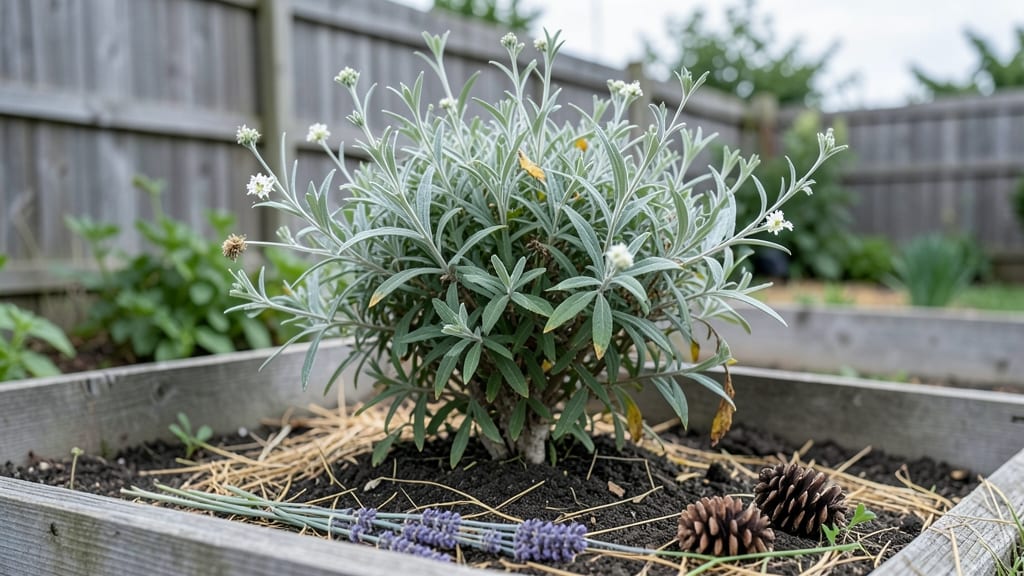
Creating wreaths with plants that last through every season is simpler than you think. 🌿 I’ve spent years experimenting with hardy evergreens and seasonal blooms that hold their shape, resist wilting, and bring that fresh-from-the-garden charm to your door.
The key isn’t just picking pretty plants—it’s choosing ones that thrive in your climate and won’t turn into a sad, drooping mess in two weeks.
My go-to lineup includes pine, cedar, and eucalyptus for that classic evergreen look, plus seasonal additions like magnolia leaves in spring or dried hydrangeas in fall.
These plants stay vibrant when harvested correctly—cut stems at an angle, remove lower branches, and store them in a cool, damp place until you’re ready to craft. You’ll end up with wreaths that look like they came from a boutique, not a big-box store.
The best part? These same plants grow effortlessly in your garden or even in containers. A single cedar bush can provide material for multiple wreaths, and eucalyptus grows fast enough that you’ll have fresh cuttings ready by the time the old ones dry out.
Plus, the process of harvesting and arranging them becomes a relaxing ritual—like gardening with a purpose.
Whether you’re making wreaths for holidays, rustic decor, or just because you love the smell of fresh greenery, this guide covers everything from plant selection to preservation. Let’s turn your garden into a year-round crafting studio.
What Makes Wreath Plants Fade
Wreaths bring seasonal charm, but their beauty can wilt faster than expected—especially when using fresh or semi-evergreen plants. Understanding why this happens helps you preserve their lushness longer. Here’s a breakdown of the key reasons, backed by science and actionable insights.
Plants are sensitive to sudden environmental shifts, and wreaths—often displayed outdoors—face harsh conditions. Extreme heat or cold can cause:
- Cell dehydration: High temperatures increase transpiration (water loss through leaves), drying out foliage. Evergreens like Pine or Eucalyptus may drop needles as a survival response.
- Cold stress: Freezing temps damage cell membranes in broadleaf plants (e.g., Boxwood or Hydrangea), turning leaves brown or crispy.
- Humidity imbalance: Low humidity (common in winter) accelerates moisture loss, while high humidity can promote fungal growth (e.g., mold on Cedar wreaths).
Actionable fix:
- Store wreaths in a cool (50–60°F), shaded spot (e.g., garage or porch).
- Mist evergreens lightly with water every 2–3 days if indoors to combat dry air.
- Avoid placing wreaths near heaters or drafty windows.
Unlike potted plants, wreaths are designed to be low-maintenance—but their structure (often dense and circular) traps moisture unevenly. Common watering mistakes include:
- Overwatering: Soggy centers (where water pools) lead to root rot in plants like Rhododendron or Camellia.
- Underwatering: Roots dry out quickly in tightly bound wreaths, starving leaves of nutrients.
- Improper absorption: Some plants (e.g., Juniper) have waxy needles that repel water, while others (e.g., Ferns) need consistent moisture.
Actionable fix:
- Use a spray bottle or soaker hose to water gently, focusing on the base of stems.
- For evergreens, soak the wreath in a tub of water for 10–15 minutes monthly to rehydrate roots.
- Drain excess water immediately to prevent fungal growth.
Wreaths left outdoors become buffets for pests and pathogens. Common culprits:
- Sap-sucking insects: Aphids or Spider mites drain plant sap, causing yellowing or stunted growth in Boxwood or Ivy.
- Fungal infections: High humidity breeds powdery mildew (white fuzzy coating on Hydrangea) or root rot in damp wreaths.
- Rodent damage: Mice or squirrels chew bark or foliage (e.g., Pine needles) for nesting material.
Actionable fix:
- Inspect wreaths weekly for holes, webbing, or discoloration.
- Spray with neem oil (natural pesticide) or insecticidal soap for pests.
- Store wreaths in mesh bags or hang them to deter rodents.
Not all plants thrive in wreaths. Some wilt quickly due to:
- Short lifespan: Seasonal plants like Daffodils or Cherry Blossoms dry out in weeks.
- Poor structural integrity: Delicate stems (e.g., Baby’s Breath) snap easily, while Roses lose petals fast.
- Dormancy needs: Some evergreens (e.g., Arborvitae) require year-round moisture to stay green.
Actionable fix:
- Opt for hardy evergreens like Pine, Cedar, or Holly for long-lasting wreaths.
- Avoid tropical plants (e.g., Orchids) unless kept indoors with humidity control.
- Mix 30% hardy plants with 70% seasonal fillers (e.g., Eucalyptus for texture).
Pro tip: 💡 For maximum longevity, rotate wreaths every 2–3 weeks if displayed outdoors to balance sun exposure and reduce stress on one side of the foliage.
Quick fixes for wreath plant problems
Creating stunning wreaths with plants is an art, but even the most beautiful greenery can face challenges—whether it’s wilting, pests, or fading color. The good news? Most issues have simple, practical solutions that keep your wreaths looking fresh and vibrant.
Below, we’ll tackle the most common problems with easy fixes and prevention tips to ensure your wreaths stay lush all year round.
Cause: Overwatering, underwatering, or poor drainage. Fix:
- Trim damaged stems 🔪—Cut back any brown, mushy, or dried-out foliage to encourage new growth.
- Adjust moisture levels 💧—Most wreath plants (like eucalyptus, pine, or cedar) prefer lightly damp (not soggy) conditions. Mist them every 2–3 days if indoors.
- Improve airflow 🌬️—If using fresh-cut greenery, store it in a cool, shaded spot with good ventilation (like a bucket of water with a damp cloth draped over the stems).
Prevention Tip: ✨ Use preservatives—Soak cut stems in a water + floral preservative mix (1 tsp per quart) for 30 minutes before arranging to extend freshness.
Cause: Spiders, aphids, or mites hitching a ride on outdoor plants. Fix:
- Inspect plants before use 🔍—Shake off debris and check leaves for tiny webs or bugs.
- Blast with water 🚿—Hold plants under a strong stream to dislodge pests.
- Use neem oil spray 🌿—Mix 1 tsp neem oil with 1 quart of water, spray lightly, and let dry (safe for most greenery).
Prevention Tip: 💡 Quarantine new additions—If sourcing plants from outdoors, isolate them for 24 hours to spot hitchhikers before weaving.
Cause: Sun exposure, age, or improper storage. Fix:
- Move to indirect light 🌞—Direct sunlight can bleach leaves. Place wreaths near a window but not in harsh afternoon rays.
- Boost vibrancy with vinegar rinse 🍶—For dried-out greenery, soak stems in 1 part white vinegar to 3 parts water for 10 minutes to revive color.
- Swap out old stems ⏰—Replace faded branches with fresh ones every 2–4 weeks for a polished look.
Prevention Tip: 🌡️ Store properly—Keep wreaths in a cool, dark place (like a garage or basement) when not in use to slow aging.
Cause: Poor hydration or cutting stems at the wrong angle. Fix:
- Recut stems diagonally ✂️—Trim ends at a 45-degree angle before arranging to maximize water absorption.
- Use a hydrating base 💦—Place wreaths on a damp sponge or floral foam soaked in water to keep stems hydrated longer.
- Seal with clear nail polish 💅—Dab the cut ends with clear polish to seal in moisture (works for dried arrangements too!).
Prevention Tip: 🎯 Choose the right greenery—Opt for thick-stemmed plants like boxwood, magnolia, or rosemary—they hold up better than delicate ferns.
Cause: Excess moisture trapped in dense foliage. Fix:
- Fluff up the wreath 🌬️—Gently separate overcrowded branches to improve airflow.
- Dry thoroughly 🌞—If stored wet, let it air-dry completely in sunlight before sealing in a bag.
- Add a fungicide spray 🛡️—Use a hydrogen peroxide spray (3% solution) to kill mold spores.
Prevention Tip: 🔥 Avoid plastic bags—Store wreaths in breathable fabric bags (like cotton) to prevent condensation buildup.
For everlasting wreaths, mix fresh and dried plants—e.g., pair hydrangeas (fresh) with dried lavender or wheat stalks. This combo reduces wilting while adding texture!
By addressing these issues head-on, your wreaths will stay fresh, pest-free, and stunning—whether displayed indoors or outdoors. Now go forth and craft wreaths that wow all season! 🌟
Frequently asked questions
What are the best evergreen plants for wreaths that last all year?
Pine, cedar, and eucalyptus are top choices—they hold their shape and fragrance beautifully. For extra durability, use boxwood or magnolia leaves as they resist wilting longer than delicate options. Harvest stems at the right time (early morning after dew dries) for maximum freshness.
Can I use dried flowers in wreaths, or do I need fresh greenery?
Dried flowers like lavender, baby's breath, or wheat stalks add texture and longevity. For a balanced look, mix 30% dried elements with 70% fresh greenery (e.g., pine or cedar). Dried materials prevent wilting but still offer seasonal charm.
How do I preserve wreath plants so they don’t wilt quickly?
Store cuttings in a cool (50–60°F), damp environment (like a bucket of water with a damp cloth). For long-term storage, wrap stems in a damp paper towel inside a plastic bag (leave it slightly open to prevent mold). Rehydrate by soaking stems in water for 10–15 minutes before arranging.
Are there seasonal plants I should avoid for wreaths?
Yes—avoid tropical plants like orchids or delicate blooms like roses, as they wilt fast. Also skip daffodils or cherry blossoms, which dry out within weeks. Instead, opt for seasonal fillers like hydrangeas (summer) or magnolia leaves (spring) that pair well with evergreens.
Can I grow my own wreath plants in containers?
Many wreath-friendly plants thrive in pots, like eucalyptus, rosemary, or dwarf pine. Use well-draining soil and place containers in partial sun. Harvest stems as needed—just ensure plants get regular pruning to encourage bushier growth for future wreaths.