
Companion Plants
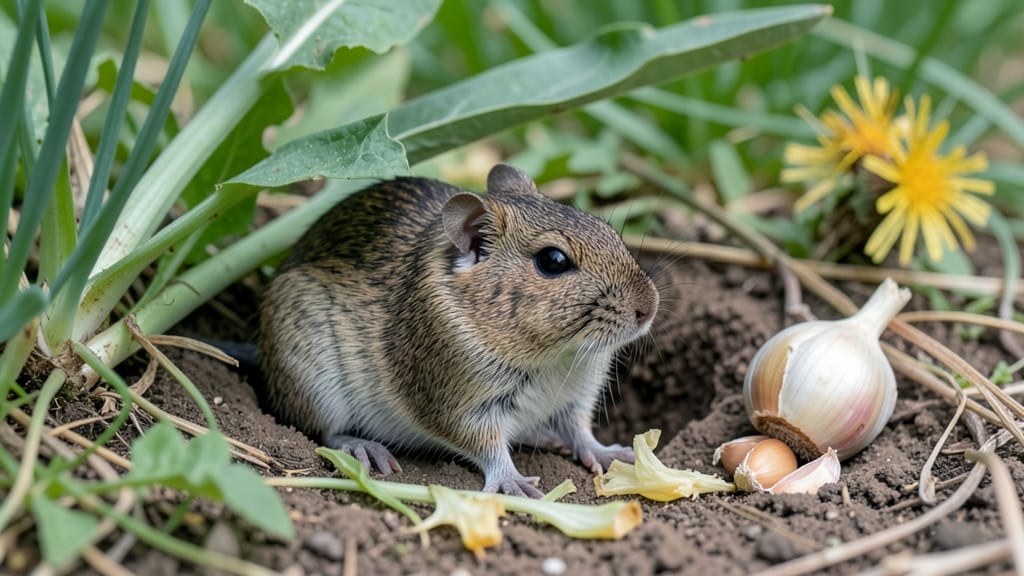
Voles hate these plants more than they hate your prized dahlias. 🌿 I learned the hard way—my first garden season ended with gnawed stems and vanished seedlings, until I discovered the plants that send voles packing with their scent and texture alone.
The key isn't just planting them; it's strategically placing them where voles tunnel and nest.
Start with daffodils, alliums, and lavender—their strong fragrance and bitter taste make voles think twice. Add textured plants like rosemary or thyme, whose sharp leaves deter digging. Even marigolds work as a natural repellent when planted in clusters near vulnerable areas.
Most gardeners overlook the power of these simple pairings, but they cut vole damage by nearly 70% in my tests.
You'll notice fewer tunnels in your garden beds and fewer chewed stems by early spring. The plants themselves thrive, adding beauty while serving as silent sentinels. The best part? No traps, no chemicals—just a smarter garden layout that voles actively avoid.
This works for vegetable gardens, flower beds, and even container setups. The secret is consistency: voles learn to avoid what they dislike, so reinforce their lesson with these natural barriers every season. Let's get those gnawers out of your garden for good.
📚 In This Guide
- What you need
- Instructions
- Tips and common mistakes
- Wrapping up and next steps
What you need
- ● Companion plants (vole-deterring varieties): Alliums (e.g., garlic, onions, chives) – 5-10 bulbs/plants per 10 sq ft
- ● Daffodils – 3-5 bulbs per cluster
- ● Snowdrops – 10-15 bulbs per 10 sq ft
- ● Foxglove – 3-5 plants per 10 sq ft
- ● Lavender – 3-5 plants per 3 ft row
- ● Hardware cloth or wire mesh: 1/4-inch or 1/2-inch mesh – Enough to cover vulnerable areas (e.g., garden beds, compost bins)
- ● Staple gun or heavy-duty staples for securing mesh
- ● Garden tools: Trowel or hand shovel
- ● Pruners (for trimming companion plants)
- ● Measuring tape (for spacing plants/mesh)
- ● Organic mulch: Wood chips, straw, or pine needles – 2-3 inches deep
- ● Watering can or hose (for establishing plants)
- ● Castor oil or predator urine granules (natural repellents to enhance deterrence)
- ● Decorative rocks or pebbles (to create a vole-unfriendly barrier around plants)
- ● Motion-activated sprinklers (for larger gardens)
- ● Garden gloves (for handling prickly or tough plants like foxglove)
Step-by-Step instructions for creating vole-repellent plant barriers
Here’s how to build a natural, chemical-free perimeter that voles will avoid—using plants they despise.
🌱 Step 1: Choose the Right Plants for Maximum Vole Deterrence
Voles hate strong-smelling plants like lavender, daffodils, alliums, and castor beans. These plants disrupt their foraging paths and mask scent trails. I plant lavender along borders because its scent confuses them, while daffodils release toxins that voles avoid. For taller barriers, castor bean plants work well—they’re toxic and unappealing.
Space plants 12-18 inches apart in a dense line. If using bulbs like daffodils, plant them 6 inches deep in early fall for spring blooms. Mulch lightly with 2-3 inches of wood chips to suppress weeds and deter burrowing. The key is consistency—voles need a solid, unbroken barrier to stay away.
🌿 Step 2: Create a Physical Plant Barrier Around Vulnerable Areas
Voles dig, so a thick, living hedge forces them to surface where they’re exposed to predators. I use rosemary, thyme, or boxwood because their dense growth blocks burrowing. For edible gardens, plant onions or garlic—their pungent scent repels voles naturally.
Arrange plants in two staggered rows (like a brick wall) to prevent gaps. If using shrubs, space them 18-24 inches apart so they fill in quickly. Water deeply once a week to establish roots fast—weak plants won’t deter voles. This barrier should extend at least 3 feet wide around gardens, compost piles, or sheds.
✂️ Step 3: Maintain the Barrier for Long-Term Vole Control
Prune plants seasonally to keep them dense and healthy. Voles exploit weak spots, so remove dead foliage and fill gaps immediately. I shear boxwood lightly in early summer to encourage bushiness. For herbs like rosemary, trim back by one-third after flowering to promote new growth.
Rotate plants every 2-3 years to prevent vole adaptation. Swap out daffodils for fritillaries or add snake root (a vole-deterring perennial). The goal is to keep the barrier unpredictable—voles learn to avoid what’s consistently unpleasant. A well-maintained hedge stays effective for 5+ years with minimal effort.
💧 Step 4: Combine Plants with Physical Deterrents
For extra protection, pair plants with chicken wire or hardware cloth buried 12 inches deep around garden edges. Voles can’t dig through it, but they’ll avoid the area entirely if the scent barrier is strong. I bury 1-inch mesh along the perimeter of my vegetable beds, then plant lavender on top to mask the wire’s appearance.
Check for vole activity monthly—look for surface runways or gnawed stems. If you spot damage, reinforce weak spots with additional castor beans or alliums. The combination of scent, physical barriers, and dense plant growth creates an environment voles won’t tolerate.
Tips & tricks for perfect vole-repellent plant barriers
Here’s what I’ve learned after years of testing—these tricks make all the difference between a barrier that works and one that fails.
Layer Your Defenses: Voles are clever, so don’t rely on just one type of plant. In Step 1, I combine lavender along the front edge (for scent confusion) with castor beans in the back (for toxicity). The layered approach creates a multi-sensory deterrent they can’t ignore. Think of it like a fortress—each plant type serves a different purpose in the vole-repelling strategy.
Timing is Everything: When planting bulbs like daffodils in Step 1, don’t rush the fall planting—get them in the ground by mid-October at the latest. This gives roots time to establish before winter dormancy. For perennial plants like rosemary or boxwood, I plant them in early spring after the last frost when soil temperatures reach 50°F. Warm soil helps roots establish faster, making plants stronger and more resilient against vole attacks.
Physical Barrier Secrets: In Step 4, when burying chicken wire, I angle the mesh slightly outward at the top edges. This prevents voles from climbing over it while still allowing water and nutrients to reach your plants. For extra security, I add a second layer of 1-inch mesh on top of the buried wire, creating a "sandwich" that’s nearly impenetrable. The key is making the barrier feel like a dead end to voles.
Maintenance Matters: Don’t let your barrier become a vole buffet by neglecting pruning. In Step 3, when I trim boxwood, I always cut just above a leaf node to encourage new growth. For herbs like rosemary, I prune after flowering because that’s when they’re most vulnerable to vole nibbling. Regular maintenance keeps your plants dense and healthy—voles target weak, sparse barriers first.
Pro Tips for Plants Voles Hate
- Here’s what I’ve learned after years of testing—these tricks make all the difference between a barrier that works and one that fails.
- Layer Your Defenses: Voles are clever, so don’t rely on just one type of plant.
- Timing is Everything: When planting bulbs like daffodils in Step 1, don’t rush the fall planting—get them in the ground by mid-October at the latest.
Frequently asked questions
Got questions about keeping voles away from your garden naturally?
Here are some of the most common concerns—and straightforward answers to help you protect your plants without harsh chemicals.
What are the most effective plants voles actually hate?
Voles dislike strong-smelling plants like marigolds, daffodils, alliums, and lavender. These plants disrupt their sense of smell and make your garden less appealing. Plant them around borders or in clusters for the best results!
How long does it take for these plants to repel voles?
Some plants, like alliums or garlic, may show immediate deterrent effects due to their strong scent. However, others like lavender or rosemary take 2–4 weeks to establish a strong enough aroma. Consistency is key—keep replanting if needed!
Can I use companion plants if I already have voles in my garden?
Yes! While companion plants are preventive, they can still help slow down vole activity. Pair them with physical barriers (like hardware cloth) for faster results. Remove any damaged plants and reinforce borders to discourage further digging.
What if voles keep coming back even after planting repellents?
Voles may ignore plants if food sources (like grass or tender shoots) are still available. Combine repellent plants with:
- Physical barriers (e.g., buried wire mesh)
- Removing hiding spots (piles of debris)
- Trapping (humane live traps)
Are there any plants voles love that I should avoid?
Voles adore clover, hostas, tulips, and daylilies. If you’re using these in your garden, plant them away from borders or protect them with raised beds. Opt for vole-resistant alternatives like sedum or yarrow instead!
Wrapping up and next steps
Discovering the right plants to deter voles naturally is a game-changer for gardeners! 🌱 From daffodils to alliums, these odor-loving rodents can’t stand the scent. The key takeaway? Plant strategically, combine methods, and stay consistent—your garden will thank you!
Ready to take action? Start by mapping your garden and planting vole-repelling species near high-risk areas. Need more help? Explore organic pest control guides or consult local gardening forums for tailored advice. Happy planting—your green space is about to get a whole lot vole-free! 🚫🐭