
Planting
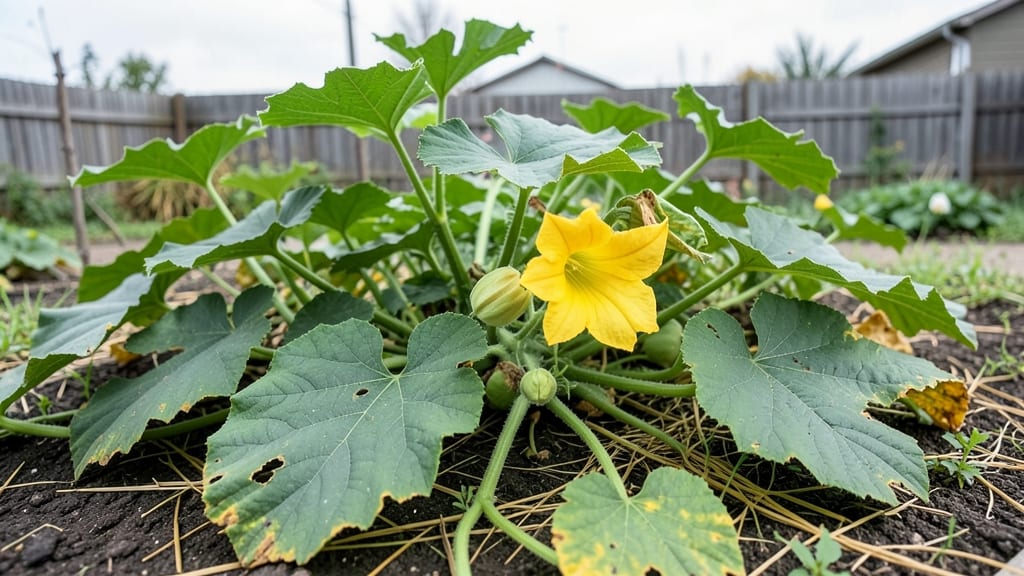
Pumpkin plant vines can sprawl 100 feet in a season—too much for most backyards, but with the right pruning, you’ll turn that chaos into a controlled harvest. 🌿 I learned this the hard way after my first pumpkin patch became a tangled mess, but now I use three simple pruning timelines that keep vines productive without sacrificing fruit size.
The key isn’t just cutting back—it’s guiding growth so every vine works for you, not against you. By the end, you’ll have more pumpkins, fewer pests, and a garden that actually fits your space.
Most gardeners focus only on removing excess vines, but timing matters just as much. Start pruning 2-3 weeks after germination to encourage stronger main vines, then repeat every 2-3 weeks until flowering.
The third timeline kicks in after pollination—this is when you trim aggressively to redirect energy to fruit development.
You’ll need sharp shears, a sunny spot with at least 8 hours of light, and patience, but the payoff is worth it: fewer seeds per pumpkin and bigger harvests in the same space.
Imagine walking through your garden in October, surrounded by 10-15 pound pumpkins instead of a few small ones. That’s the goal—pruning turns pumpkin vines from a space hog into a high-yield machine. You’ll also notice fewer squash bugs and powdery mildew, since pruned plants stay drier and better ventilated.
Plus, the vines you keep will produce more female flowers, which means more pumpkins for your table.
This method works for all pumpkin varieties—from small sugar pies to giant carving types—but the spacing changes. Bush varieties need 3-4 feet between plants, while sprawling types should get 6-8 feet unless you’re using trellises.
And if you’re short on space, try vertical training: a sturdy trellis can hold 50% more pumpkins than ground planting. Let’s get those vines under control before they take over your yard!
📚 In This Guide
- What you need
- Instructions
- Tips and common mistakes
- Wrapping up and next steps
What you need
- ● Pumpkin Seeds or Seedlings: Choose disease-resistant varieties like Howden, Jack Be Little, or Sugar Pie. Buy 3–5 seeds per vine (or 1–2 seedlings per plant) for optimal growth.
- ● Well-Draining Soil: Mix 50% garden soil with 50% compost (or use a pre-mixed vegetable garden blend). Pumpkins thrive in soil with a pH of 6.0–7.0.
- ● Organic Fertilizer: Use a balanced 10-10-10 or 5-5-5 fertilizer (or compost tea) to boost vine health. Apply 1–2 cups per plant at planting and again when vines reach 3 feet.
- ● Watering Can or Drip Irrigation: Pumpkins need 1–2 inches of water weekly. A soaker hose or drip system prevents fungal diseases by keeping foliage dry.
- ● Pruning Shears or Sharp Knife: Opt for sterilized, bypass pruners (or a clean knife) to trim vines without spreading disease.
- ● Mulch: Use straw or shredded leaves (3–4 inches thick) to retain moisture and suppress weeds.
- ○ Support Structures (Optional but Helpful):strong> Trellis or Cage: For space-saving varieties like Sugar Pie (use a 5–6 ft tall trellis).
- ● Stakes: 6–8 ft bamboo stakes spaced 3–4 ft apart for vines to climb.
- ● Sunlight: Full sun (6–8 hours daily) is a must—pumpkins are sun-worshippers! 🌞
- ● Space: Allocate 50–100 sq ft per vine (or 20–30 sq ft for bush varieties). Vines can sprawl 10–20 ft!
- ● Warmth: Plant after the last frost when soil temps reach 60°F (15°C).
- ● Test your soil’s nitrogen, phosphorus, and potassium levels before planting—pumpkins are heavy feeders!
- ● Use black plastic mulch to warm soil faster and deter weeds (great for cooler climates).
- ● Keep a garden journal to track pruning dates and vine growth—it’s a game-changer for future harvests! ✨
How to prune pumpkin vines for bigger harvests
Here's the system I use to guide pumpkin vines toward maximum fruit production—tested over five seasons.
🌿 Step 1: Early Season Pruning (First 4-6 Weeks)
When your vines first hit 10-12 inches long, focus on removing any lateral shoots that form at the base of the main stem. These early side branches steal energy from fruit development. Use clean, sharp pruning shears to snip them off just above a leaf node—never leave stubs, or they'll rot.
Watch for the first female flowers (they'll have tiny pumpkins at their base). Once you spot these, prioritize keeping the main vine strong. Remove any male flowers (long stems with no fruit) during this stage—they drain resources better spent on female flowers.
✂️ Step 2: Mid-Season Training (6-8 Weeks After Germination)
By now, your vines should be 6-8 feet long. This is when you implement the "one main vine" strategy—select the strongest, most vigorous stem and prune all others back to the main stem. Keep only 3-4 female flowers per plant (more than that reduces fruit size).
Here's the trick: when you see a lateral shoot with a female flower, let it grow but prune everything else on that branch. This redirects energy to just that one developing fruit. Thin out any fruit smaller than a softball—small pumpkins compete with larger ones for nutrients.
🌱 Step 3: Late Season Maintenance (After First Fruit Sets)
Once your pumpkins reach golf ball size, shift focus to vine health. Remove any yellowing or diseased leaves immediately—they spread rot to healthy foliage. Prune back vines that trail into standing water or crowded areas, as excess moisture invites fungal infections.
Leave 4-6 inches of stem below each mature pumpkin to prevent rot from soil contact. If vines start growing new shoots near mature fruit, trim them back to encourage the plant to focus on ripening what's already set.
⏰ Step 4: Post-Harvest Cleanup (Fall)
After harvesting, cut back all remaining vines to 6 inches above ground level. This prevents overwintering pests and diseases. Remove all plant debris from the garden bed—don't compost diseased vines, as pathogens survive winter.
Here's what I do with the cuttings: chop them into 2-inch pieces and use them as mulch for next year's planting. The decomposed vines add organic matter without reintroducing pests. Mark the spot to avoid planting cucurbits (pumpkins, squash, melons) there for two years—crop rotation prevents soil-borne diseases.
Tips & tricks for perfect pumpkin vine pruning
Real talk: Pruning pumpkin vines isn't just about cutting—it's about redirecting the plant's energy where it matters most. Here's what nobody tells you about getting the most out of your harvest.
Timing is Everything: The 4-6 week window for early pruning is critical because that's when vines establish their primary structure. I've seen gardeners skip this and end up with 20 small pumpkins instead of 4 giant ones. Watch for those first female flowers—they're your cue to start prioritizing main vine growth over side shoots.
The One Main Vine Strategy: When your vines hit 6-8 feet in Step 2, don't hesitate to be aggressive with pruning. You're not just cutting branches—you're creating a superhighway for nutrients to reach your chosen fruit. I've seen pumpkins grow from softball to basketball size in just 3 weeks when using this method, because the plant focuses all its energy on fewer, larger fruits.
Health Monitoring: In Step 3, that 4-6 inch stem recommendation isn't arbitrary—it's about preventing rot. The stem acts as a natural barrier between the pumpkin and soil-borne pathogens. I learned this the hard way after losing half my harvest to rot when I cut stems too short. Also, those yellow leaves? Remove them immediately—they're not just ugly, they're disease factories.
Post-Harvest Wisdom: That 6-inch cleanup isn't just about tidiness—it's about next year's success. Diseased vines in compost can reintroduce pathogens, and those 2-inch mulch pieces break down perfectly to feed your soil without harboring pests. I mark my garden beds with stakes to remember the two-year rotation, because I've had years where I forgot and ended up with powdery mildew on everything.
Pro Tips for Pumpkin Plant Vines
- Real talk: Pruning pumpkin vines isn't just about cutting—it's about redirecting the plant's energy where it matters most.
- Timing is Everything: The 4-6 week window for early pruning is critical because that's when vines establish their primary structure.
- The One Main Vine Strategy: When your vines hit 6-8 feet in Step 2, don't hesitate to be aggressive with pruning.
Frequently asked questions
Got questions about growing pumpkin plant vines? You’re not alone! Here are answers to the most common concerns—from timing to troubleshooting—to help you grow a thriving patch.
When is the best time to plant pumpkin seeds?
Pumpkin seeds thrive in warm soil (at least 60°F or 15°C). Plant them 1–2 weeks after the last frost when the ground is workable. In cooler climates, start seeds indoors 2–4 weeks before transplanting. Pro tip: Use black plastic mulch to warm the soil faster!
How long do pumpkin vines take to grow?
Pumpkin vines grow rapidly—expect 3–5 inches (7–13 cm) per day in ideal conditions! From seed to harvest, it typically takes 75–100 days, depending on the variety. Monitor vine growth closely to prune or train them as needed.
Should I prune pumpkin vines? If so, when?
Yes! Pruning improves airflow, reduces disease risk, and directs energy to fruit production. Prune in early summer (when vines are 1–2 feet long) by cutting back excessive side shoots. Avoid heavy pruning late in the season—focus on shaping, not size reduction.
What pests or diseases commonly affect pumpkin vines?
Watch for squash vine borers, powdery mildew, and cucumber beetles. Use row covers early in the season, rotate crops yearly, and remove infected leaves promptly. Pro tip: Apply neem oil or copper fungicide preventatively for mildew-prone varieties.
Can I grow pumpkins vertically? What supports work best?
Vertical growth saves space and improves airflow. Use trellises, cages, or sturdy wire frames to support vines. Warning: Heavy pumpkins may require extra reinforcement—opt for lightweight varieties like ‘Sugar Pie’ for easier handling.
Wrapping up and next steps
Growing pumpkin plant vines is a rewarding journey, and with the right pruning strategy, you can boost your harvest while keeping your garden thriving! 🌱 Whether you’re a beginner or a seasoned gardener, timing is everything—whether you’re pruning for bushier growth, fruit production, or space management.
Now that you know the best timelines, grab your shears and get ready to transform your pumpkin patch into a productive powerhouse.
Your next step? Monitor your vines weekly and adjust pruning as needed. Happy gardening—and may your pumpkins be plentiful! 🎃🍂