
Companion Plants
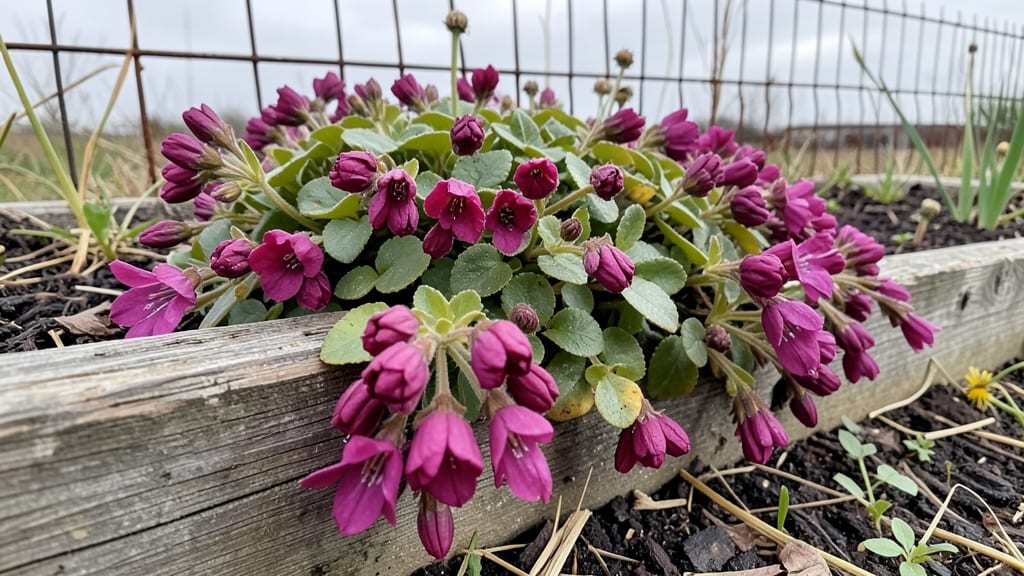
Red Aubrieta plants bring bold, cascading red blooms that defy winter’s chill and summer’s dry spells—my front-yard edges have never looked so vibrant. 🌿 The secret lies in its drought-proof resilience and ability to thrive in rocky soil where other plants fail, making it the perfect low-maintenance star for slopes, borders, or container spills.
You’ll need full sun to partial shade, well-draining soil (even poor, rocky ground works), and minimal watering once established.
Plant in early spring or fall, spacing them 8-12 inches apart—they’ll spread like a living carpet, smothering weeds and attracting bees with their bright blooms from late winter through spring.
Prune back by one-third after flowering to encourage a second wave of blooms, and resist the urge to overwater. These plants hate soggy roots but bounce back from drought like nothing happened. Within a season, you’ll have a neighborhood-jealousy-inducing display that requires almost no effort.
Perfect for rock gardens, alpine beds, or even hanging baskets—they adapt to almost any spot. Here’s how to keep them thriving year after year without the fuss.
📚 In This Guide
- What you need
- Instructions
- Tips and common mistakes
- Wrapping up and next steps
What you need
- ● Red Aubrieta Plants: 6–12 mature plants (for full coverage in a 3’x3’ area)
- ● OR 1 packet of seeds (500–1,000 seeds, germination rate ~70%)
- ● Well-draining soil: Mix of native soil + 20–30% perlite or coarse sand (1 bag per 4 sq ft)
- ● Organic compost: 1–2 cups per planting hole (for nutrients)
- ● Slow-release fertilizer: 10-10-10 or 5-5-5 (1 tbsp per plant at planting)
- ○ Mulch (optional but recommended): 1–2 inches of gravel or pine bark (to retain moisture)
- ● Garden trowel or hand shovel
- ● Pruners (for trimming after flowering)
- ● Watering can or hose with a gentle spray nozzle
- ● Gloves (to protect hands from soil)
- ● Measuring tape (for spacing plants 8–12” apart)
- ● Container or seed trays (if starting from seed)
- ● Full sun to partial shade (6+ hours of sunlight daily)
- ● Drought-tolerant zone (USDA Hardiness Zones 4–9)
- ○ Slope or raised bed (optional, for better drainage)
- ● Patience! Aubrieta thrives in well-established spots (3–4 weeks for seeds to sprout).
Instructions for planting and maintaining red aubrieta for year-round color
Here's how to cultivate vibrant red aubrieta that thrives with minimal care and delivers bold color season after season.
🌱 Step 1: Select the Perfect Planting Site
Choose a location with full sun exposure (6+ hours daily)—aubrieta blooms most prolifically when basking in direct sunlight. The plant tolerates partial shade but will produce fewer flowers and may become leggy. I always test the site first by observing how much sun it gets over a week before planting.
Ensure excellent drainage—this is critical for aubrieta's health. Poor drainage leads to root rot, which can kill the plant quickly. If your soil is heavy clay, amend it with 2-3 inches of coarse sand or gravel mixed into the top 6 inches before planting. You'll know drainage is right when water runs through the soil within 10-15 minutes after watering.
🪴 Step 2: Plant Aubrieta Correctly for Optimal Growth
Dig holes twice as wide as the root ball but only as deep as the container it came in. Gently remove the plant from its container and loosen any circling roots with your fingers. Place the plant in the hole so the top of the root ball sits just below soil level—burying too deeply can suffocate the plant.
Backfill with native soil, pressing lightly to eliminate air pockets while avoiding compaction. Water deeply right after planting to settle the soil and encourage root establishment. You'll see new growth within 2-3 weeks if conditions are right, signaling the plant has taken root successfully.
☀️ Step 3: Water and Fertilize for Vibrant Blooms
Water newly planted aubrieta deeply once a week during the first month, allowing the top 1-2 inches of soil to dry out between waterings. Once established, aubrieta is drought-tolerant and requires water only when the soil feels completely dry to the touch. Overwatering is the most common mistake—it leads to root rot and stunted growth.
Apply a balanced, slow-release fertilizer (10-10-10) at planting time and again in early spring to promote lush foliage and abundant blooms. Avoid high-nitrogen fertilizers, which encourage leafy growth at the expense of flowers. You'll know fertilization is working when the plant produces dense clusters of flowers rather than sparse, leggy stems.
✂️ Step 4: Prune and Maintain for Year-Round Color
Deadhead spent blooms regularly to encourage continuous flowering. Simply pinch off faded flowers with your fingers or use clean pruners. I like to do this every 2-3 weeks during the growing season to maintain a neat appearance and prolong the blooming period.
After the first flush of blooms in spring, give the plant a light trim to shape it and remove any leggy growth. This encourages bushier, more compact plants that produce even more flowers. In late fall, cut back the plant by one-third to promote fresh growth in spring. You'll see new shoots emerge within 3-4 weeks in early spring, signaling the plant is ready for another vibrant season.
🌿 Step 5: Overwintering for Next Year's Beauty
Red aubrieta is hardy in USDA zones 5-9 and can survive winter with minimal care. If you're in zone 5 or 6, mulch the base of the plant with 2-3 inches of straw or shredded leaves after the first frost to protect the roots from freezing temperatures.
Remove the mulch in early spring once new growth appears. Avoid heavy winter mulch in warmer zones, as it can smother the plant. You'll notice fresh green shoots emerging in late winter or early spring, indicating the plant is ready to bloom again. This hardiness makes aubrieta one of the easiest perennials to maintain year after year.
Tips & tricks for perfect red aubrieta care
These practical insights will help you transform your red aubrieta into a vibrant, low-maintenance centerpiece that thrives year after year.
Site Selection Secret: When testing your location's sun exposure over a week before planting, use a simple trick: place a small white object (like a rock or marker) in the spot each morning. If it casts a shadow for most of the day, you've got your ideal full sun location. Aubrieta's bright red blooms will reward you for this precision—partial shade sites may produce flowers, but they'll be sparse and lack the bold color you're after.
Drainage Test: The 10-15 minute drainage test in Step 1 is your best friend for preventing root rot. For heavy clay soils, consider creating raised beds instead of amending—this guarantees perfect drainage without the risk of over-amending. I've seen aubrieta plants in raised beds thrive for over a decade with minimal care, while those in poorly drained ground struggle within months.
Root Establishment Hack: After planting, I recommend giving your aubrieta a "soak and wait" treatment: water deeply for 10 minutes, then let the soil dry completely before watering again. This mimics natural rainfall patterns and encourages strong root development. You'll notice the first signs of successful establishment when new growth appears within those critical 2-3 weeks mentioned in Step 2.
Fertilizer Timing: The balanced 10-10-10 fertilizer application at planting time and early spring is non-negotiable for vibrant blooms. Here's what I've learned: if you're in a warmer climate (zones 7-9), you can add a third application in late summer to extend the blooming season. The key is to avoid high-nitrogen fertilizers—they'll give you lush leaves but sparse flowers, which defeats the purpose of growing aubrieta for its stunning color.
Pro Tips for Red Aubrieta Plants
- These practical insights will help you transform your red aubrieta into a vibrant, low-maintenance centerpiece that thrives year after year.
- Site Selection Secret: When testing your location's sun exposure over a week before planting, use a simple trick: place a small white object (like a rock or marker) in the spot each morning.
- Drainage Test: The 10-15 minute drainage test in Step 1 is your best friend for preventing root rot.
Frequently asked questions
Got questions about growing red aubrieta plants? You’re not alone—this hardy, drought-tolerant beauty has a few quirks! Here are answers to the most common queries to help you cultivate a stunning, low-maintenance display.
When is the best time to plant red aubrieta?
For spring blooms, plant red aubrieta in early fall (6–8 weeks before frost) so roots establish before winter. If planting in spring, do it as soon as the soil is workable (around USDA Zone 5–10). Avoid summer heat—it stresses young plants!
Why isn’t my red aubrieta blooming?
Red aubrieta needs full sun (6+ hours/day) and well-draining soil to thrive. If it’s not blooming, check for:
- Shade: Move to sunnier spot.
- Overwatering: Let soil dry between waterings.
- Old growth: Prune spent blooms to encourage reblooming.
How often should I water red aubrieta?
Once established, red aubrieta is drought-tolerant—water deeply but infrequently (every 1–2 weeks, unless in extreme heat). New plants need weekly watering until roots spread. Overwatering causes root rot, so prioritize well-draining soil (mix in sand or gravel if needed).
Can I grow red aubrieta in containers?
Red aubrieta thrives in containers 6+ inches deep with drainage holes. Use a fast-draining potting mix (add perlite or sand) and place in full sun. Bonus: It cascades beautifully over walls or hanging baskets! Just water less frequently than in-ground plants.
Are red aubrieta plants deer- or pest-resistant?
Red aubrieta is deer-resistant (thanks to its bitter taste), but aphids or slugs may still visit. To deter pests:
- Spray with neem oil for aphids.
- Use copper barriers or diatomaceous earth for slugs.
- Encourage ladybugs (natural predators) with nearby pollinator plants.
Wrapping up and next steps
Red Aubrieta plants are a game-changer for any garden—offering vibrant color, year-round interest, and effortless drought resistance. Whether you’re filling gaps, creating cascading borders, or adding a pop of color to rocky slopes, these hardy beauties deliver beauty with minimal fuss. 🌸
Ready to transform your space? Start by choosing your favorite red variety, prepping the soil, and planting with confidence! Grab your gloves and get growing—your garden’s next star is waiting!