
Companion Plants
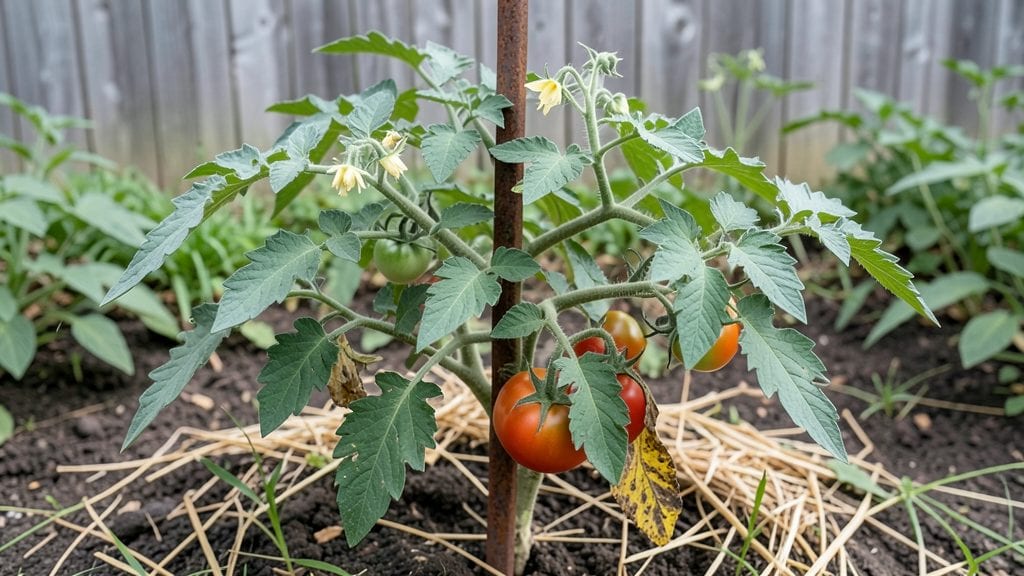
Growing Roman tomato plants means harvesting heirloom tomatoes that taste like summer in every bite—if you prune them right. 🌱 I learned the hard way that these vines need different care than store-bought hybrids, and once I cracked the pruning code, my plants exploded with 50-pound tomatoes that neighbors begged for.
The secret isn’t complicated, but it’s critical: timing, technique, and knowing when to stop cutting.
These plants thrive in full sun and well-draining soil, but their real magic happens when you shape them properly. Unlike indeterminate varieties, Roman tomatoes respond best to 3 strategic pruning cuts—each one designed to boost fruit production while keeping the plant strong.
You’ll need basic pruners, a sunny spot (at least 6 hours of light), and patience for the first few weeks while the vines establish.
By summer’s peak, you’ll be picking deep-red, meaty tomatoes that slice like beefsteak but with a sweeter, more complex flavor. The plants stay compact enough for containers or small gardens, and their disease resistance means fewer chemical sprays. The key is pruning early and often—before the vines get too crowded.
Works for gardeners in zones 5-10, whether you’re growing in raised beds, containers, or in-ground plots. Here’s exactly how to do it without killing your plants—or your neighbors’ envy.
📚 In This Guide
- What you need
- Instructions
- Tips and common mistakes
- Wrapping up and next steps
What you need
- ● Roman tomato seeds or seedlings: Choose heirloom or hybrid varieties labeled as "Roman" (e.g., 'Roma,' 'Plum,' or 'San Marzano'). Quantity: 3–6 plants (or seeds for 6–10 plants).
- ● Containers or garden space: For containers: 5-gallon pots or larger (minimum 12" diameter) with drainage holes. Quantity: 1 per plant.
- ● For garden beds: Full sun (6–8+ hours/day), well-draining soil, and space 18–24" apart.
- ● High-quality potting mix: Lightweight, nutrient-rich blend (e.g., 60% compost, 30% peat/coco coir, 10% perlite). Quantity: 1–2 cubic feet per plant.
- ● Fertilizer: Balanced organic fertilizer (e.g., 5-5-5 or 10-10-10). Use: At planting and every 4–6 weeks.
- ○ Tomato-specific fertilizer (high in phosphorus/potassium). Optional but recommended.
- ● Pruning tools: Bypass pruners (sharp, clean). Quantity: 1 pair.
- ● Hand pruners (for smaller cuts). Quantity: 1 pair.
- ● Support system: Cages (5–6 ft tall). Quantity: 1 per plant.
- ● OR stakes (6 ft long) + soft ties. Quantity: 2–3 stakes per plant.
- ● Mulch: Straw or shredded leaves (2–3" layer). Quantity: Enough to cover soil around plants.
- ● Watering can or hose with nozzle: For gentle, deep watering.
- ● Companion plants: Basil, marigolds, or borage to deter pests and boost growth.
- ● Growth stimulants: Seaweed extract or compost tea for extra nutrients.
- ● Shade cloth: 30–50% coverage for hot climates (protects flowers from sunburn).
- ● Plant markers: Labels to track varieties and pruning schedules.
Step-by-Step guide to pruning Roman tomato plants for maximum yield
Roman tomatoes reward precise pruning with heavier fruit and stronger vines—here’s how to do it right.
🌱 Step 1: Identify Key Growth Points for Pruning
Start by locating the main stem and suckers—those small shoots growing between the stem and branches. Roman tomatoes, being indeterminate, grow continuously, so pruning focuses on removing suckers below the first flower cluster. This directs energy upward to fruit production rather than leaf growth.
Use your fingers to gently pinch off suckers when they’re no bigger than a pencil eraser—larger ones will drain energy. I always prune on a dry morning to reduce disease risk from wet tools or cuts. If a sucker is too large to pinch, use clean bypass pruners to snip just above the leaf node where it meets the stem.
✂️ Step 2: Remove Lower Leaves and Non-Fruiting Branches
Once your plant reaches 3-4 feet tall, strip away all leaves below the bottom fruit cluster. This improves airflow, reduces disease risk, and ensures sunlight reaches lower fruit. I use my fingers to gently twist leaves off—avoid tearing the stem. For stubborn stems, snip with pruners but leave a small ¼-inch stub to prevent infection.
Next, prune any weak or crisscrossing branches that compete for energy. Healthy branches should grow outward at a 45-degree angle from the main stem. If two branches grow parallel, remove the smaller one to prevent shading and crowding. This keeps the plant’s energy focused on fruit-bearing zones rather than unnecessary foliage.
☀️ Step 3: Balance Pruning with Light Exposure
After pruning, step back and assess light penetration. Your goal is to leave open space between branches so sunlight reaches the fruit clusters. If leaves still block light, remove a few more. Romans thrive with 6-8 hours of direct sun, but dense foliage can create shaded spots where fruit stays small or splits.
Here’s the thing—don’t over-prune. If more than 30% of the plant’s leaves are gone, it struggles to photosynthesize. I aim to keep half the leaves for energy production while still maximizing airflow. Watch for yellowing leaves—this signals over-pruning or stress, so adjust in future sessions.
⏰ Step 4: Schedule Pruning for Optimal Growth
Prune every 1-2 weeks during the growing season to maintain shape and yield. Early in the season, focus on sucker removal to build a strong framework. As flowers appear, shift to leaf stripping and branch thinning to prioritize fruit development. Always prune in the morning when plants are dry, reducing disease risk.
Stop pruning 4-6 weeks before your first frost to let remaining leaves harden and protect developing fruit. I mark my calendar with a reminder—pruning too late stresses the plant when it’s already preparing for dormancy. By then, your Roman tomatoes should be heavy with beefsteak-sized fruit ready for harvest.
Tips & tricks for perfect Roman tomato pruning
Mastering Roman tomato pruning transforms your harvest—here's how to avoid common pitfalls and maximize those beefsteak-sized fruits.
Timing Secret: In Step 1, when removing suckers, focus on those below the first flower cluster—this is where the plant directs its energy. I've learned the hard way that leaving even one sucker can divert nutrients from fruit production. Use your fingers for suckers smaller than a pencil eraser, but switch to clean bypass pruners for larger ones to avoid damaging the main stem. Always prune in the morning when plants are dry to minimize disease risk from wet tools or cuts.
Technique Tip: During Step 2, when stripping leaves below the bottom fruit cluster, aim to keep about half the leaves total. This balance ensures your plant maintains energy production while improving airflow. I twist leaves off gently to avoid tearing—they should come away cleanly. For stubborn stems, snip with pruners but leave a ¼-inch stub to prevent infection and allow the wound to heal properly.
Light Exposure Strategy: After pruning in Step 3, step back and assess your plant's light exposure. Romans need 6-8 hours of direct sun, but dense foliage can create shaded spots where fruit stays small. Remove just enough leaves to create open space between branches—think of it like creating a canopy that lets sunlight reach all fruit clusters. Watch for yellowing leaves, which signal over-pruning or stress, and adjust in future sessions.
Seasonal Pruning Calendar: The 1-2 week pruning schedule in Step 4 works best when you adjust your focus as the season progresses. Early on, prioritize sucker removal to build a strong framework. As flowers appear, shift to leaf stripping and branch thinning to prioritize fruit development. Remember to stop pruning 4-6 weeks before your first frost—this allows remaining leaves to harden and protect developing fruit during dormancy.
Pro Tips for Roman Tomato Plants
- Mastering Roman tomato pruning transforms your harvest—here's how to avoid common pitfalls and maximize those beefsteak-sized fruits.
- Timing Secret: In Step 1, when removing suckers, focus on those below the first flower cluster—this is where the plant directs its energy.
- Technique Tip: During Step 2, when stripping leaves below the bottom fruit cluster, aim to keep about half the leaves total.
Frequently asked questions
Got questions about growing Roman tomato plants? You’re not alone! Here are answers to the most common queries to help you nurture thriving vines and a bountiful harvest.
When should I plant Roman tomato seeds or seedlings?
For optimal growth, plant seeds indoors 6–8 weeks before your last frost date or transplant seedlings after soil temps hit 50°F+. Roman tomatoes thrive in warm climates, so avoid early planting—they’re sensitive to cold. Use black plastic mulch to warm the soil faster!
How often should I prune Roman tomato plants?
Prune Roman tomatoes weekly during the growing season to remove suckers (side shoots) and encourage upward growth. Focus on main stems and lower branches—this variety benefits from open airflow. Use clean shears and avoid over-pruning, which can stress the plant. Check out our 3 pruning secrets for better yields!
Are Roman tomatoes determinate or indeterminate?
Roman tomatoes are indeterminate, meaning they grow continuously and produce fruit all season long. Unlike determinate varieties, they don’t stop growing at a certain height—expect vines to reach 6–10 feet! Support them with cages or stakes early to prevent sprawling.
What pests or diseases should I watch for with Roman tomatoes?
Common threats include hornworms, aphids, and blight. Inspect leaves regularly for holes or sticky residue. Use neem oil or row covers for pests, and ensure proper spacing (18–24 inches apart) to improve airflow. Pair with basil or marigolds to deter pests naturally!
Can I grow Roman tomatoes in containers? If so, what size pot is best?
Yes! Roman tomatoes adapt well to containers but need 5-gallon pots minimum. Choose pots with drainage holes and fill with lightweight potting mix. Place containers in full sun (6–8+ hours/day) and fertilize weekly with a balanced solution. Dwarf varieties may fit in smaller pots, but standard Romans need room to grow!
Wrapping up and next steps
Growing Roman tomato plants is a rewarding journey—especially when you master the art of pruning! With the right techniques, you’ll enjoy bountiful vines, healthier fruit, and a garden that thrives. Remember: balance is key—prune to encourage airflow, remove suckers early, and never overdo it. 🌱
Now that you’re armed with these 3 pruning secrets, it’s time to roll up your sleeves! Start small—pick a sunny spot, grab your shears, and give your Roman tomatoes the care they deserve. Happy gardening!