
Plants
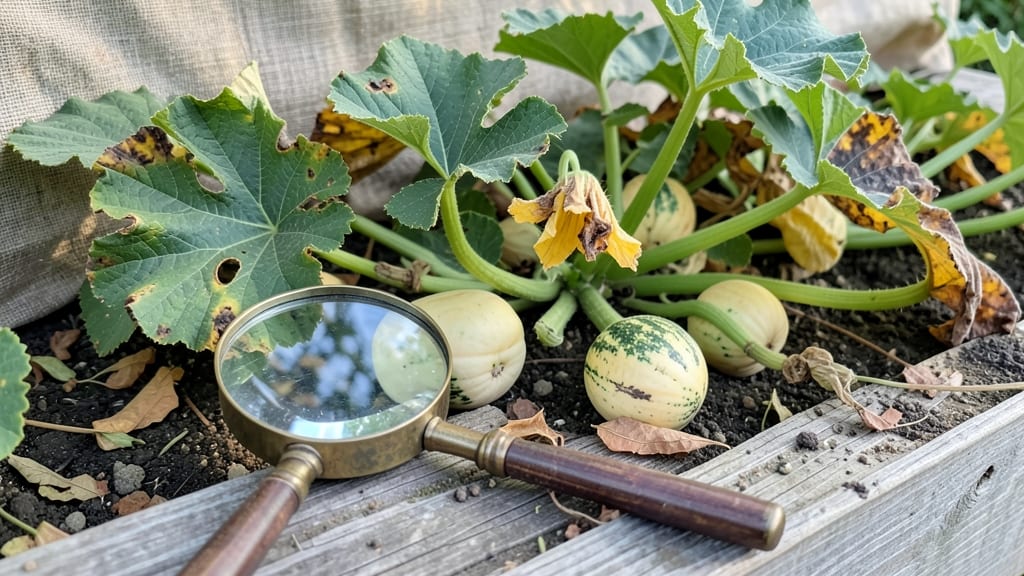
That musty smell and the sudden yellow spots on your squash plant blight-struck leaves? Don’t panic—this is exactly how I saved my 2021 summer crop from total collapse. 🌱 The telltale wilting and that fungal ambush... smell?
Classic signs of squash blight, but with the right moves, you can turn things around before the whole patch goes down.
Most gardeners assume blight means game over, but I’ve learned it’s all about timing and the right mix of prevention and treatment. The key is acting fast—once those spots spread, the fungus moves faster than you can say "zucchini harvest."
Start by yanking the worst-infected leaves and giving your plants room to breathe; crowded vines just feed the problem.
You’ll have healthy, productive vines again in just a few weeks if you tackle this right. I’ll walk you through the exact steps I used to stop the spread—from copper sprays to proper spacing—and how to keep your plants strong enough to bounce back.
Trust me, your next harvest will thank you.
This works for summer squash, winter squash, and even pumpkins—just adjust the timing based on your growing season. Let’s get those vines fighting back before it’s too late.
Root Causes Of Vine Decline
Understanding why your squash plants develop blight is the first step to saving them. This fungal or bacterial disease thrives under specific conditions, often linked to environmental stress, poor garden hygiene, or plant vulnerabilities. Let’s break down the key factors that turn your thriving vines into wilting casualties.
Blight-causing pathogens—like Phytophthora or Pseudomonas—love moisture. When squash plants sit in damp soil or face prolonged humidity (especially above 75°F with high nighttime dew), spores spread rapidly. Poor airflow between leaves creates the perfect breeding ground.
Why it happens:
- Fungal spores splash from soil onto leaves during watering or rain.
- Bacterial strains multiply in standing water, entering plants through wounds (e.g., insect bites, pruning cuts).
- Condensation on leaves at night keeps them damp for hours, accelerating infection.
Actionable fix: Space plants for airflow, water at soil level (not overhead), and avoid planting in low-lying areas where water pools.
Blight pathogens persist in soil for years, especially if infected plant debris (like rotting vines or leaves) isn’t removed. Even compost piles can harbor spores if they contain diseased material.
Why it happens:
- Old infections resurface when new squash plants are introduced to the same spot.
- Weeds or mulch harboring spores spread to healthy plants.
- Reused containers (without sterilization) transfer pathogens to fresh seedlings.
Actionable fix: Rotate crops annually, sterilize tools with bleach solution (1:10 ratio), and remove all plant debris after harvest. Solarize soil in late summer to kill pathogens.
Stressed squash—whether from nutrient deficiencies, pests, or extreme weather—are prime targets for blight. Weak plants can’t fight off infections, making them easy prey.
Why it happens:
- Nitrogen deficiency (yellowing leaves) reduces plant resilience.
- Pests (like squash bugs or cucumber beetles) create entry points for bacteria.
- Sudden temperature swings (e.g., frost followed by heat) shock the plant’s immune system.
Actionable fix: Feed plants with balanced fertilizer (10-10-10), monitor for pests, and mulch to stabilize soil temperature.
Some squash varieties are bred for disease resistance, while others are highly susceptible. If you’re growing heirlooms or tropical types in a humid climate, blight becomes a recurring nightmare.
Why it happens:
- Non-resistant hybrids (like some butternut or acorn squash) lack genetic defenses.
- Climate mismatch—e.g., planting tropical squash in a damp, cool region.
Actionable fix: Choose blight-resistant varieties (e.g., ‘Defender’ or ‘Waltham Butternut’) or opt for container-grown squash in high-risk areas.
Pro Tip: 💡 Test your soil pH—blight thrives in acidic soil (pH < 6.0). Amend with lime if needed to keep it neutral (pH 6.5–7.0).
Revive Your Squash Plants Now
Squash plant blight can feel like a death sentence for your garden, but with the right approach, you can nurse your vines back to health—or even prevent future outbreaks. Below are practical, step-by-step solutions tailored to the most common causes, along with prevention tips to keep your squash thriving.
Fungal blight thrives in damp, crowded conditions, turning leaves into sad, brown messes. Act quickly to save your plants:
🔥 Remove Infected Leaves Immediately
- How: Snip off yellowed or spotted leaves with sterilized pruners (wipe with rubbing alcohol between cuts).
- Why: Fungal spores spread easily—removing infected foliage reduces contamination.
- Pro Tip: 💡 Don’t compost infected leaves.
Toss them in the trash (or burn them) to prevent reinfection.
🍳 Spray with Copper Fungicide (or Homemade Mix)
- Store-bought option: Use a copper-based fungicide (like Bordeaux mixture) every 7–10 days until new growth appears.
- DIY alternative: Mix 1 tsp baking soda + 1 quart water + a few drops of dish soap (spray in the morning to avoid burning leaves).
- Prevention: 🌡️ Water at the base (not overhead) to keep leaves dry.
Space plants for airflow.
⏰ Rotate Crops & Sanitize Tools
- Why it works: Fungal spores linger in soil. Avoid planting squash (or cucurbits) in the same spot for 2–3 years.
- Tool care: Clean pruners and trellises with bleach solution (1:10 bleach:water) after each use.
Bacterial blight causes oily, water-soaked spots that spread rapidly. Unlike fungi, bacteria can’t be fully eradicated—but you can slow its progress:
👨🍳 Prune Aggressively & Disinfect
- How: Cut back all infected vines (even if 90% looks healthy). Bacterial blight hides in stems!
- Disinfect: Soak pruners in 70% isopropyl alcohol between cuts.
- Warning: 🚨 Do NOT compost bacterial-infected plants—burn or trash them.
🥘 Use Hydrogen Peroxide Spray (Mild Solution)
- Mix 1 tbsp 3% hydrogen peroxide per quart of water and spray every 3–4 days.
- Why? Hydrogen peroxide is a mild disinfectant that can reduce bacterial load on leaves.
🎯 Strengthen Plants with Nutrients
- Feed with compost tea or fish emulsion to boost plant immunity.
- Avoid overhead watering—bacteria spread via splashing water.
- Prevention: 🌱 Plant resistant varieties (like ‘Early Prolific Straightneck’) if bacterial blight is recurrent.
Sometimes blight is a symptom of poor growing conditions. Fix these issues to revive weak plants:
🌿 Improve Airflow & Spacing
- Problem: Crowded plants trap moisture, inviting blight.
- Fix: Thin vines so leaves don’t touch. Use trellises for bush varieties to elevate foliage.
💦 Water Smartly (Morning Only!)
- Mistake: Watering at night keeps leaves damp all evening—fungal paradise.
- Solution: Water early in the day so leaves dry by sunset.
- Pro Tip: 🔥 Drip irrigation delivers water to roots without wetting leaves.
☀️ Provide Proper Sunlight
- Shady squash? Weak plants are blight magnets.
- Fix: Ensure 6–8 hours of sun daily. If shading is unavoidable, prune nearby tall plants.
Once you’ve rescued your squash, lock in these habits to prevent future outbreaks:
| Prevention Tip | How to Do It |
|---|---|
| Crop rotation | Avoid planting squash, cucumbers, or melons in the same spot for 3 years. |
| Healthy soil | Amend with compost and mycorrhizal fungi to boost plant resilience. |
| Resistant varieties | Choose disease-resistant squash (e.g., ‘Butternut’ or ‘Hubbard’ types). |
| Sanitize garden tools | Wipe down pruners, hoes, and gloves with bleach or alcohol between uses. |
| Monitor early | Inspect leaves weekly for the first sign of spots or wilting. |
Final Thought: Blight doesn’t mean game over—fast action + smart prevention can save your harvest. Start with the fixes above, and your squash vines will be back to producing plump, disease-free fruits in no time! 🎉
Frequently asked questions about squash plant blight
How can I tell if my squash plants have blight?
Look for yellow or brown spots on leaves that spread rapidly, often with a musty smell. Fungal blight creates fuzzy growth on undersides, while bacterial blight shows oily, water-soaked patches. Check stems for dark, mushy areas—this confirms infection.
Is there a natural way to treat blight without chemicals?
Yes! Try a baking soda spray (1 tsp baking soda + 1 quart water + dish soap) or neem oil (2 tbsp per gallon of water). For bacterial blight, use hydrogen peroxide (1 tbsp per quart). Spray early morning on dry leaves for best results.
Can I save my squash plants if blight has already spread?
Possibly, but act fast! Remove all infected leaves and prune back vines by 25% to improve airflow. Apply copper fungicide every 7–10 days and water at the base only. If 50%+ of the plant is infected, consider removing it to prevent spread.
Why does blight keep coming back every year?
Blight spores survive in soil for years. To break the cycle, practice crop rotation (avoid squash in the same spot for 3 years), sterilize tools, and remove all plant debris. Solarizing soil in late summer can also kill lingering pathogens.