
How To
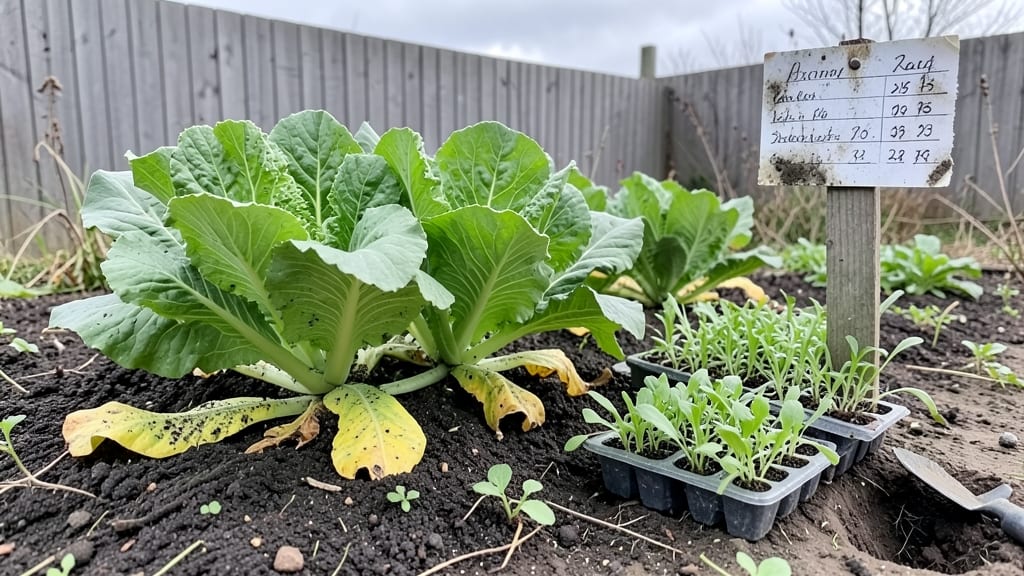
My succession planting schedule starts with three simple phases that turn one garden bed into a year-round harvest machine. 🌱 The key is overlapping plantings so that when one crop finishes, another is already thriving—no wasted space, no missed opportunities.
Last summer, my zucchini patch produced every 2 weeks from June to October because I planted new seeds every 3 weeks.
You’ll need a notebook, your local frost dates, and a list of crops that mature quickly—think lettuce, radishes, bush beans, and fast-growing greens. The first phase kicks off right after your last frost, with heat-loving crops like tomatoes and peppers.
Phase two swaps them out for cooler-season plants like broccoli and carrots as summer winds down, while phase three keeps the bed productive with cold-hardy greens until snow flies.
By the end of the season, you’ll have harvested more than ever before—imagine pulling fresh salad greens in November or snapping peas in April.
The schedule adapts to your climate: Southern gardeners might squeeze in four plantings of bush beans, while Northerners focus on extending the season with row covers and cold-tolerant varieties.
Here’s the game-changer: even a small 4x8-foot bed can yield 50% more food when you time it right. The trick is planning backward from your first frost and forward from your last spring thaw—no guesswork, just steady harvests all season long.
📚 In This Guide
- What you need
- Instructions
- Tips and common mistakes
- Wrapping up and next steps
What you need
- ● Seeds or seedlings: Choose fast-growing varieties (e.g., lettuce, radishes, beans, kale) for quick succession. Aim for at least 3–5 different types to stagger planting.
- ● Garden beds or containers: Raised beds (4’x8’ or larger, minimum 6–12 inches deep)
- ● 5–10 gallon pots (for smaller spaces)
- ● High-quality soil: 2–3 cubic yards of well-draining, compost-amended soil (or potting mix for containers). Test pH (aim for 6.0–7.0).
- ● Organic fertilizer: Balanced (e.g., 10-10-10) or slow-release options like compost or worm castings. Apply 1–2 cups per 10 sq ft before planting.
- ● Watering tools: Hose with adjustable nozzle or drip irrigation system
- ● Watering can (5-gallon minimum)
- ● Plant markers: Biodegradable labels or popsicle sticks to track varieties and planting dates.
- ● Garden journal/notebook: To log planting dates, weather notes, and harvest times.
- ● Row covers or shade cloth: Protect seedlings from pests or extreme heat (e.g., 30% shade cloth for summer crops).
- ● Mulch: Straw or wood chips to retain moisture and suppress weeds (2–3 inches thick).
- ● Trellises or stakes: For vining plants like cucumbers or beans (height: 4–6 feet).
- ● Soil thermometer: Monitor soil temps for optimal planting times ($10–$20).
- ● Seedling heat mat: Extend the growing season in cool climates (for indoor starts).
Step-by-Step guide to creating a succession planting schedule
Here's how I break down the process into three clear phases for continuous harvests.
🌱 Step 1: Plan Your Early Season Plantings (Cool Weather Crops)
Start with fast-maturing crops like lettuce, spinach, and radishes—these handle cooler temperatures beautifully. I like to plant them 4-6 weeks before the last frost date in your area. Check your local frost dates and mark the timeline on your calendar so you don't miss the window.
Use a 4-inch spacing for leafy greens to give them room to spread. These plants grow quickly, so they'll be ready for harvest in 30-45 days. Watch for the first true leaves to appear—this signals they're established and ready for thinning if needed.
☀️ Step 2: Transition to Warm Season Crops (Mid-Season Plantings)
Once the soil warms to at least 60°F and nighttime temperatures stay above 50°F, it's time for tomatoes, peppers, and beans. I plant these 2-3 weeks after the last frost date when the ground is workable and warm.
These crops need more space—12-18 inches apart depending on the variety. You'll see new leaves emerging within 7-10 days if conditions are right. Keep an eye on soil moisture; warm-season plants wilt quickly if they dry out.
🌿 Step 3: Plant Late Season Succession Crops (Fall Harvests)
As summer crops begin to decline, I plant fast-growing greens like kale, Swiss chard, and turnips 8-10 weeks before the first expected frost. These can handle cooler fall temperatures and often produce sweeter flavors after a light frost.
Use the same 4-inch spacing as early season crops—they'll mature quickly before winter sets in. You'll notice new growth appearing within 10-14 days, and harvests will continue until hard frosts arrive.
⏰ Step 4: Maintain Continuous Planting Records
Keep a simple planting journal noting what you sowed, when, and how it performed. I include notes about weather patterns and any adjustments I made. This helps me refine next year's schedule—like knowing that radishes always bolt in July heat, so I plant them earlier in May or later in August.
Review your records after each season to identify gaps. For example, if you notice a two-week window between harvests, you might add a quick-growing crop like bush beans to fill that space. The goal is to keep your garden producing fresh harvests all season long.
Tips & tricks for perfect succession planting
Creating a continuous harvest schedule takes a little strategy—but these pro tips will help you avoid common pitfalls and keep your garden thriving all season.
Soil Temperature Matters: Always check soil temperature before planting warm-season crops like tomatoes and peppers. Use a soil thermometer to confirm it's reached at least 60°F before planting. I've planted too early when the soil was still cool, and my seedlings just sat there wilting—don't make that mistake! For cool-season crops, aim for soil temps between 40-60°F for best germination.
Planting Calendar is Your Best Friend: Mark your frost dates on a calendar and work backward from there. In Step 1, your 4-6 week window before last frost is critical—set reminders so you don't miss it. I use colorful sticky notes for each planting phase so I can see at a glance what should be going in the ground each week. This visual system has saved me from planting at the wrong time more times than I can count!
Spacing Secrets: The 4-inch spacing for leafy greens in Steps 1 and 3 gives them room to grow without competing too aggressively. For warm-season crops in Step 2, that 12-18 inch range might seem wide, but it prevents overcrowding which leads to disease and poor yields. I've learned the hard way that cramped plants produce smaller harvests—trust me on this!
Succession Planting Hack: For continuous harvests of fast growers like lettuce and radishes, make small successive plantings every 2 weeks during their growing season. This creates a rolling harvest instead of one big crop all at once. I plant a new row every Tuesday and Thursday, and it keeps me with fresh greens for weeks longer than single plantings.
Pro Tips for Succession Planting Schedule
- Creating a continuous harvest schedule takes a little strategy—but these pro tips will help you avoid common pitfalls and keep your garden thriving all season.
- Soil Temperature Matters: Always check soil temperature before planting warm-season crops like tomatoes and peppers.
- Planting Calendar is Your Best Friend: Mark your frost dates on a calendar and work backward from there.
Frequently asked questions
Got questions about succession planting? You’re not alone!
Here are answers to the most common concerns to help you plan like a pro—without the guesswork.
What’s the best succession planting schedule for beginners?
Start with a 3-phase approach: Plant fast-growing crops (like radishes or lettuce) every 2–3 weeks, mid-season crops (such as beans or zucchini) every 4–6 weeks, and long-season crops (tomatoes, peppers) once, early in the season. Adjust based on your local frost dates—most gardeners use a spring → summer → fall rotation.
How do I know when to start my next planting?
Use backward planning: Check seed packets for days to maturity, then count backward from your first frost date. For example, if your frost is October 15 and a crop needs 60 days, plant by August 15. Pro tip: Mark your calendar with key dates (e.g., “Plant beans June 10, July 10, August 10”).
Can I succession plant vegetables that need a long growing season?
Yes! For heat-lovers (tomatoes, peppers, eggplants), start indoors 6–8 weeks before the last frost, then transplant outdoors. For cool-season crops (broccoli, cabbage), use shade cloth in summer to extend harvests. Try “staggered sowing”—plant a few seeds every 2 weeks to ensure a continuous supply.
What if my first planting fails? Do I just replant?
Not so fast! First, diagnose the issue (pests? disease? overcrowding?). If it’s a one-time blip (like a late frost), replant with a fast grower (e.g., spinach or arugula). If it’s recurring (like poor soil), amend the bed with compost or rotate crops next season. Rule of thumb: Never replant the same family (e.g., tomatoes → peppers) in the same spot the next year.
Are there any crops I shouldn’t succession plant?
Some crops don’t play well with succession, like:
- Corn (needs space and pollination timing).
- Sweet potatoes (long growing season, low yield per plant).
- Asparagus (perennial, planted once).
Wrapping up and next steps
Mastering a succession planting schedule is your ticket to a bountiful, year-round harvest—no wasted space or missed opportunities! 🌱 By breaking your garden into three strategic phases, you’ll keep your soil productive, extend growing seasons, and enjoy fresh produce longer than ever before.
Start small, track your progress, and soon you’ll be the envy of your neighborhood with a garden that never stops giving.
Ready to take the next step? Pick one crop to test your first succession planting phase this week—whether it’s leafy greens, herbs, or quick-growing veggies. Before you know it, you’ll be a pro at planning your full schedule like a seasoned gardener!