
Diseases
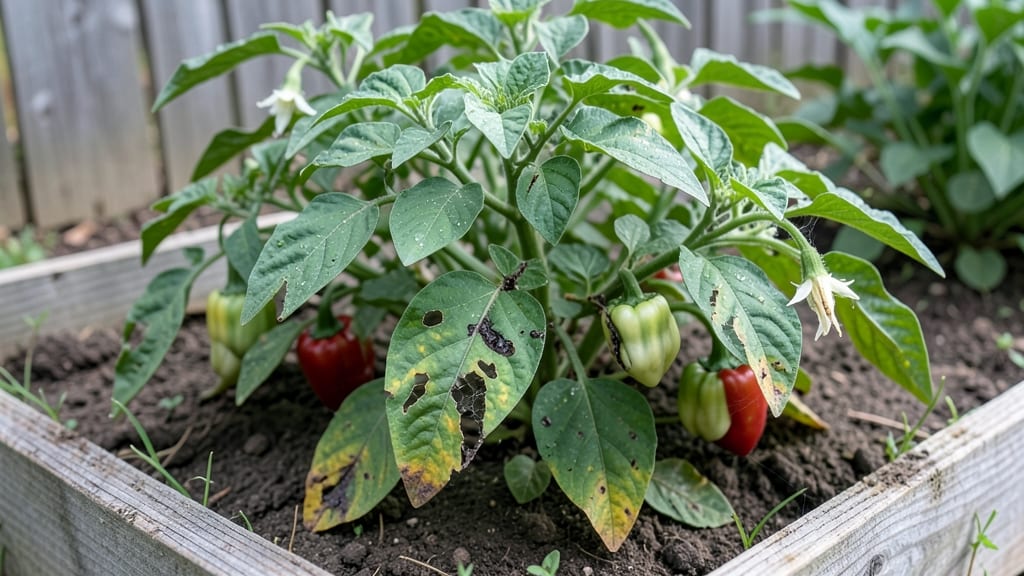
Sweet pepper plant diseases can turn your thriving garden into a sad, spotted mess if you don’t catch them early. ✨ I’ve lost entire harvests to fungal foes like powdery mildew and bacterial spot—until I learned the telltale signs and quick fixes that saved my next crop.
The key isn’t fear; it’s knowing what to watch for and how to act fast.
Most of these diseases start with tiny signs you might miss: yellowing leaves, white powder, or dark spots. Proper spacing, watering at the base (not overhead), and rotating crops every few years cuts the risk dramatically.
Even my black thumb can keep peppers healthy with these simple habits—no fancy tools needed.
By the time you spot the first symptoms, you’ll already know the exact remedy: copper spray for bacterial spot, neem oil for powdery mildew, or pulling infected plants to stop verticillium wilt from spreading. The goal is to keep your peppers lush and productive, not just alive.
Works for backyard gardens, containers, or even a single plant on your windowsill. Let’s get those peppers back to their best—before the fungi win.
Root Causes Behind Pepper Plant Woes
Sweet pepper plants are resilient, but their health can quickly spiral when faced with fungal diseases. Understanding the why behind these issues is the first step to prevention.
Below, we break down the key factors that create the perfect storm for fungal infections in your peppers—so you can stop them before they start.
Fungal diseases like Phytophthora blight and downy mildew thrive in damp conditions. Here’s why:
- Overwatering or heavy rainfall keeps the soil and foliage saturated, creating a fungal buffet. Fungi release spores that germinate in moisture, infecting roots, stems, and leaves. - Compacted or poorly drained soil traps excess water at the roots, weakening the plant’s defenses.
Root rot fungi (Pythium and Phytophthora) exploit this by blocking nutrient uptake. - Foliage staying wet for long periods (e.g., from overhead watering or morning dew) gives downy mildew and powdery mildew the perfect entry point.
Actionable fix: Ensure your peppers have well-draining soil (mix in perlite or compost) and water at the base in the morning to allow foliage to dry quickly.
Fungi love warm, humid environments—just like your peppers do, but for the wrong reasons.
- High humidity (above 70%) slows evaporation, keeping spores active. Diseases like early blight and anthracnose spread rapidly in these conditions. - Cool nights (below 60°F) with warm days create condensation on leaves, mimicking a fungal spa.
Alternaria leaf spot, for example, flourishes in these temperature swings. - Stagnant air (common in greenhouses or crowded plantings) traps moisture and spores, accelerating infections.
Actionable fix: Use spacers to improve airflow, ventilate greenhouses, and avoid watering late in the day to reduce humidity.
A stressed pepper plant is a fungal magnet. Common stressors include:
- Nutrient deficiencies (especially phosphorus or calcium) weaken cell walls, making them easier targets. Blossom end rot (a fungal-like disorder) often strikes when calcium is lacking.
- Physical damage (from hail, pests, or rough handling) creates open wounds where pathogens enter. Bacterial spot and fungal rots exploit these entry points.
- Overcrowding reduces sunlight penetration, leading to shady, damp conditions that encourage mildew and mold.
Actionable fix: Fertilize balancedly (use a 10-10-10 or 5-10-10 NPK ratio), prune for airflow, and rotate crops to prevent soil-borne pathogens from building up.
Fungi are opportunistic hitchhikers. They lurk in:
- Infected plant debris left in the soil (e.g., old pepper stems with verticillium wilt).
- Reused or unsterilized pruners, gloves, or pots that carry spores from previous infected plants.
- Poor-quality compost or manure that hasn’t been properly heated to kill fungal spores.
Actionable fix: Sterilize tools with rubbing alcohol, remove debris after harvest, and test soil for pathogens before planting.
Fungi spread like wildfire in still, moist air. Check for:
- Tall, dense plants blocking airflow (e.g., tomatoes or basil too close to peppers).
- Weeds or mulch piled against stems, trapping moisture.
- Monoculture planting (growing peppers in the same spot year after year), which exhausts soil defenses.
Actionable fix: Space plants 18–24 inches apart, use straw mulch (not wood chips, which retain moisture), and interplant with herbs (like basil) to deter pests and improve airflow.
Many gardeners wait until spots, wilting, or yellowing appear—by then, the fungus has a foothold. Common missed cues:
- Purple or brown leaf edges (early blight).
- White, powdery patches (powdery mildew).
- Black, sunken lesions (anthracnose).
Actionable fix: Inspect leaves weekly, especially the undersides, and remove infected foliage immediately (don’t compost it—trash it).
Most diseases require three things to take hold:
- A susceptible host (your peppers).
- Favorable conditions (moisture, warmth, poor airflow).
- A pathogen source (spores in soil, tools, or wind).
Break the cycle by addressing one or more of these factors, and you’ll dramatically reduce outbreaks. 🚜
Fixing Fungal Foes in Sweet Peppers
Fungal diseases can turn your thriving sweet pepper plants into a sad, wilted mess—but don’t panic! With the right approach, you can revive your plants and prevent future outbreaks.
Below, we’ve mapped out practical, step-by-step fixes for each common fungal foe, along with prevention tips to keep your peppers healthy and productive.
Fix:
- 🧼 Remove Infected Leaves
- Snip off heavily infected leaves (especially older ones) and dispose of them in the trash (not compost!). This stops the fungus from spreading.
- For mild cases, wipe leaves with a damp cloth dipped in a 1:10 water-vinegar solution or neem oil mix (1 tsp neem oil + 1 tsp mild soap per quart of water).
- 🌿 Boost Airflow & Light
- Space plants 12–18 inches apart to improve airflow.
- Prune overcrowded branches to let sunlight reach all leaves (fungi love shade!).
- 💦 Adjust Watering Habits
- Water at the base (not overhead) in the early morning so leaves dry quickly.
- Avoid wet foliage—use drip irrigation or soaker hoses if possible.
Prevent It:
- ✨ Spray preventive fungicides (like baking soda spray: 1 tbsp baking soda + 1 tsp oil + 1 tsp soap per gallon of water) every 7–10 days during humid weather.
- 🌱 Choose resistant varieties like ‘Aristotle’ or ‘Golden California Wonder.’
Fix:
- 🔪 Remove & Destroy Debris
- Pull up infected plants and rotate crops (don’t plant peppers, tomatoes, or eggplants in the same spot for 2–3 years).
- Sterilize tools with rubbing alcohol after pruning.
- 🍄 Apply Copper or Sulfur Sprays
- Copper fungicide (like Copper Soap) or sulfur-based sprays can stop the spread. Follow label instructions for timing.
- Repeat every 7–10 days until new growth appears healthy.
- 🌱 Strengthen Soil Health
- Add compost to improve soil drainage (blight thrives in soggy soil).
- Side-dress with compost tea to boost plant immunity.
Prevent It:
- 🌡️ Mulch with straw (not grass clippings) to keep soil dry.
- 🌱 Plant disease-resistant varieties like ‘King of the North’ or ‘Jupiter.’
Fix:
- 🚨 Isolate Infected Plants Immediately
- Late blight spreads rapidly—remove infected plants within hours and burn or trash them (do not compost!).
- Wear gloves—this fungus can survive on tools and hands.
- 💦 Stop Watering Overhead
- Switch to drip irrigation or hand-watering at the base.
- Water only in the morning so foliage dries by evening.
- 🍄 Use Organic or Chemical Fungicides
- Serenade Garden (bacillus subtilis) or copper fungicide can help in early stages.
- For severe outbreaks, chlorothalonil (like Daconil) is effective but use only as a last resort (follow safety guidelines).
Prevent It:
- 🌱 Crop rotation is critical—avoid planting nightshades (peppers, tomatoes, potatoes) in the same spot for 3+ years.
- 🌡️ Monitor weather forecasts—late blight thrives in cool, wet conditions (50–75°F). Use row covers in early season.
Fix:
- 🧹 Prune & Sterilize
- Remove all spotted leaves and sterilize pruners with bleach (1:10 ratio) or rubbing alcohol.
- Do not compost infected plant material.
- 🍄 Spray with Fungicides
- Neem oil (1% solution) or copper fungicide applied every 7–10 days can control spread.
- Baking soda spray (1 tbsp baking soda + 1 tsp oil + 1 tsp soap per gallon) works for mild cases.
- 🌱 Improve Plant Health
- Fertilize with balanced NPK (10-10-10) to avoid nitrogen excess, which weakens plants.
- Water at the base and avoid wetting leaves.
Prevent It:
- 🌱 Plant in well-draining soil—Alternaria loves compacted or waterlogged conditions.
- 🌡️ Space plants properly (18–24 inches apart) for airflow.
Fix:
- 🔪 Remove & Destroy All Infected Parts
- Cut off spotted fruit and leaves and dispose of them in sealed bags.
- Do not compost—this fungus can survive in soil for years.
- 💦 Adjust Watering & Spacing
- Water only at the base and avoid overhead irrigation.
- Thin plants to reduce humidity in the canopy.
- 🍄 Apply Fungicidal Sprays
- Copper fungicide or fixed copper (like Cupric Hydroxide) works well.
- For organic growers, potassium bicarbonate (like ArborCare) is effective.
Prevent It:
- 🌱 Rotate crops—don’t plant peppers in the same spot for 3 years.
- 🌡️ Use drip irrigation and mulch with straw to keep soil dry.
Fix:
- 🚧 Improve Drainage Immediately
- Raise beds if soil is waterlogged or add sand/compost to improve drainage.
- Avoid planting in low spots where water pools.
- 🍄 Use Phosphite Fungicides
- Phosphorous acid (like Phostrol) is the best defense—apply preventively if your area is prone to this disease.
- Copper fungicides can help in early stages.
- 🌱 Solarize Soil (For Severe Cases)
- In hot climates, cover soil with clear plastic for 4–6 weeks to kill fungus in the ground.
Prevent It:
- 🌱 Choose resistant varieties like ‘Carmen’ or ‘Jupiter’ if Phytophthora is common in your region.
- 🌡️ Test soil drainage before planting—sandy loam is ideal.
Fix:
- 🌱 Remove Infected Plants Completely
- These soil-borne fungi persist for years—pull up and destroy all infected plants.
- Do not compost—they can survive in organic matter.
- 🌡️ Solarize or Fumigate Soil
- Solarization (covering soil with plastic for 6+ weeks) kills fungi in warm climates.
- For severe cases, chemical fumigation (like chloropicrin) may be needed (consult a local extension service).
- 🍄 Use Resistant Varieties
- Verticillium-resistant: ‘Aristotle,’ ‘Carmen’
- Fusarium-resistant: ‘Jupiter,’ ‘King of the North’
Prevent It:
- 🌱 Crop rotation—avoid nightshades (peppers, tomatoes, eggplants) for 5+ years in the same spot.
- 🌡️ Improve soil health with compost and mycorrhizal
Frequently asked questions about sweet pepper plant diseases
How do I tell if my sweet pepper plant has a fungal disease?
Look for yellowing leaves, white powdery coatings (powdery mildew), or dark spots with yellow halos (bacterial spot). Check the undersides of leaves first—many fungal spores hide there. Early signs include stunted growth or wilting, even when soil is moist.
Can I save my pepper plants if they already have spots?
Yes, but act fast! Prune infected leaves immediately and dispose of them (not compost). Apply neem oil or copper fungicide every 7–10 days. For severe cases like late blight, remove the entire plant to stop spread. Prevention is key—once fungi take hold, recovery is slower.
Why does my pepper plant get diseases more often in humid weather?
Fungi thrive in 70%+ humidity because spores germinate faster in damp air. Overhead watering or poor airflow (like crowded plants) makes it worse. Water at the base in the morning and space plants 18–24 inches apart to improve airflow—this cuts disease risk by 50%.
Are there disease-resistant sweet pepper varieties?
Try ‘Aristotle’ (resistant to verticillium wilt) or ‘Jupiter’ (tolerates fusarium). For blight-prone areas, ‘Carmen’ or ‘Golden California Wonder’ are great choices. Always check seed packets for disease resistance labels. Start with these if your region has history of outbreaks.
Can I use household items to treat pepper plant diseases?
Yes! Mix 1 tbsp baking soda + 1 tsp oil + 1 tsp soap per gallon of water for a mild fungicide. For bacterial spot, hydrogen peroxide (3%) diluted 1:1 with water works as a spray. Just avoid vinegar—it can burn leaves. Test sprays on a small leaf first to check for sensitivity.