
Companion Plants
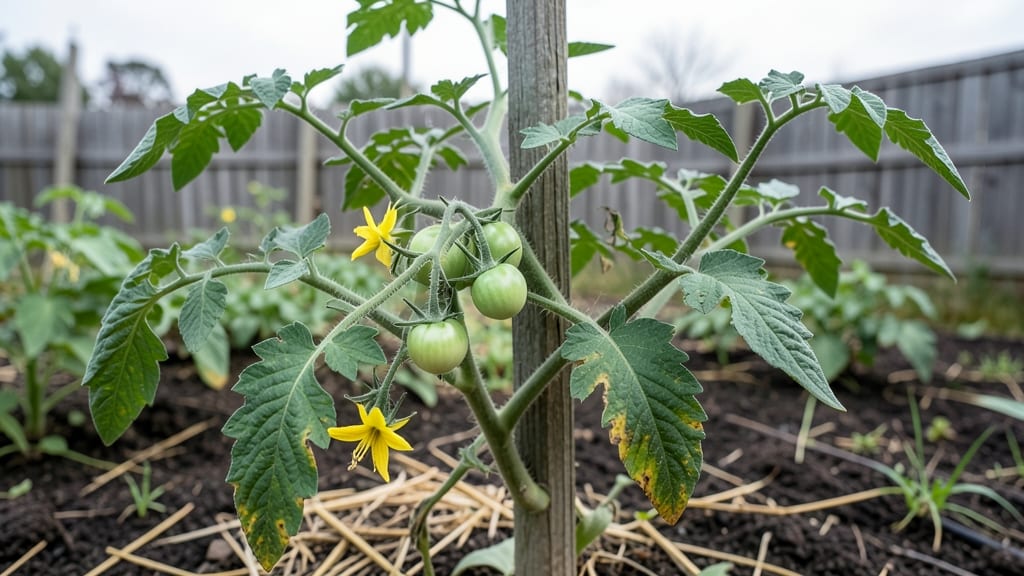
Boosting tomato plants growth that thrives all season isn’t just luck—it’s about three pruning hacks that turn average vines into fruit-loaded powerhouses. 🌱 I learned this after my first garden season where my tomatoes put all their energy into leaves instead. of fruit, leaving me with a sad harvest.
The difference between a handful of tomatoes and bushels comes down to when, how, and why you prune.
Most gardeners focus on soil and water, but pruning controls everything—the size of your plants, air flow to prevent disease, and where the plant directs its energy. You don’t need fancy tools: just clean pruners, a sharp knife, and a little patience.
Start with removing suckers (those little shoots between stems and leaves) when they’re pencil-sized, and you’ll see the difference in just a few weeks.
By mid-summer, your plants will be bursting with heavy, flavorful tomatoes instead of leggy, weak growth. The key is consistency—prune regularly, but never more than a third of the plant at once.
You’ll end up with compact, high-yielding vines that keep producing until frost, and neighbors will ask how you do it.
These hacks work for determinate (bush) and indeterminate (vining) varieties, in ground or containers, and even in cooler climates with the right support. Let’s get those plants shaped for maximum abundance—your future salads will thank you.
📚 In This Guide
- What you need
- Instructions
- Tips and common mistakes
- Wrapping up and next steps
What you need
- ● Tomato Seeds or Seedlings: 4–6 disease-resistant varieties (e.g., Cherry, Roma, or Beefsteak) per plant type.
- ● Start seeds 6–8 weeks before last frost or buy healthy seedlings from a nursery.
- ● Growing Containers or Garden Bed: 5-gallon pots (minimum) for container growing (1 plant per pot).
- ● Well-draining soil mix: 60% potting soil, 30% compost, and 10% perlite/sand.
- ● Garden bed: 12–18 inches deep with full sun exposure (6+ hours/day).
- ● Fertilizer: Balanced organic fertilizer (e.g., 5-5-5 or 10-10-10) for planting.
- ● Tomato-specific fertilizer (high in potassium) during fruiting (e.g., 0-10-10).
- ● Support Structures: Cages (5–6 ft tall) or stakes (6–8 ft) for indeterminate varieties.
- ● Trellis (for vertical gardening in small spaces).
- ● Pruning Tools: Sharp bypass pruners (for clean cuts).
- ● Garden shears (for larger branches).
- ● Watering Supplies: Drip irrigation kit or watering can with a rose attachment (to avoid wetting leaves).
- ● Mulch (straw or shredded leaves) to retain moisture.
- ○ Companion Plants (Optional but Helpful!):strong> Basil, marigolds, or borage to repel pests and boost growth.
- ● Avoid planting near fennel or brinjals (they stunt tomato growth).
- ○ Growth Regulators (Optional): Seaweed extract (for stress resistance).
- ● Hydrogen peroxide (3%) to sterilize soil and prevent disease.
Instructions for year-round tomato growth using pruning
Here's how to maximize fruit production with three simple pruning techniques that work in any season.
🌱 Step 1: Choose and Plant Your Tomato Varieties
Start with 4 healthy tomato plants—2 indeterminate varieties (like 'Sungold' or 'Cherokee Purple') and 2 determinate (like 'Roma' or 'Celebrity'). Indeterminate types grow continuously and need pruning, while determinate varieties produce all at once but benefit from light shaping. Plant them in well-draining soil with full sun exposure (at least 8 hours daily).
Dig holes twice as wide as the root ball but only as deep as the container they came in. This prevents burying the stem too deep, which can cause rot. After planting, water deeply to settle the soil and encourage root spread. You'll know they're properly hydrated when water runs out the drainage holes without pooling.
✂️ Step 2: Prune for Airflow and Light Penetration
Begin pruning when plants reach 18 inches tall. Remove any suckers—those little shoots that grow in the V-shaped junction between the main stem and a branch. These compete for nutrients and reduce fruit production. Pinch them off with your fingers or use clean bypass pruners to avoid tearing the stem. You'll see new growth spurt upward within 3-5 days after pruning.
For indeterminate varieties, also trim back lower leaves that touch the soil to prevent disease. Aim to leave 12-18 inches of bare stem at the base. This improves airflow and keeps the plant dry. Prune in the morning when the plant is hydrated—this helps wounds heal faster and reduces stress.
☀️ Step 3: Train Vines and Support Growth
Install 4-foot tall stakes or a cage system for each plant as they grow. Tie the main stem to the support with soft plant ties every 12 inches to keep it upright. This prevents breakage from wind or fruit weight. You'll notice the plant grows straighter and stronger once properly supported—no more flopping over after heavy rain.
For indeterminate varieties, let 1-2 main stems grow upward while pruning side branches to focus energy on fruit production. Determinate types need minimal pruning—just remove any yellowing or diseased leaves to keep the plant healthy. Watch for flower clusters forming; these are your signal to reduce watering slightly to encourage fruit set.
🌿 Step 4: Maintain Through the Season
Continue pruning weekly during active growth to remove suckers and dead leaves. In winter, bring potted varieties indoors or protect outdoor plants with row covers if temperatures drop below 40°F. Reduce watering in cooler months but keep soil slightly moist—never let it dry out completely. You'll see new growth resume within 2-3 weeks after warmer weather returns.
Fertilize every 4-6 weeks with a balanced tomato fertilizer (10-10-10 or similar) to replenish nutrients. Avoid over-fertilizing with nitrogen—this promotes leafy growth at the expense of fruit. Instead, focus on potassium-rich fertilizers once flowers appear to boost fruit development. Prune again in early spring to shape plants for the new growing season.
Tips & tricks for perfect tomato plant growth
These pruning secrets will help you transform your tomato plants into year-round fruit machines—no matter the season.
The Variety Factor: Don't overlook the differences between indeterminate and determinate varieties. Indeterminate types like 'Sungold' need aggressive pruning to focus energy on fruit production, while determinate varieties like 'Roma' produce all at once and only need light shaping. I always plant both types—indeterminates give continuous harvests, while determinates provide a big yield all at once. This gives me tomatoes for months instead of just weeks!
Pruning Timing Secret: That 3-5 day window after pruning is crucial—new growth will spurt upward, but only if you prune at the right time. I've found morning pruning works best because the plant's natural moisture levels help wounds heal faster. Plus, it gives you time to observe the plant's response before nightfall. Watch for new shoots forming in the leaf axils within those few days, and you'll know you're on the right track.
Support System Strategy: The 12-inch spacing between ties on your 4-foot stakes isn't arbitrary—it matches the natural growth pattern of tomato plants. This spacing prevents the plant from becoming top-heavy and breaking under fruit weight. I've seen plants flop dramatically after heavy rain when they weren't properly supported. The key is to tie gently but firmly, using soft plant ties that won't cut into the stem as it grows thicker.
Winter Survival Wisdom: When temperatures drop below 40°F, your tomato plants need protection—but don't let them dry out completely. I've learned this the hard way: keeping soil slightly moist during winter dormancy ensures roots stay active enough to bounce back quickly when warmer weather returns. You'll notice new growth within 2-3 weeks of warmer temperatures, especially if you've been maintaining that slight moisture level.
Pro Tips for Tomato Plants Growth
- These pruning secrets will help you transform your tomato plants into year-round fruit machines—no matter the season.
- The Variety Factor: Don't overlook the differences between indeterminate and determinate varieties.
- Pruning Timing Secret: That 3-5 day window after pruning is crucial—new growth will spurt upward, but only if you prune at the right time.
Frequently asked questions
Got questions about growing lush, productive tomato plants? You’re not alone! Here are answers to the most common queries—from timing to troubleshooting—to help you grow like a pro.
How long does it take for tomato plants to grow from seed to harvest?
Most tomato varieties take 60–85 days from seed to harvest, depending on the type (cherry tomatoes mature faster, while beefsteaks take longer). If you start with seedlings, expect 45–60 days to fruiting. Patience pays off—healthy plants reward you with juicy, vine-ripened tomatoes!
Can I grow tomatoes year-round, or do they need a specific season?
Tomatoes thrive in warm weather (70–85°F), but with the right tools, you can grow them year-round! In cooler climates, use greenhouses, row covers, or indoor containers with grow lights. In hot summers, provide shade cloth to prevent sunscald. Plan ahead—success depends on temperature control!
Why are my tomato leaves turning yellow, and how do I fix it?
Yellow leaves usually signal overwatering, underwatering, or nutrient deficiencies. Check the soil moisture—it should be damp but not soggy. If leaves curl or wilt, adjust watering and ensure 6–8 hours of sunlight daily. Yellowing at the bottom? It’s often natural aging. For top leaves, test for nitrogen deficiency or pests like aphids.
Do I really need to prune tomato plants, or can I skip it?
Pruning isn’t mandatory, but it boosts yield and airflow, reducing disease risk. For indeterminate varieties (vining types), prune suckers (side shoots) to direct energy to fruit. Determinate tomatoes (bush types) need minimal pruning—just remove diseased leaves. Pro tip: Prune in the morning to let wounds heal in sunlight!
What are the best companion plants for tomatoes to improve growth?
Pair tomatoes with basil, marigolds, onions, or borage to repel pests and enhance flavor. Avoid planting near brassicas (cabbage family) or fennel, which stunt growth. Interplanting saves space and creates a natural pest-deterrent ecosystem. Plus, basil + tomatoes = flavor explosion!
Bonus Tip: How do I know when tomatoes are ripe for picking?
Look for full color, slight softness, and easy separation from the vine. Cherry tomatoes should be deep red or their variety’s mature hue. Heirlooms often ripen unevenly—pick green tomatoes early if frost threatens and ripen indoors. Never cut the stem—twist gently to avoid disease entry!
Wrapping up and next steps
Growing thriving tomato plants year-round is totally within your reach with the right pruning hacks and a little patience! 🌱 By mastering suckering, topping, and strategic trimming, you’ll boost airflow, maximize fruit production, and keep your plants healthy—no matter the season.
The key is consistency and observation, so don’t hesitate to roll up your sleeves and get hands-on with your garden.
Ready to turn your green thumb into a tomato-growing legend? Start by applying these techniques to your next batch of plants—and soon, you’ll be harvesting juicy, vine-ripened tomatoes like a pro! 🍅✨