
Plants
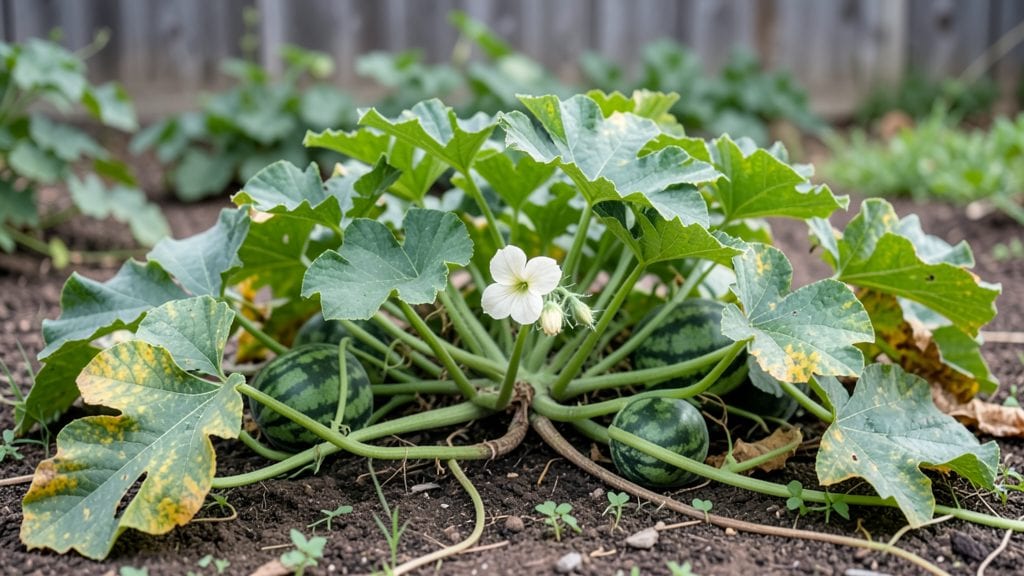
When your watermelon leaves turn yellow, it’s not just a cosmetic issue—it’s a cry for help from your plant. 🌱 I’ve seen this happen after a week of heavy rain or when gardeners accidentally overfeed their vines, and the results can be devastating if ignored.
The good news? Most yellowing leaves point to fixable problems like nutrient imbalance, water stress, or even hidden pests.
First, check the soil moisture—yellow leaves often mean either soggy roots or thirsty ones. Then inspect the undersides of leaves for spider mites or aphids, which drain nutrients faster than you’d think.
I’ve saved plants by simply adjusting watering and applying a light dose of fish emulsion, which replenishes what’s missing without burning the foliage.
You’ll see new green growth within a week if you catch it early. The key is acting fast: trim the worst yellow leaves to redirect energy, and switch to a balanced fertilizer if the soil’s exhausted.
Your vines will bounce back stronger, and you’ll avoid the heartbreak of stunted fruit or vine collapse.
This works for both backyard patches and container-grown melons. The same principles apply whether you’re dealing with a single plant or a full row—just scale the solutions. Let’s get those leaves perking up again.
Root Causes Behind Yellowing Leaves
Watermelon plants are resilient, but when their leaves start turning yellow, it’s often a cry for help—usually tied to underlying issues in their care. Understanding the why behind this symptom is the first step to restoring your vines to full, lush health.
Below, we break down the most common culprits, from environmental stressors to nutrient imbalances, with clear explanations of how each factor disrupts your plant’s well-being.
Yellowing leaves are a classic sign of root stress, and overwatering is one of the most common offenders. Watermelon plants thrive in well-drained soil, but soggy conditions suffocate roots by cutting off their oxygen supply. When roots can’t breathe, they struggle to absorb water and nutrients, leading to:
- Chlorosis (yellowing between leaf veins) due to nutrient uptake failure.
- Root rot, which weakens the plant and causes leaves to yellow and wilt.
- Nutrient leaching, where excess water washes away essential minerals like nitrogen and potassium.
Pro tip: Stick your finger 2 inches into the soil—if it’s damp, wait before watering. Ensure pots or garden beds have drainage holes, and avoid watering on a schedule. Instead, water deeply when the top inch of soil feels dry. 🌡️
Watermelons are sun-lovers, but too much intense sunlight—especially in hot climates—can scorch leaves, causing them to yellow and crisp at the edges. This happens when:
- Plants are suddenly exposed to full sun after being shaded (e.g., moving from a greenhouse to direct sunlight).
- Temperature exceeds 90°F (32°C) for prolonged periods, leading to oxidative stress in leaves.
- Leaves lack protective wax coatings due to drought or poor humidity, making them vulnerable to UV damage.
Actionable fix: Provide afternoon shade (especially in peak summer) using shade cloth or row covers. Mulch the soil to retain moisture and reduce heat reflection. 🌿 For container-grown plants, move them to a slightly shadier spot during the hottest hours.
Yellowing leaves often signal a nutrient deficiency, but the location of the discoloration can pinpoint the exact culprit. Here’s how to diagnose it:
| Symptom | Likely Deficiency | Why It Happens |
|---|---|---|
| Yellowing between veins (chlorosis) | Iron (Fe) or Magnesium (Mg) | Poor soil pH (alkaline conditions lock out iron) or compacted soil restricting root access to nutrients. Magnesium deficiency often appears in older leaves first. |
| Yellowing edges or tips of older leaves | Potassium (K) or Nitrogen (N) | Potassium helps regulate water and nutrient movement; nitrogen is critical for leaf growth. Deficiencies occur when soil is depleted or leached. |
| Yellowing new leaves with stunted growth | Nitrogen (N) or Zinc (Zn) | Nitrogen fuels leaf production, while zinc aids in chlorophyll synthesis. Both deficiencies stunt growth and cause pale yellowing. |
Quick fix: Conduct a soil test to identify deficiencies. For iron chlorosis, apply chelated iron or use sulfur to lower pH. For nitrogen, use a balanced fertilizer (e.g., 10-10-10) or compost. 💡 Pro tip: Avoid over-fertilizing—too much salt can burn roots and worsen the problem!
Unseen invaders can drain your watermelon’s vitality, leading to yellowing leaves as the plant diverts energy to fight back. Common culprits include:
- Aphids, spider mites, or whiteflies: These sap-sucking pests inject toxins that cause leaves to yellow and curl. Heavy infestations weaken the plant’s ability to photosynthesize.
- Fungal diseases (e.g., Fusarium wilt or powdery mildew): Fungal infections clog plant tissues, restricting nutrient flow and causing yellowing, especially in humid conditions.
- Root-knot nematodes: Microscopic worms that feed on roots, reducing the plant’s ability to absorb water and nutrients, leading to systemic yellowing.
How to combat them:
- Inspect leaves undersides for pests—spray with neem oil or insecticidal soap if needed. 🔥
- Improve air circulation around plants to reduce humidity-related fungal growth.
- Rotate crops annually to prevent nematode buildup in soil.
If yellowing appears shortly after transplanting, your watermelon’s roots may be stressed or injured during the move. Roots are delicate—disturbing them severs nutrient-absorbing fine roots, causing:
- Delayed nutrient uptake, leading to yellowing.
- Increased susceptibility to disease if roots are bruised.
- Stunted growth as the plant diverts energy to regrowing roots.
Recovery steps:
- Water deeply after transplanting to encourage root expansion into the soil.
- Avoid fertilizing for 1–2 weeks to prevent burning damaged roots.
- Use mycorrhizal fungi (available as powders) to help roots establish faster. ✨
Quick fixes for yellowing watermelon leaves
Revive your watermelon plant’s vibrant green leaves with these targeted solutions—each tailored to the root cause of discoloration. Whether it’s a nutrient imbalance, pest attack, or environmental stress, these steps will help your vines bounce back to full health. Let’s get your plants thriving again!
Yellowing leaves often signal a lack of essential nutrients. Here’s how to diagnose and correct the most common deficiencies:
🔥 Nitrogen Deficiency (Pale Yellow Leaves)
Fix:
- Apply a balanced fertilizer (10-10-10 or 20-20-20) with a higher nitrogen ratio (e.g., blood meal or fish emulsion).
- Use compost or well-rotted manure around the base of the plant for a slow-release boost.
- Side-dress with a quick-acting nitrogen source (like ammonium sulfate) if leaves are severely pale.
Prevention:
- Test soil before planting to check nitrogen levels.
- Rotate crops annually to avoid nutrient depletion.
- Mulch with organic matter (straw or grass clippings) to retain moisture and nutrients.
🍳 Magnesium Deficiency (Yellow Between Leaf Veins)
Fix:
- Sprinkle Epsom salt (magnesium sulfate) around the plant’s base—use 1 tablespoon per gallon of water and water thoroughly.
- Apply a magnesium-rich fertilizer (like kelp meal or dolomitic lime) to the soil.
- Avoid overwatering, as magnesium leaches out in soggy soil.
Prevention:
- Amend soil with 1–2 pounds of Epsom salt per 100 sq. ft. before planting.
- Monitor soil pH (ideal: 6.0–6.8 for watermelons).
👨🍳 Potassium Deficiency (Yellow Edges, Weak Growth)
Fix:
- Use a potassium-rich fertilizer (like greensand or wood ash) or a banana peel tea (steep peels in water for 24 hours).
- Apply a liquid seaweed extract (high in potassium) as a foliar spray.
- Reduce overwatering—potassium washes out in waterlogged soil.
Prevention:
- Add potassium sulfate to soil at planting (follow package rates).
- Avoid excessive nitrogen, which can mask potassium shortages.
🥘 Iron Deficiency (Yellow New Leaves, Chlorosis)
Fix:
- Apply chelated iron (available at garden centers) directly to the soil or as a foliar spray.
- Lower soil pH (if alkaline) by mixing in sulfur or peat moss to improve iron uptake.
- Use iron-rich compost or a ferrous sulfate solution (1 tsp per gallon of water).
Prevention:
- Plant watermelons in well-draining, slightly acidic soil (pH 6.0–6.5).
- Avoid over-fertilizing with lime, which raises pH.
If yellowing is caused by invaders, act fast to stop the spread:
🐛 Aphids, Spider Mites, or Whiteflies (Sticky Leaves, Spots)
Fix:
- Spray with neem oil (mix 1 tbsp neem oil + 1 tsp mild soap in 1 quart of water).
- Introduce beneficial insects (ladybugs or lacewings) to eat pests naturally.
- Blast off pests with a strong spray of water to dislodge them.
Prevention:
- Inspect leaves weekly for early signs of pests.
- Use reflective mulch (like aluminum foil) to deter flying insects.
🍄 Fungal Infections (Yellow Spots, Mold)
Fix:
- Remove infected leaves immediately and destroy them (don’t compost).
- Apply copper fungicide or a baking soda spray (1 tbsp baking soda + 1 quart water + a drop of soap).
- Improve airflow by pruning crowded vines and spacing plants 3–4 feet apart.
Prevention:
- Water at the base (avoid wetting leaves) to prevent fungal spores.
- Rotate crops to avoid soil-borne diseases.
Sometimes, yellowing is a cry for better growing conditions:
⏰ Overwatering or Poor Drainage (Soggy Soil, Wilting)
Fix:
- Let soil dry out between waterings—watermelons prefer 1–2 inches of water per week.
- Amend heavy clay soil with perlite or sand to improve drainage.
- Raise beds or use containers with drainage holes if needed.
Prevention:
- Mulch heavily (straw or wood chips) to retain moisture without drowning roots.
- Avoid watering in the evening to prevent fungal growth.
🎯 Underwatering or Heat Stress (Crispy Edges, Drooping)
Fix:
- Water deeply (1–2 inches) early in the morning to reduce evaporation.
- Provide shade cloth (30–50%) if temperatures exceed 90°F (32°C).
- Mulch with straw to keep roots cool and moist.
Prevention:
- Plant in late spring after the last frost but before extreme heat.
- Use drip irrigation to deliver water directly to roots.
- Prune yellow leaves regularly to redirect energy to healthy growth.
- Rotate crops every 3 years to prevent nutrient depletion and disease buildup.
- Monitor soil health annually with a DIY test kit (available at garden centers).
- Harvest promptly—overripe watermelons stress the plant, accelerating leaf decline.
With these fixes, your watermelon vines should regain their lush green color in 2–4 weeks. Keep an eye on progress and adjust care as needed—your sweet, juicy harvest is just around the corner! 🍉💚
Frequently asked questions
Why do watermelon leaves turn yellow even when I water them regularly?
Overwatering is a common culprit—yellowing often signals root stress from soggy soil. Watermelons need well-drained soil; check if your plants are in containers with drainage holes or if garden beds have proper airflow. Even with regular watering, compacted soil can suffocate roots, preventing nutrient uptake.
Can I still harvest watermelons if the leaves are yellow?
Yes, but prioritize healthy vines first! Yellow leaves reduce the plant’s ability to produce energy, which can affect fruit quality. Harvest ripe melons promptly to relieve stress on the plant. If most leaves are yellow, focus on saving the plant before worrying about fruit—healthy roots and foliage come first.
How do I tell if yellow leaves are from pests or nutrient issues?
Check the leaf undersides for pests like aphids or spider mites—tiny webs or sticky residue are dead giveaways. Nutrient deficiencies show as uniform yellowing (e.g., iron deficiency causes yellowing between veins), while pests create irregular spots or curling. Test soil pH if you suspect deficiencies.
Will Epsom salt fix yellow watermelon leaves?
Only if the issue is a magnesium deficiency! Mix 1 tablespoon of Epsom salt per gallon of water and apply to soil or leaves. It won’t help with overwatering, pests, or other deficiencies. For best results, confirm the problem first—soil tests or leaf analysis can clarify.
Can I save a watermelon plant with severely yellow leaves?
It depends on the cause! Prune all yellow leaves to redirect energy, adjust watering, and treat pests/diseases immediately. If roots are rotting (smelly, mushy), the plant may not recover. For nutrient issues, apply targeted fixes (like chelated iron) and monitor progress—many plants bounce back within 2–4 weeks.