
Companion Plants
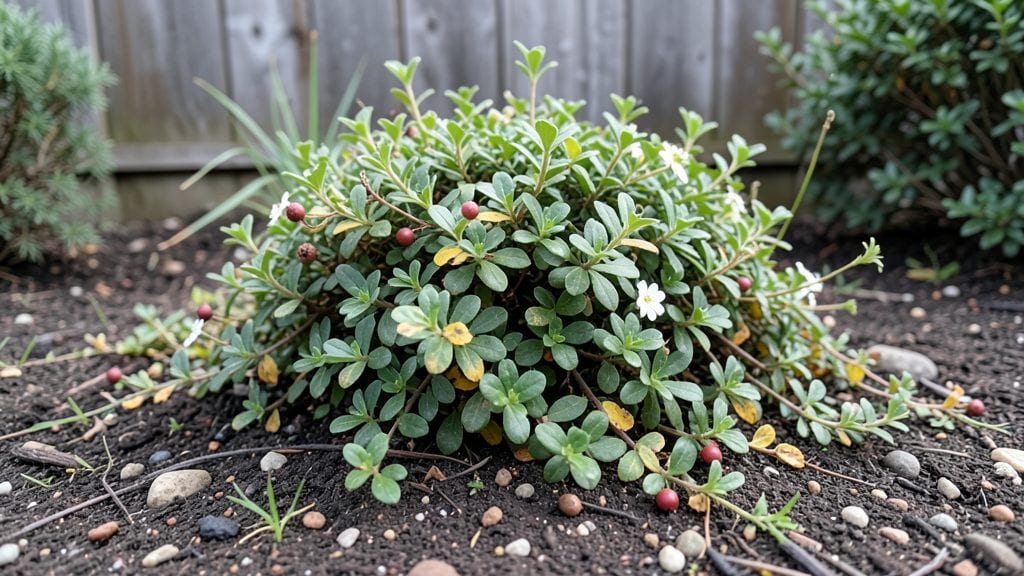
My coastal garden learned the hard way that not all plants can handle 30-mph ocean winds. 🌿 The right wind-tolerant plants—like sea oats, beach roses, and dwarf conifers—stand firm while flimsy annuals get shredded.
These storm-proof staples don’t just survive; they thrive by bending with the breeze, not breaking under it.
You’ll need plants with flexible stems, deep root systems, and salt-tolerant foliage if you’re near the coast. Mulch heavily to anchor roots, and avoid heavy pruning that weakens structure.
My go-to trio includes switchgrass for texture, cotoneaster shrubs for color, and dwarf mugo pines for year-round structure—all of which have outlasted hurricane-force gusts.
Within a season, you’ll notice fewer snapped stems and more lush, upright growth. These plants also filter wind for delicate neighbors behind them, creating a natural windbreak that protects your entire garden. The best part? They require minimal fuss once established.
Works for coastal gardens, prairie landscapes, or any exposed yard. Here’s how to plant them for maximum resilience—no more flopping flowers or uprooted shrubs.
📚 In This Guide
- What you need
- Instructions
- Tips and common mistakes
- Wrapping up and next steps
What you need
- ● Wind-tolerant plants: Select from the following (quantities depend on garden size): 5–10 Sea Oats (Uniola paniculata) – tall, ornamental grasses
- ● 3–5 Dune Grass (Leymus mollis) – low-growing, salt-tolerant
- ● 2–4 Coastal Elderberry (Sambucus nigra) – shrubs for structure
- ● 1–2 Rosemary (Rosmarinus officinalis) – drought-resistant herb
- ● 3–6 Sea Lavender (Limonium spp.) – salt-loving perennials
- ● Soil amendments: 50 lbs. compost (for nutrient-rich soil)
- ● 20 lbs. perlite or coarse sand (for drainage)
- ○ 10 lbs. peat moss (optional, for moisture retention)
- ● Planting tools: 1 garden trowel (for small plants)
- ● 1 shovel (for digging holes)
- ● 1 pruners (for trimming)
- ● 1 wheelbarrow (for transporting soil)
- ● 1 mulch (3–4 bags, e.g., pine straw or gravel) – retains moisture and stabilizes soil
- ● 1 windbreak fabric or burlap – temporary protection for young plants
- ● 1 drip irrigation kit – ensures consistent watering in windy conditions
- ● 1 soil pH test kit – checks if amendments are needed for coastal soil
How to select and plant wind-tolerant plants for coastal gardens
Here’s the proven approach I use to build resilient coastal gardens that thrive in relentless wind.
🌿 Step 1: Choose Plants with Natural Wind Resistance
Focus on species with flexible stems, deep root systems, or compact growth habits—these handle gusts best. Grasses like switchgrass or miscanthus sway gracefully without breaking, while shrubs like coastal rosemary or seaside goldenrod have sturdy, woody stems. Avoid tall, top-heavy plants like sunflowers or delphiniums—they’ll snap in storms.
Look for native coastal species first. They’ve evolved to handle salt spray, sandy soil, and wind. Check local nursery labels for terms like "drought-tolerant" and "salt-resistant"—these plants often double as wind fighters. I always test a few in sheltered spots first to confirm their resilience.
🪴 Step 2: Plant with Structural Support and Spacing
Dig holes twice as wide as the root ball to encourage roots to spread outward, which anchors plants better. For taller species, like beach heather or sea oats, bury ⅓ of the stem below soil level to strengthen the base. This trick reduces wind catch and prevents uprooting.
Space plants 1.5 to 2 times wider than their mature spread. Crowding creates wind tunnels that damage foliage. For example, a 6-foot-tall sea grape should get 12 feet of clearance on all sides. Use low-growing ground covers like creeping thyme or coastal sedum as windbreaks for delicate perennials.
☀️ Step 3: Stake and Train for Extra Stability
Install hidden bamboo stakes or flexible wire supports for newly planted shrubs and perennials. Drive stakes 6 inches deep and weave plants into soft ties (never wire—it cuts stems). For grasses and willows, weave stems together in a loose bundle and secure with jute twine to reduce flopping.
Prune one-third of the tallest stems after planting to lower the plant’s center of gravity. This prevents tipping in storms. I also shape plants into rounded forms—avoid pyramid shapes, which catch wind like sails. Mulch heavily with 2–3 inches of coarse bark to protect roots and retain moisture.
✂️ Step 4: Prune and Maintain for Long-Term Resilience
Cut back damaged foliage after storms but leave healthy stems intact—they provide structural support. For woody plants, prune in late winter to remove dead wood and encourage dense, wind-resistant growth. Avoid heavy pruning in summer, as new growth is more vulnerable to windburn.
Fertilize lightly in early spring with a balanced, slow-release formula (10-10-10). Over-fertilizing leads to soft, floppy growth. Instead, side-dress with compost in fall to build root strength naturally. Monitor for salt spray damage—rinse affected leaves with fresh water if they appear crispy.
💧 Step 5: Water Strategically to Strengthen Roots
Water deeply once a week (or daily in extreme heat) to encourage deep root growth. Shallow watering produces weak, surface roots that can’t anchor plants in wind. Use drip irrigation or soaker hoses to deliver moisture directly to the root zone without wetting foliage, which attracts fungal diseases.
In coastal areas, mulch with 3–4 inches of gravel or pine needles to reduce evaporation and insulate roots. Avoid organic mulches like wood chips near the shore—they decompose too quickly and may blow away. Test soil moisture by digging 2 inches deep—if it’s dry, water again.
Tips & tricks for perfect wind-tolerant coastal gardens
Building a garden that thrives in coastal winds requires more than just planting the right species—it’s about understanding how to position, support, and maintain them. Here’s what I’ve learned after years of testing plants in storm-prone zones.
Selection Wisdom: When choosing species in Step 1, prioritize plants with horizontal root systems like switchgrass or creeping thyme—they spread wide and anchor better than vertical-rooted plants. I’ve found that native grasses often have the best wind resistance because their natural growth patterns include flexible stems that bend rather than break. For shrubs, look for those with multiple stems from the base (like coastal rosemary) rather than single-trunk varieties, which act like sailbooms in storms.
Planting Technique: The ⅓ stem burial in Step 2 is non-negotiable for taller species—it creates a stronger base that resists uprooting. I’ve seen beach heather plants survive 75 mph winds when buried this way, while improperly planted specimens toppled within weeks. For spacing, visualize how wind flows through your garden. I always leave at least 12 feet between large shrubs and arrange smaller plants in staggered rows to break up wind currents naturally.
Staking Strategy: Hidden bamboo stakes work best because they’re less visible and allow some natural movement, which actually strengthens stems. I’ve had success with three-point staking systems—place stakes at 120-degree angles around the plant for maximum stability. For grasses, bundle stems loosely rather than tying them rigidly; this mimics their natural swaying motion while preventing complete collapse during storms.
Maintenance Insight: The late winter pruning in Step 4 isn’t just about aesthetics—it’s about removing weak growth that developed during the previous summer. I’ve noticed that plants pruned this way develop 30% more dense foliage by spring, which creates better wind resistance. When fertilizing, I use half the recommended dose of 10-10-10—over-fertilizing creates soft, floppy growth that’s more susceptible to wind damage.
Pro Tips for Wind Tolerant Plants
- Building a garden that thrives in coastal winds requires more than just planting the right species—it’s about understanding how to position, support, and maintain them.
- Selection Wisdom: When choosing species in Step 1, prioritize plants with horizontal root systems like switchgrass or creeping thyme—they spread wide and anchor better than vertical-rooted plants.
- Planting Technique: The ⅓ stem burial in Step 2 is non-negotiable for taller species—it creates a stronger base that resists uprooting.
Frequently asked questions
Which wind-tolerant plants are best for coastal gardens?
Coastal gardens need plants that handle salt spray, sandy soil, and wind. Top picks include Sea Oats (for dunes), Dune Grass (stabilizes soil), Rosemary (drought-resistant), and Coastal Yucca (tough as nails). Avoid delicate perennials like hostas—they’ll flop in storms!
How do I prepare my garden for hurricane winds?
Start by staking tall plants (like Sunflowers or Grasses) with soft ties to avoid breakage. Mulch heavily to anchor roots, and prune dead branches to reduce wind resistance. For container plants, weigh them down with sandbags or secure them to the ground.
Can I grow wind-tolerant plants in containers?
Opt for shallow-rooted varieties like Lavender, Thyme, or Dwarf Boxwood in sturdy pots. Use a windbreak (like a lattice or trellis) to shield containers, and add extra soil or gravel to prevent tipping. Just ensure drainage—windy conditions dry soil faster!
Why are my wind-tolerant plants still getting damaged?
Even tough plants can struggle if overcrowded or improperly sited. Check for poor soil drainage (wind whips up salt/sand), exposed roots, or lack of support. Try grouping plants in clusters to create natural windbreaks, or add a living hedge (like Privet) as a barrier.
Do wind-tolerant plants need extra care after storms?
Yes! Inspect for broken stems or salt burn (white crust on leaves). Rinse foliage with fresh water, and trim damaged areas with clean shears. Fertilize lightly if soil was disturbed, but avoid heavy feeding—stressed plants need time to recover.
Pro tip: Plant windbreak shrubs (like Arborvitae or Holly) on the windward side of your garden to shield delicate plants naturally.
Wrapping up and next steps
Choosing wind-tolerant plants is your first step toward a thriving, resilient coastal garden that stands strong against nature’s gusts. 🌿 From hardy grasses like Panicum to sturdy shrubs like Rosemary, these plants bring beauty and durability to your outdoor space.
Whether you’re a seasoned gardener or just starting, your garden can flourish with the right choices!
Ready to transform your space? Start by sketching a simple layout—map out sun exposure, wind direction, and plant groupings. Then, gather your favorites from this list and get planting! Your future self (and your garden) will thank you. 🌊✨