
Propagation
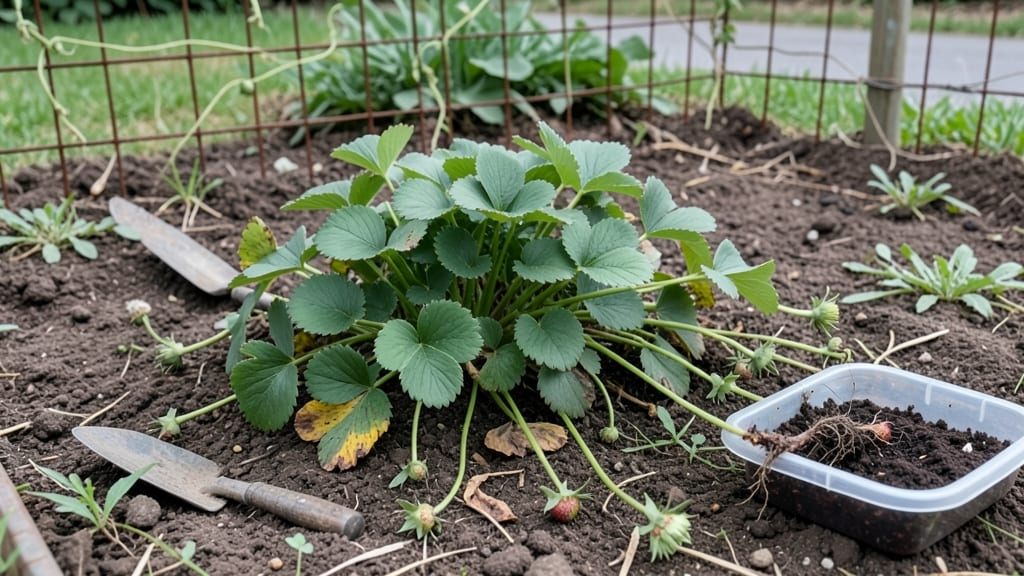
Asexual plant propagation produces exact genetic copies of parent plants through vegetative parts like stems, leaves, or roots, guaranteeing uniform traits such as flower color, growth pattern, and disease resistance. This approach relies on methods like stem cuttings, layering, division, grafting, and tissue culture, each tailored to specific plant species and environmental needs.
Asexual plant propagation isn't just about cloning plants—it's a precision technique that preserves desirable traits while eliminating the variability of seeds. 🌱 The process works by stimulating natural growth responses like adventitious root formation (new roots sprouting from unexpected places) or callus development (a wound-healing tissue that forms the foundation for new growth).
For example, when you take a stem cutting from a basil plant, you're essentially tricking it into thinking it's already separated from the mother plant, prompting it to grow roots and become independent.
This method shines particularly when you need consistency—think of the identical roses in a florist's bouquet or the uniform fruit trees in an orchard. The trade-off? It requires more hands-on attention than simply planting seeds, but the payoff is plants that mature faster and retain all the characteristics you love.
Whether you're reviving a favorite houseplant or expanding your garden with proven performers, understanding these techniques gives you the power to create your own botanical masterpieces.
💡 In This Article
- How Asexual Propagation Works: Biology and Techniques
- Best Asexual Propagation Methods by Plant Type
How asexual propagation works: biology and techniques
Here's what's actually happening when you propagate plants asexually: the plant uses its natural ability to regenerate from vegetative parts. This process relies on adventitious root formation, where roots grow from non-root tissues like stems or leaves, triggered by plant hormones like auxins (naturally occurring growth regulators).
For example, when you take a stem cutting from a coleus plant, the cut end releases auxins that stimulate cell division at the base, eventually forming new roots within 2-4 weeks when kept in a humid environment.
The key factor is the plant's callus development—a specialized tissue that forms at the wound site, acting as a bridge between the old and new growth. This callus produces meristematic cells (undifferentiated cells capable of becoming any plant part), which then differentiate into roots or shoots.
Unlike sexual reproduction (via seeds), where genetic recombination creates variation, asexual methods produce clones with identical DNA. This explains why your prized rose bush's offspring will have the same flower color and shape as the parent.
Each propagation method leverages these biological processes differently. Cuttings (like from succulents) rely on stored nutrients in the stem to fuel root growth, while layering (bending a stem to the ground) encourages roots to form while still connected to the parent. Division separates naturally clumping plants (like hostas) by exploiting their underground rhizomes, which already have dormant buds ready to sprout.
The science behind grafting is even more precise—it combines two plants by joining their vascular systems, allowing the scion (top part) to grow using the rootstock's (bottom part) established nutrient network.
What most people don't realize is how environmental factors amplify these natural processes. For instance, maintaining 70-75°F temperatures and 80-90% humidity accelerates callus formation in cuttings.
Light exposure also matters—some plants (like African violets) need bright, indirect light for leaf cuttings to develop roots, while others (like pothos) thrive in lower light. The hormonal balance is delicate: too much auxin can stunt growth, while too little fails to trigger root formation.
This is why commercial propagators use synthetic rooting hormones with precise concentrations (like 0.8% IBA for difficult-to-root plants).
Tissue culture takes this control to the next level by growing plant cells in sterile, nutrient-rich gel (agar) under precise conditions. This method allows scientists to produce thousands of identical plants from a single cell, which is why your local nursery might sell "micropropagated" orchids.
The process involves isolating meristematic cells, culturing them in growth chambers with controlled light (16-hour photoperiod) and temperature (22-25°C), then gradually acclimating them to outdoor conditions—a process called "hardening off" that can take 4-6 weeks.
Understanding these mechanisms helps you troubleshoot propagation failures. For example, if your cutting isn't rooting, check the auxin levels (maybe your cutting was too old) or the humidity (perhaps your plastic bag isn't sealing properly).
The genetic consistency of asexual methods also explains why nurseries use them for commercial crops—imagine planting 100 identical tomato plants that all ripen simultaneously, rather than a seed-grown mix with varying maturity dates. 🌿
This biological precision is what makes asexual propagation both an art and a science. Whether you're reviving a dying houseplant or expanding your garden with proven performers, these methods give you the power to create your own botanical masterpieces—without the genetic roulette of seeds.
The trade-off? More attention to detail, but the results are worth it for anyone who loves consistency in their garden.