
Diseases
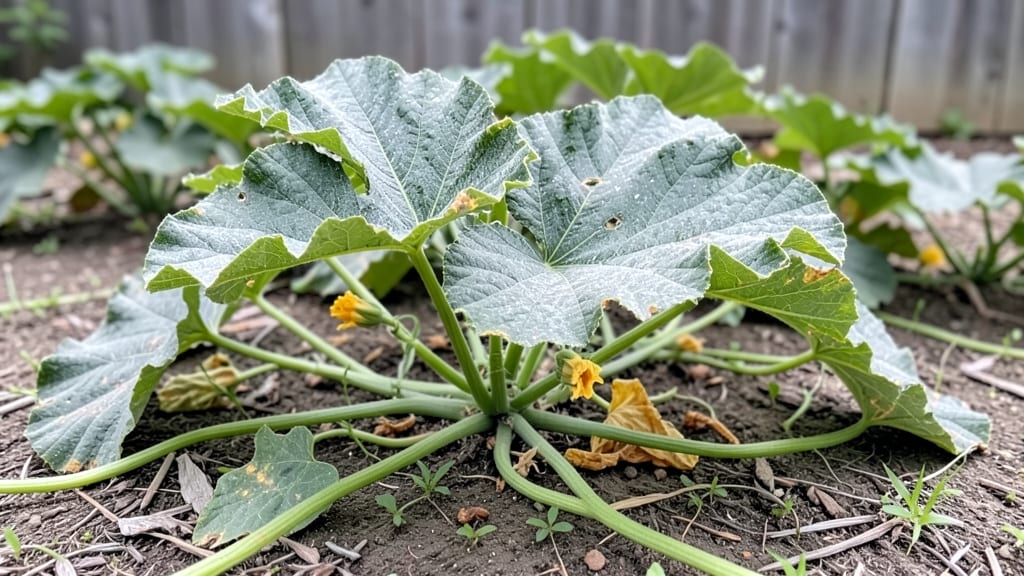
The butternut squash plant diseases lurking in your garden can swiftly devastate a once-thriving vine if you don’t spot them early. I’ve watched powdery mildew turn my golden vines gray in just a week—until I learned the warning signs and quick fixes that saved my harvest.
The key is acting fast, before those fuzzy white patches or yellow spots take over. Most gardeners wait too long, but with the right tools and timing, you can stop these fungal foes before they ruin your crop.
Powdery mildew, downy mildew, and bacterial wilt are the usual suspects, each with its own sneaky way of attacking. Powdery mildew starts as tiny white specks on leaves, spreading like dust when you brush past. Downy mildew hides on the undersides, leaving yellow splotches by midday. Bacterial wilt?
That one’s silent until the whole plant wilts overnight—no saving it once it strikes. The good news? All three respond to the same early intervention: copper sprays, neem oil, and better airflow between vines. I’ve used these tricks for three seasons now, and my butternut squash stay healthy.
You’ll spot the first signs within 2-3 weeks of planting if conditions are right—warm, humid days with poor airflow. That’s when you switch to morning watering, remove infected leaves immediately, and space plants 3-4 feet apart to let air circulate.
The payoff? Squash that grow big, blemish-free, and ready for harvest by late fall. No more shriveled, diseased vines taking up space in your garden.
Works for both backyard gardens and container growing—just adjust spacing and watch for early symptoms. Here’s how to turn those first warning signs into a full harvest instead of a write-off.
Root Causes Of Squash Struggles
Butternut squash plants—those hardy, vine-loving giants—can fall victim to diseases faster than you’d expect. Understanding why these issues arise is the first step to prevention. Below, we break down the science behind the most common culprits, from sneaky soil pathogens to environmental betrayals.
Fungi are the #1 threat to butternut squash, thriving in damp, crowded conditions. Here’s how they strike:
🍄 Overhead Watering & Poor Airflow
Fungi like Powdery Mildew and Downy Mildew love moisture—especially when water sits on leaves instead of soaking the soil. Why? Wet foliage creates the perfect humid microclimate for spores to germinate and spread. Poor airflow (from dense plantings or thick vines) traps humidity, accelerating fungal growth.
- Science behind it: Fungal spores need free water (not just soil moisture) to activate. Overhead irrigation or evening watering keeps leaves damp for hours, giving fungi a head start.
- Actionable fix: Water at the base early in the day and space plants 3–4 feet apart for airflow.
🌡️ Warm, Humid Weather Patterns
Butternut squash diseases peak in 75–85°F (24–29°C) with high humidity—ideal for fungal spores to multiply exponentially. Phytophthora (a soil-borne fungus) thrives in waterlogged soil during these conditions.
- Science behind it: Fungi produce enzymes that break down plant cell walls when temperatures and moisture align. Heat speeds up their metabolic rate.
- Actionable fix: Use mulch to moderate soil temp and avoid planting in low-lying areas where water pools.
🧫 Contaminated Soil or Tools
Soil-borne fungi like Fusarium or Pythium persist for years in infected debris. Even "clean" tools (pruners, gloves) can transfer spores between plants.
- Science behind it: Fungal spores form resting structures (e.g., chlamdospores) that survive drought and cold, reactivating when conditions improve.
- Actionable fix: Solarize soil in summer (cover with clear plastic for 4–6 weeks) or use copper-based fungicides pre-planting.
Some diseases hitch a ride on pests. For example:
🐜 Squash Bugs & Aphids Spread Viruses
Cucumber Mosaic Virus (CMV) and Zucchini Yellow Mosaic Virus (ZYMV) rely on insects to jump from plant to plant. Squash bugs and aphids feed on infected plants, then transmit the virus via their saliva.
- Science behind it: Viruses are non-cellular pathogens that replicate inside plant cells. Insects act as vectors, injecting viral RNA during feeding.
- Actionable fix: Use row covers early in the season and blast pests off with water (neem oil for stubborn infestations).
🦟 Nematodes: The Underground Saboteurs
Root-knot nematodes (Meloidogyne) weaken squash roots, making plants vulnerable to secondary fungal infections. Their microscopic size lets them go undetected until yield drops.
- Science behind it: Nematodes inject secretions that trigger gall formation (swollen roots), reducing water/nutrient uptake by up to 50%.
- Actionable fix: Plant marigolds as a trap crop or use resistant varieties like ‘Waltham’ butternut.
Even "healthy" growing practices can backfire if not executed correctly:
🌦️ Stress from Weather Extremes
Sudden temperature swings (e.g., hot days + cold nights) or drought stress weakens plant defenses, making them susceptible to Alternaria leaf spot or bacterial wilt.
- Science behind it: Stress triggers ethylene production in plants, which suppresses immune responses (like closing stomata to conserve water).
- Actionable fix: Use drip irrigation for consistent moisture and choose heat-tolerant varieties for your climate zone.
🌾 Crop Rotation Failures
Planting squash (or other cucurbits) in the same spot yearly leaves fungal pathogens and nematodes to feast unchecked. Phytophthora alone can persist for 5+ years in infected soil.
- Science behind it: Fungi evolve specialized strains to exploit host plants, while nematodes build up in monocultures.
- Actionable fix: Rotate with grasses (wheat, oats) or legumes (beans, peas) every 2–3 years.
Pro Tip: 💡 Diagnose early by scraping suspicious spots onto a damp paper towel. Fuzzy mold = fungus; slimy residue = bacterial. Act fast—prevention is cheaper than cure!
Quick Fixes for Squash Ailments
When your butternut squash plants show signs of distress, acting fast can save your harvest. Below are targeted solutions for common diseases, paired with prevention tips to keep your garden thriving. Think of this as your emergency repair guide—practical, step-by-step, and designed to get your plants back on track.
Cause: White, powdery fungal growth on leaves (often from humidity + poor airflow). Fix It:
- 🔥 Prune the Problem – Snip off heavily infected leaves with sterilized scissors (wipe with rubbing alcohol between cuts). Dispose of them in the trash (not compost).
- 🍳 Homemade Spray – Mix 1 tsp baking soda + 1 tbsp vegetable oil + 1 tsp dish soap in 1 gallon of water. Spray early morning or evening (avoid direct sun to prevent leaf burn).
- 👨🍳 Boost Airflow – Space plants 3–4 feet apart and stake vines to improve circulation. Remove nearby weeds or overgrown foliage blocking airflow.
- ⏰ Repeat Treatments – Apply the spray every 7–10 days until new growth appears mildew-free.
💡 Prevention Tip: Plant resistant varieties like ‘Waltham’ butternut squash, and water at the base (never overhead). Mulch with straw to keep soil moist but leaves dry.
Cause: Yellow spots on top leaves, fuzzy gray growth underneath (thrives in wet conditions). Fix It:
- 🔪 Remove Infected Leaves – Cut away all affected foliage (don’t leave it on the ground—it spreads spores).
- 🥘 Copper Fungicide Spray – Use a pre-mixed copper fungicide (follow label rates) or make a DIY version: 1 tbsp copper sulfate + 1 gallon water + 1 tsp mild soap. Spray weekly for 2–3 weeks.
- 🌡️ Adjust Watering – Water only in the morning so leaves dry by night. Use drip irrigation or soaker hoses to avoid wetting foliage.
- ✨ Solarize Soil (Advanced) – If downy mildew persists, cover the soil with clear plastic for 4–6 weeks in hot sun to kill spores (best for severe outbreaks).
💡 Prevention Tip: Rotate crops—never plant squash in the same spot two years in a row. Interplant with marigolds (they repel mildew spores).
Cause: Sudden wilting, yellowing, and oozing stems (spread by squash bugs or contaminated tools). Fix It:
- 🚨 Quarantine Immediately – Dig up entire infected plants (including roots) and burn or trash them. Do not compost.
- 🔪 Sterilize Tools – Clean pruners, gloves, and stakes with 70% rubbing alcohol or a 10% bleach solution (1 part bleach to 9 parts water).
- 👨🍳 Trap Squash Bugs – Place yellow sticky traps near plants to catch bug vectors. Handpick eggs (tiny white clusters on undersides of leaves).
- 🌱 Plant Resistant Varieties – If bacterial wilt recurs, try ‘Gigante’ or ‘Long Island Cheese’ butternut squash (some tolerate it better).
💡 Prevention Tip: Rotate crops with non-squash plants (like beans or grasses) for 3+ years to break the bacterial cycle.
Cause: Mottled leaves, stunted growth, and deformed fruit (spread by aphids or infected seeds). Fix It:
- 🔥 Destroy Infected Plants – Pull up any plants showing symptoms and remove from the garden (do not compost).
- 🍳 Aphid Control – Spray with neem oil (1 tbsp neem oil + 1 tsp soap per quart of water) or introduce ladybugs to eat aphids.
- 🌱 Replace with Healthy Seedlings – If early in the season, transplant disease-free butternut squash from a trusted nursery.
- 🔪 Sterilize Garden Beds – Solarize soil (as above) or apply compost tea to boost plant immunity.
💡 Prevention Tip: Buy certified disease-free seeds, and avoid planting near melons, cucumbers, or pumpkins (they share viruses).
No matter the issue, these habits prevent 80% of problems:
- 💡 Crop Rotation: Never plant squash in the same spot yearly.
- 🌡️ Mulch Properly: Use straw or grass clippings (not wood chips) to keep soil moist but leaves dry.
- 🔪 Clean Up Debris: Remove all plant waste by fall to starve fungi/bacteria.
- 🍳 Soil Boost: Add compost or mycorrhizal fungi to strengthen plant defenses.
🎯 Pro Tip: When in doubt, test a small area with treatments before full application—some plants (like heirlooms) are sensitive to copper or neem. Observe for 48 hours to check for reactions!
Frequently asked questions
What are the first signs of powdery mildew on butternut squash?
Look for tiny white, powdery spots on the upper leaf surfaces that spread quickly in warm, humid conditions. The fuzzy growth thickens over time, turning leaves gray and stunted. Check undersides too—some mildew hides there first. Prune infected leaves immediately and boost airflow between plants.
Can I still harvest butternut squash if the leaves have fungal spots?
Yes, but focus on young, healthy fruit that’s already formed. Fungal diseases primarily target leaves, not the squash itself—unless the infection spreads to the vines. Remove heavily infected foliage daily and use copper spray to prevent further spread. Harvest when the skin turns hard and the stem separates easily.
How do I tell if my squash is dying from disease or just heat stress?
Disease often shows specific symptoms: powdery mildew = white fuzz; bacterial wilt = oozing stems; viral = mottled leaves. Heat stress causes uniform wilting, crispy edges, and no visible pathogens. Check leaf undersides for signs of pests or fungal growth. If in doubt, quarantine the plant and monitor for 24 hours—disease spreads faster.
Are there butternut squash varieties that resist common diseases?
Try ‘Waltham’ or ‘Long Island Cheese’—both tolerate powdery mildew better than heirlooms. For bacterial wilt, ‘Gigante’ is a top choice. Always buy seeds from reputable sources labeled "disease-resistant." Rotate crops annually to further reduce risk.
Will homemade sprays really work against squash diseases?
Yes, but consistency is key! A baking soda spray (1 tsp baking soda + 1 tbsp oil + 1 tsp soap per gallon) stops powdery mildew early. For downy mildew, copper sulfate (1 tbsp per gallon) is more effective. Apply every 7–10 days at dawn/dusk, and combine with proper spacing and morning watering for best results.