
Fertilization
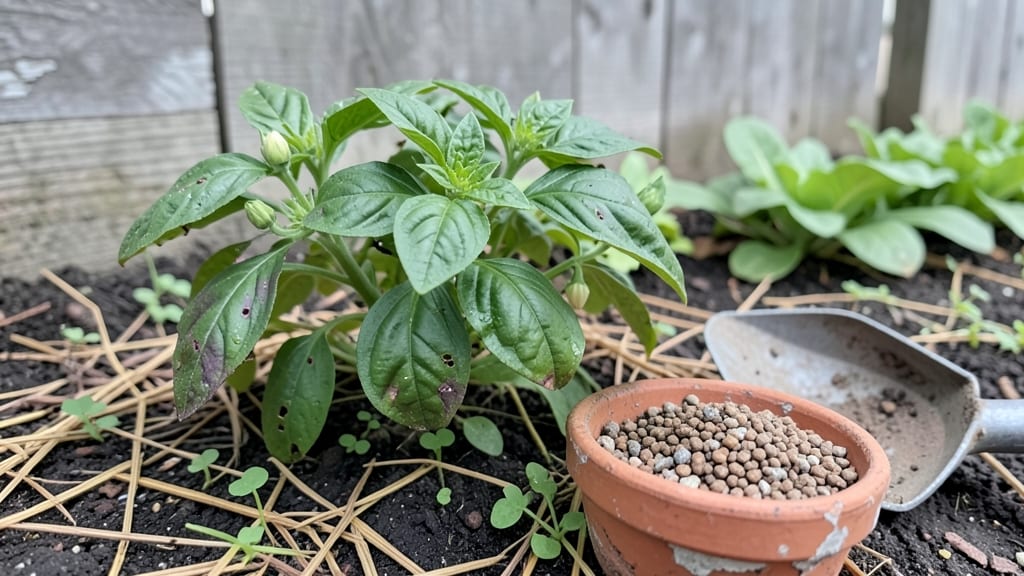
NPK plant food delivers the core nutrients—nitrogen (N), phosphorus (P), and potassium (K)—that directly impact plant health, from leafy growth to vibrant blooms and strong roots. The numerical ratio dictates whether your plants focus on foliage, flowering, or structural resilience, with balanced 10-10-10 blends ideal for general growth while targeted formulas like 5-10-10 push blooming performance.
Understanding NPK ratios is like giving your plants a customized meal plan—each number tells a specific story. Nitrogen fuels rapid leaf and stem growth, which is why leafy greens and lawns often thrive on higher-first-number blends like 3-1-2.
Meanwhile, phosphorus (the middle number) is the secret to root development and flower production, making it critical for tomatoes and roses, where you might see ratios like 10-20-20.
Potassium, the final number, acts as the plant's immune system booster, enhancing disease resistance and drought tolerance. 🌱 The magic happens when you match the ratio to your plants' current needs—too much nitrogen can lead to lush but weak growth, while insufficient phosphorus might leave your flowers struggling to open.
Here's where things get practical: soil tests are your best friend. Many gardeners assume their soil is balanced, but hidden deficiencies or excesses can sabotage even the most carefully chosen NPK blend.
For example, a vegetable garden might start with a 5-10-10 ratio in spring to encourage blooming, then switch to a higher nitrogen formula when harvest time approaches. Organic options like compost or bone meal provide these nutrients naturally, while synthetic fertilizers offer precise control.
The key is observing your plants—yellowing leaves often signal nitrogen needs, while weak stems or poor flowering point to phosphorus or potassium deficiencies.
💡 In This Article
- How NPK Ratios Influence Plant Development Stages
- Choosing the Right NPK Fertilizer for Your Garden Type
How NPK ratios influence plant development stages
Nitrogen (N) acts as the growth hormone for plants, directly fueling chlorophyll production and leaf expansion. When you see a lush, green lawn or rapid foliage growth, that's nitrogen at work—it can make up 1-5% of a plant's dry weight during active growth.
The catch? Too much nitrogen shifts energy away from root development and flowering, leaving plants vulnerable to pests and disease. Think of it like giving a child too much sugar—they might grow fast, but their overall health suffers without proper balance.
Phosphorus (P) plays a critical role in energy transfer within plant cells, particularly during root formation and flower development. A ratio with higher phosphorus, like 5-10-5, signals the plant to prioritize blooming and fruiting over leafy growth.
This is why tomato plants often respond dramatically to phosphorus-rich fertilizers—they'll produce more fruit clusters and stronger root systems to support them. Without enough phosphorus, you'll notice stunted growth, weak stems, and poor flower development, even if the leaves look healthy.
Potassium (K) acts like a plant's immune system and stress regulator, helping cells maintain proper water balance and resist diseases. A higher potassium ratio, such as 7-7-9, is ideal for plants facing environmental stressors like drought or extreme temperatures.
Potassium also plays a key role in photosynthesis and protein synthesis, which is why plants with sufficient potassium often have darker green leaves and better overall vigor. The visual difference is striking—plants deficient in potassium may show brown leaf edges or weakened stems, even when nitrogen levels appear adequate.
Here's where the science gets fascinating: plants don't just absorb these nutrients—they actively compete for them. Nitrogen is highly mobile in plants, so deficiencies first appear in older leaves, while phosphorus and potassium deficiencies show up in younger growth.
This mobility explains why a 10-10-10 blend works well for general garden use—it provides balanced support across all growth stages without overwhelming any particular function. For specialized needs, like 3-1-2 for lawns or 10-20-20 for flowering plants, the ratios directly influence which physiological processes get priority.
Let's look at real-world examples: Basil thrives with a 5-10-10 ratio because it's a heavy producer that needs both leaf growth and flowering support. On the other hand, blueberries prefer acidic soil with a 1-1-1 ratio to encourage berry production over excessive foliage.
The key is matching the ratio to your plant's natural growth patterns—what works for a vegetable garden won't necessarily suit ornamental flowers or fruit trees.
What most gardeners overlook is how soil conditions modify these ratios. Sandy soils drain nutrients quickly, requiring more frequent applications of balanced fertilizers, while clay soils may need higher potassium to prevent waterlogging stress.
The pH level also matters—acid-loving plants like azaleas need phosphorus in a more available form (like monocalcium phosphate) compared to neutral-soil plants. Understanding these interactions lets you fine-tune your approach beyond just the numbers on the fertilizer bag.
The bottom line? NPK ratios aren't just numbers—they're a language your plants understand at a cellular level. When you get the balance right, you'll see stronger stems, more vibrant blooms, and plants that can better withstand environmental challenges.
The secret is paying attention to what your plants are telling you through their growth patterns and adjusting accordingly. 🌿