My childhood backyard was a patchwork of wildflowers and my dad’s stubborn attempts at a vegetable garden—mostly weeds, but I pretended otherwise. That’s where my love of plants began, kneeling in the dirt and dreaming of greener thumbs. Here, I share the lessons I’ve learned from both successes and failures, so your garden can thrive without the guesswork.
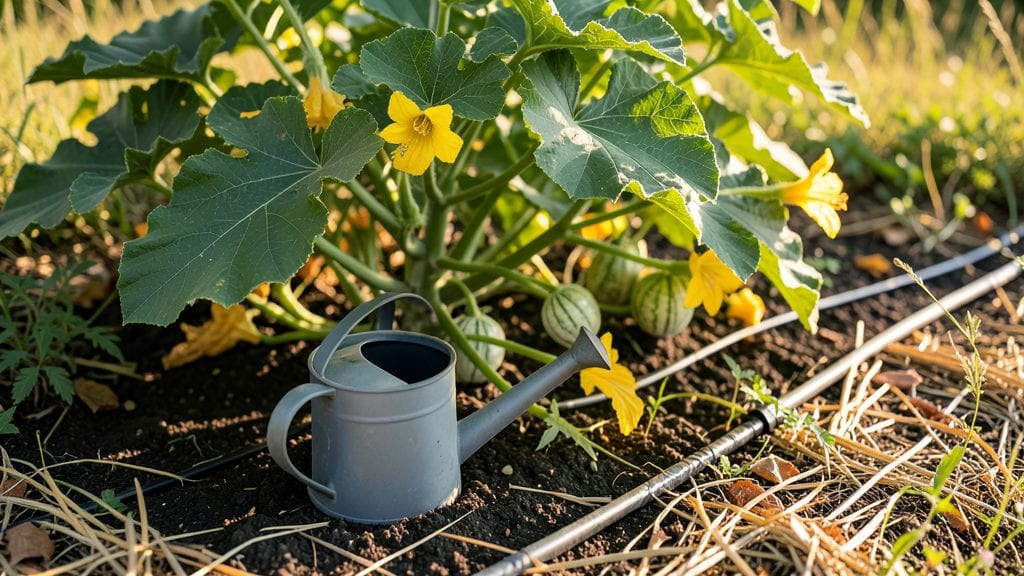
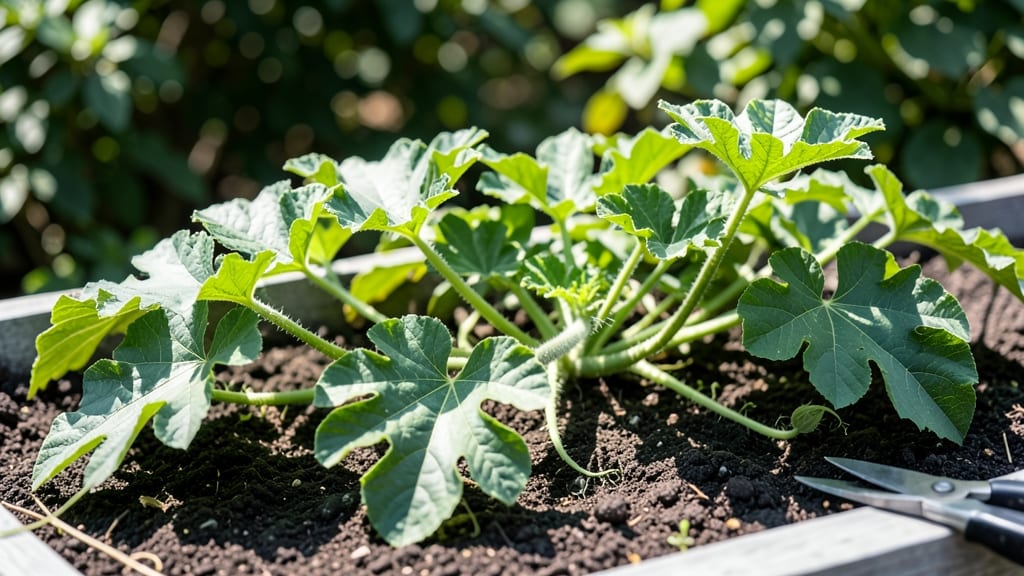
Watering squash plants is all about consistency—drench the soil until water runs out the bottom, then let it dry slightly before repeating. ✨ I learned the hard way that shallow watering leads to weak vines and bitter…
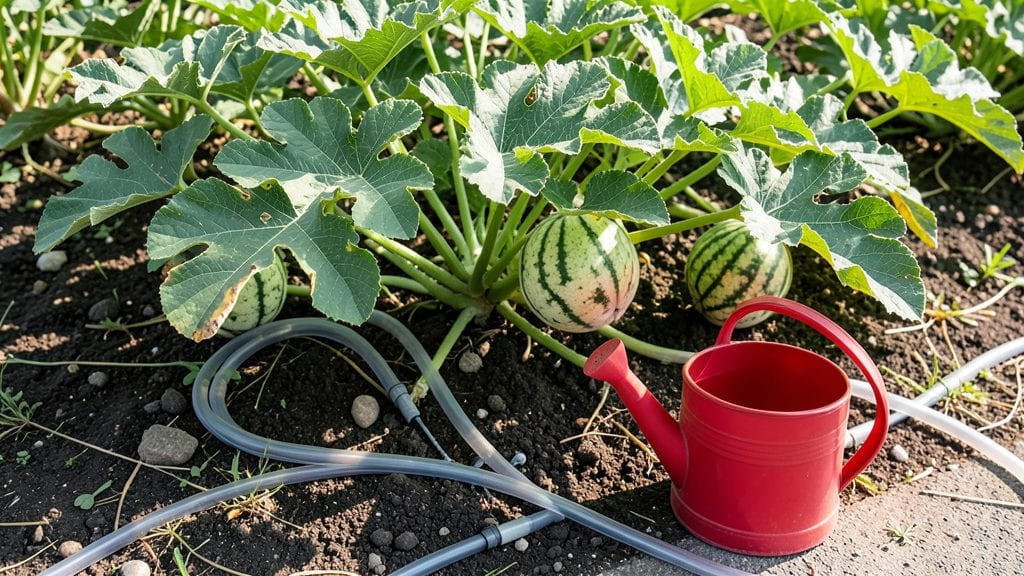
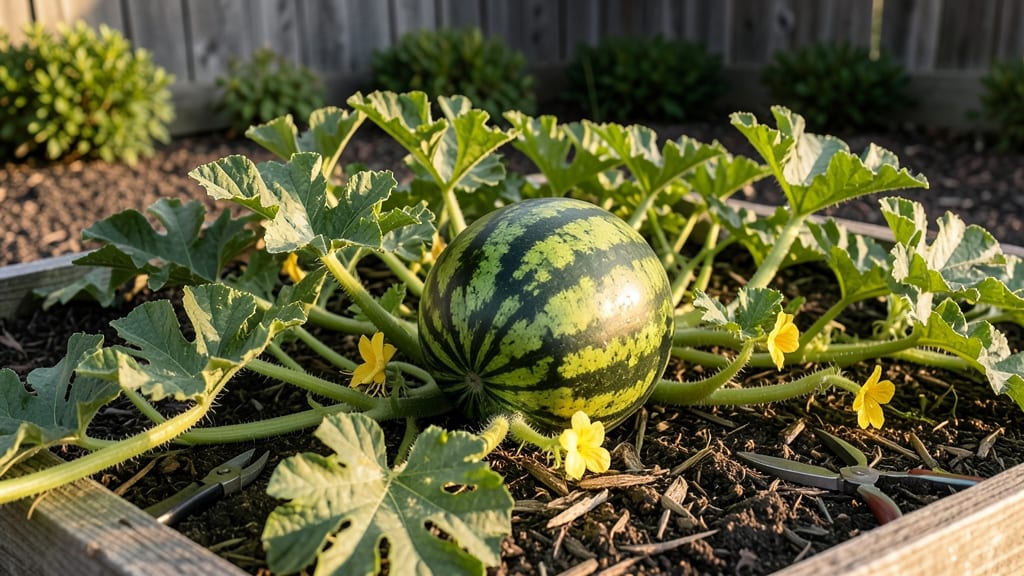
Watermelon plants need deep-soaked roots to grow those juicy fruits you crave—skimp on water, and you’ll end up with tough, seedy, or cracked melons. 🌱 I’ve learned the hard way that watermelons aren’t like other…
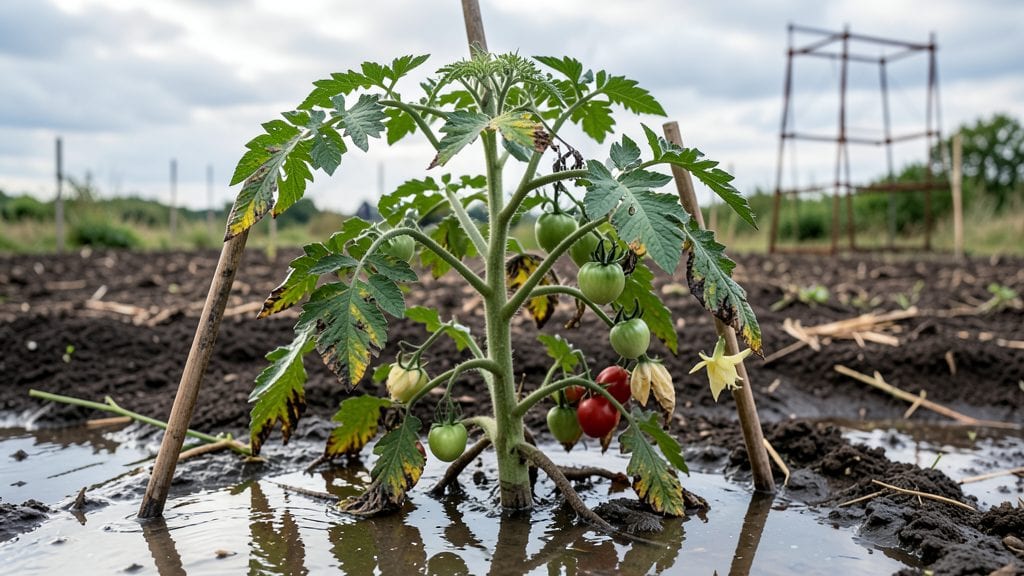
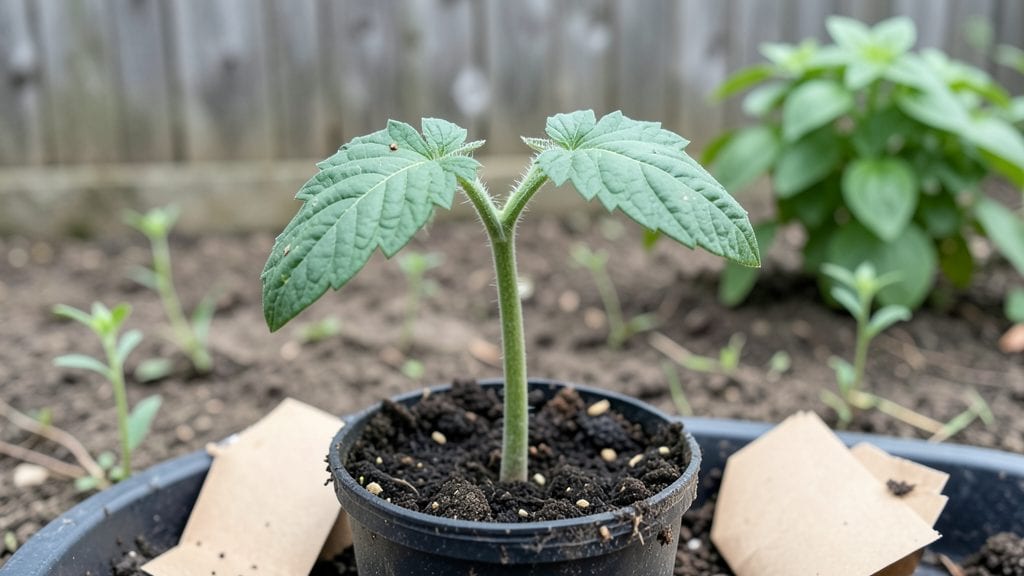
Waterlogged tomato plants can go from lush to limp in just a few days, and I’ve seen it happen more times than I’d like to admit. 🌱 The telltale signs—yellowing leaves, drooping stems, and that foul, soggy soil…
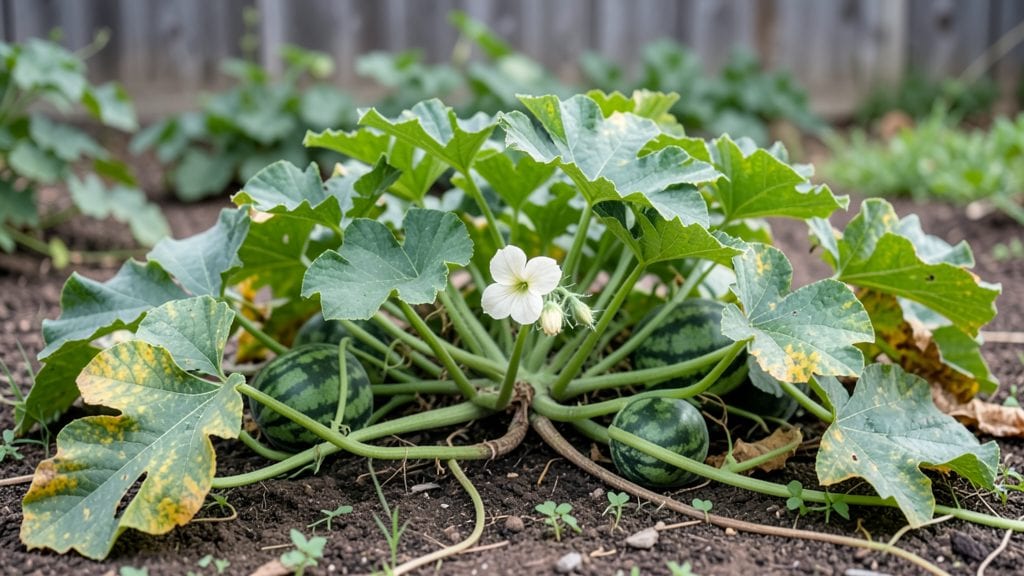
When your watermelon leaves turn yellow, it’s not just a cosmetic issue—it’s a cry for help from your plant. 🌱 I’ve seen this happen after a week of heavy rain or when gardeners accidentally overfeed their vines, and…
Nurturing a thriving watermelon plant seedling from seed can yield fast germination—sometimes in just 3-5 days—if you balance soil warmth and moisture just right. I remember my first try where I waited two weeks for…
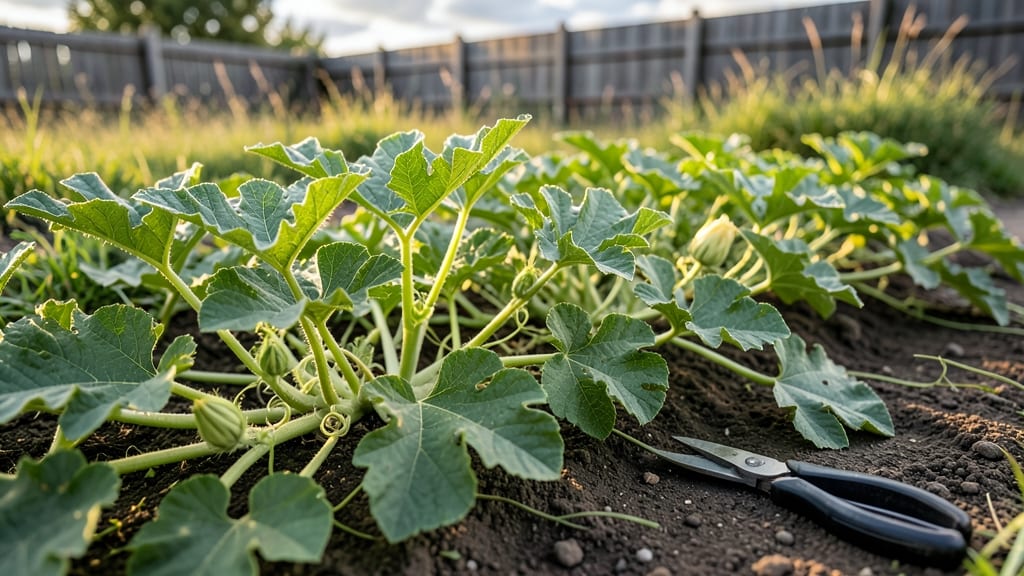
Understanding the watermelon plant size is the first step to avoiding a garden takeover by rampaging vines 🍉 — because those sprawling babies don’t just stop at your raised bed. Picture this: You plant three seeds in a…
Watermelon plant sprouting starts with the right prep—because those first few days decide whether you get a thriving vine or a sad, slow start. ✨ I’ve seen seeds take 10 days to crack open or sprout in just 3 days , and…
💥 Quick Answer Weather for seed planting depends on frost-free dates, soil warmth, and moisture levels—cool-season crops like lettuce thrive at 40–50°F, while warm-season seeds (tomatoes, peppers) need soil above 60°F…
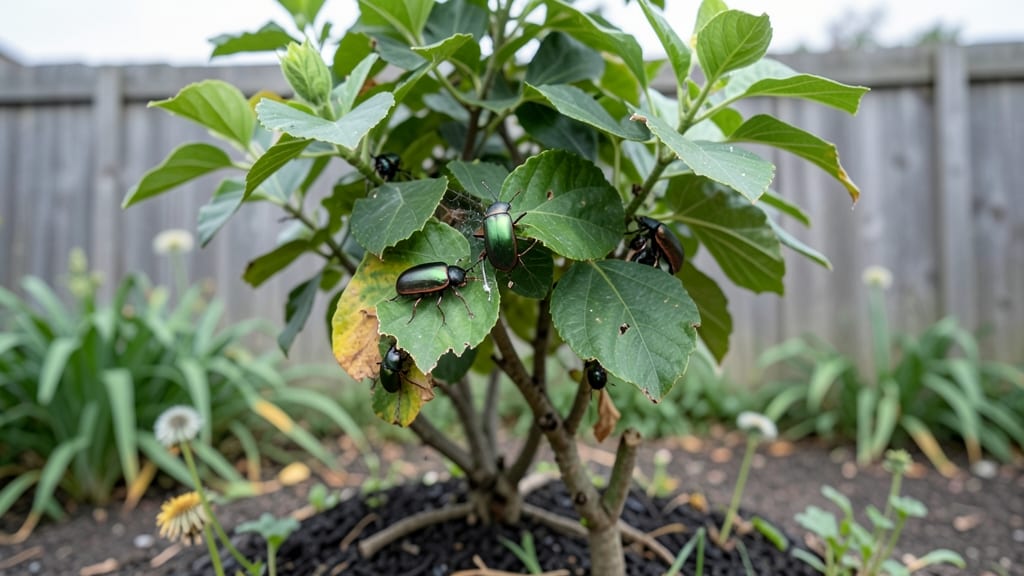
What eats hibiscus plants? 💥 Quick Answer: Deer, rabbits, aphids, spider mites, and caterpillars like the hibiscus looper commonly feast on them. These pests target leaves, sap, and foliage, which can severely damage or…
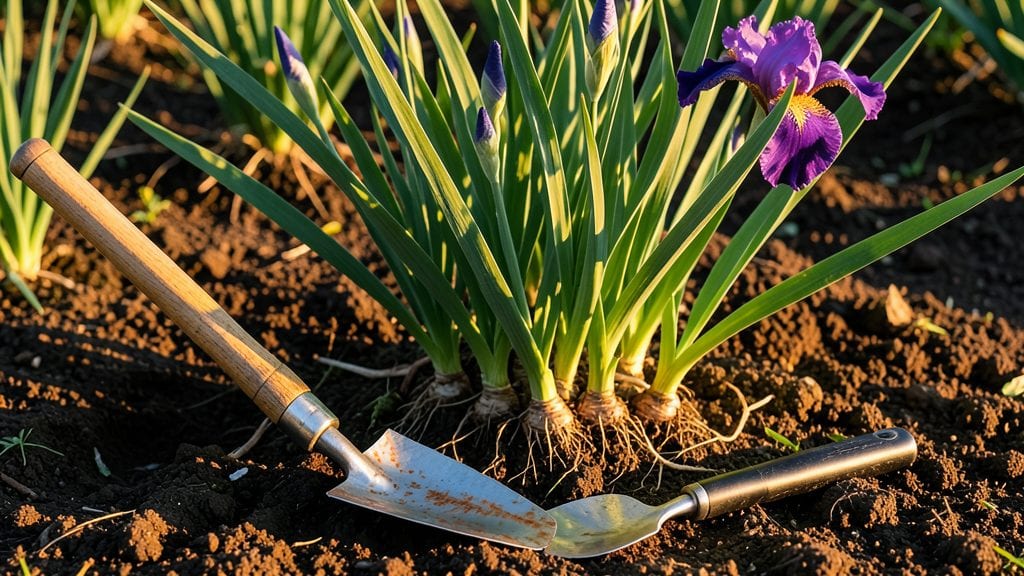
The best time to transplant iris plants is late summer, when roots establish firmly before frost sets in—giving them a 6-8 week head start to thrive. Transplanting iris plants at the wrong time can stunt their growth or…